What Happens to Your Junk After Removal? The Complete Journey From Pickup to Recycling and Reuse
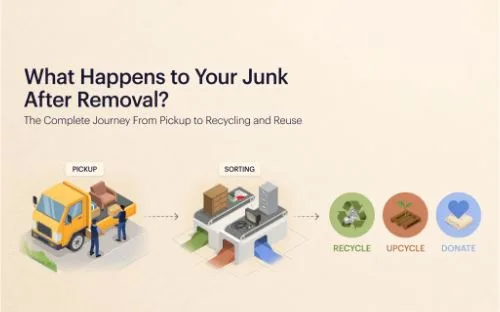
When junk is removed from your home or business, it usually does not go straight to a landfill. The journey often includes sorting, donation, recycling, resale, and responsible disposal. Professional junk removal services separate usable items from waste to reduce landfill impact and give furniture, appliances, and materials a second purpose.
What happens after junk is picked up?
After a junk removal team collects your unwanted items, the first step is sorting. Items are reviewed to determine whether they can be reused, recycled, donated, or safely disposed of.
The typical process includes:
- Collection and transportation
Items are loaded and transported to the appropriate facility. - Sorting and evaluation
Furniture, electronics, metals, wood, and other materials are separated. - Donation or resale
Usable items may go to charities, thrift stores, or resale programs. - Recycling
Materials such as metal, paper, plastic, and certain electronics are processed for reuse. - Final disposal
Items that cannot be recovered are sent to approved disposal facilities.
This approach helps prevent reusable materials from becoming unnecessary waste.
How does the junk removal process work?
The junk removal process starts before the truck arrives. Responsible companies usually evaluate the type of materials being removed and plan how each item should be handled.
For example, a household cleanout may include:
- Old couches and tables
- Mattresses
- Appliances
- Electronics
- Yard waste
- Construction debris
Each category requires a different disposal method. A broken metal appliance may be recycled, while a usable chair may be donated or resold.
Professional services that focus on sustainability, such as furniture removal, help make sure large household items are handled through more responsible channels instead of being automatically discarded.
Many homeowners choose eco-conscious providers that specialize in furniture removal to ensure unwanted items are sorted properly and have the best chance of being reused, donated, or recycled instead of ending up as unnecessary waste.
Where do old furniture and household items go?
Old furniture can follow several different paths depending on its condition.
Reuse and resale
Furniture that is still functional may be cleaned, repaired, and sold again. This extends the product’s lifespan and reduces demand for new manufacturing.
Examples include:
- Sofas with good frames
- Wooden tables
- Chairs
- Cabinets
- Shelving units
A piece of furniture that is unwanted by one person can still be useful to another household.
Donation programs
Many organizations accept gently used furniture and household goods. Donating items allows communities to access affordable products while reducing waste.
Before donating, items are usually checked for:
- Safety
- Cleanliness
- Usability
- Damage level
Not every item qualifies for donation, but many household goods still have value.
How does recycling reduce junk waste?
Recycling separates materials so they can become part of new products instead of being buried in landfills.
Common recyclable materials from junk removal include:
| Material | Possible reuse |
| Metal | New metal products |
| Cardboard | New paper products |
| Wood | Building materials or processed wood products |
| Electronics | Recovery of valuable components |
| Plastic | New plastic items |
According to the United States Environmental Protection Agency (EPA), recycling and reuse are important parts of reducing the amount of material sent to landfills. The EPA explains waste management practices through its resources on materials management and recycling.
Why is responsible junk disposal important?
Responsible junk disposal matters because many everyday items contain materials that can still be recovered.
Poor disposal can create problems such as:
- Increased landfill usage
- Lost recyclable materials
- Higher demand for new resources
- More unnecessary waste
A responsible removal process focuses on keeping items in circulation for as long as possible.
The idea connects with the circular economy, where products and materials are reused, repaired, recycled, and kept valuable instead of being treated as disposable.
What items cannot usually be recycled or reused?
Not every item has a recovery option. Some materials are difficult to process because they contain mixed components, contamination, or hazardous substances.
Common examples include:
- Severely damaged furniture
- Contaminated materials
- Certain chemicals
- Broken items made from mixed materials
In these cases, proper disposal is necessary to protect people and the environment.
What mistakes should you avoid before junk removal?
Many people make the mistake of mixing everything together before removal. This can make recycling and donation more difficult.
Better preparation includes:
- Separating important documents and personal items
- Removing hazardous materials
- Identifying electronics separately
- Cleaning reusable furniture when possible
- Checking local disposal rules
A little preparation helps more items find the correct destination.
How can you make junk removal more eco-friendly?
You can reduce waste before scheduling removal by asking a few questions:
- Can this item be repaired?
- Can someone else use it?
- Can the material be recycled?
- Is donation possible?
You can also choose removal providers that prioritize recycling and reuse instead of sending everything to disposal facilities.
For businesses managing large-scale cleanouts or relocation projects, creating efficient processes for waste handling can support long-term growth strategies, similar to approaches used to scale your business while improving operational efficiency.
What is the future of junk removal and recycling?
The future of junk removal is moving toward better resource recovery. Technology, improved recycling systems, and consumer awareness are helping communities manage unwanted items more efficiently.
Modern waste management focuses less on simply removing things and more on understanding where materials can go next.
The journey of your old furniture, appliances, and household items does not have to end at the landfill. With proper sorting and responsible handling, many items can be reused, recycled, or given a second life.