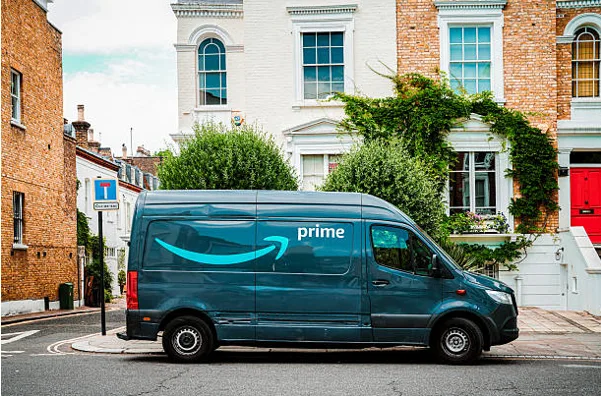
School zones are among the most sensitive areas on public roads because children, parents, teachers, and crossing guards share limited space with moving vehicles. Drivers must remain alert, obey posted speed limits, and watch for sudden movements from pedestrians and cyclists. When a delivery vehicle causes a collision in a school zone, the consequences can extend beyond vehicle damage, potentially resulting in serious injuries, legal disputes, and financial liability.
An Amazon van collision in a school zone can raise complicated questions about driver negligence, delivery company responsibility, and the rights of injured victims. The outcome depends on the circumstances of the crash, the driver’s actions, applicable traffic laws, and the available evidence. Understanding what happens after such an accident can help families and other affected individuals make informed decisions about their next steps.
Immediate Consequences of a School Zone Collision
The first priority following a collision is protecting anyone involved. Emergency services should be contacted when injuries occur, and injured children should receive prompt medical attention. If it is safe to do so, witnesses should remain available, and the incident should be reported to the appropriate authorities.
Police officers typically document the scene, interview witnesses, examine vehicle damage, and assess whether traffic violations contributed to the incident. Investigators may also review surveillance footage, school security cameras, dashcam recordings, and vehicle telematics. These details can help establish how the collision occurred and whether the driver failed to exercise reasonable care.
Determining Who Is Legally Responsible
Liability depends on the evidence and the laws governing the location where the accident happened. A driver who speeds through a school zone, ignores crossing signals, drives while distracted, or fails to yield to pedestrians may be found negligent. For example, under A.R.S. § 28-797, Arizona law requires drivers to stop under certain conditions at school crossings when a crossing guard signals them to stop, and violating this requirement may be relevant when determining liability after a collision. However, responsibility cannot be assumed solely because a delivery vehicle was involved.
The delivery company may also face liability depending on its relationship with the driver and the applicable law. Relevant questions include whether the driver was performing assigned duties, whether the company negligently hired or supervised the driver, and whether vehicle maintenance or delivery practices contributed to the crash. The company’s contractual arrangements alone do not automatically determine liability.
Injuries, Insurance, and Compensation
School zone collisions can cause injuries ranging from bruises and fractures to traumatic brain injuries and other life-changing conditions. Children may require ongoing medical treatment, rehabilitation, counseling, or educational support after a serious accident. Families should preserve medical records, treatment bills, photographs, and documentation of related expenses.
Insurance coverage may pay for eligible medical costs, property damage, lost income for injured adults, and other legally recoverable losses. The available compensation depends on the applicable insurance policies, the evidence, and the law. When a child is injured, special rules may govern settlements, limitation periods, and court approval.
What Victims and Families Should Do
After ensuring everyone’s immediate safety, victims or their guardians should obtain the police report, collect witness contact information, and preserve relevant photographs or recordings. They should seek medical evaluation even when symptoms initially appear minor, because some injuries develop gradually.
It is also important to avoid making unsupported statements about fault or accepting a settlement before understanding the full extent of the injuries. Consulting a qualified personal injury attorney can clarify potential claims, applicable deadlines, and the process for communicating with insurers. Families should also retain delivery details, including the vehicle identification and company information, whenever available.
Key Takeaways
- Safety comes first: Contact emergency services and obtain medical attention when necessary.
- Evidence matters: Police reports, witness statements, medical records, and video footage can help establish what happened.
- Liability varies: The driver, delivery company, or another party may bear responsibility, depending on the facts and applicable law.
- Compensation depends on the case: Insurance coverage and legal rules determine which losses may be recoverable.
- Prompt action helps: Preserve evidence and seek qualified legal guidance to understand deadlines and protect potential claims.