What Happens When You Ignore Minor Joint Pain for Too Long
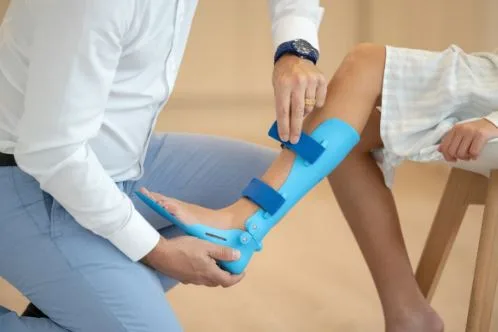
Minor joint pain is often easy to dismiss, especially when it comes and goes without disrupting daily life. Many people assume that discomfort will resolve on its own, but delaying proper evaluation can allow underlying issues to worsen over time. Seeking guidance from an orthopedic doctor in knoxville can help identify early warning signs, provide targeted treatment options, and prevent minor joint concerns from developing into more serious conditions that affect mobility and quality of life.
The Early Signs Are Often Overlooked
Joint pain typically begins as a mild ache or stiffness that appears after activity or long periods of rest. Because these symptoms are subtle, they are frequently ignored or managed with temporary solutions like rest or over-the-counter medication. This approach may reduce discomfort briefly, but it does not address the root cause of the issue.
Over time, the pain may become more noticeable and persistent, especially during routine movements such as walking, bending, or lifting. What was once an occasional inconvenience can gradually turn into a daily challenge. Ignoring these early signs allows small problems, such as inflammation or minor tissue damage, to progress without intervention.
How Minor Issues Can Develop Into Chronic Conditions
When joint pain is left untreated, the structures within the joint can begin to deteriorate. Cartilage may wear down, ligaments can weaken, and inflammation can become more severe. These changes often lead to chronic conditions such as arthritis, which can significantly impact long term joint health.
Chronic joint conditions are more difficult to manage than early-stage issues because they often involve permanent damage. Pain becomes more consistent, and mobility may be reduced as the joint loses its normal function. Addressing joint pain early can help slow or even prevent this progression, preserving both comfort and movement.
The Impact on Daily Life and Mobility
As joint pain worsens, it can begin to interfere with everyday activities that were once simple. Tasks like climbing stairs, carrying groceries, or even standing for extended periods may become uncomfortable or difficult. This can lead to reduced independence and a lower overall quality of life.
Limited mobility can also have a ripple effect on physical health. When people avoid movement due to pain, they may experience muscle weakness, reduced flexibility, and weight gain. These factors can place additional strain on the joints, creating a cycle that further exacerbates the problem.
Compensation Patterns and Secondary Injuries
One of the less obvious consequences of ignoring joint pain is the way the body compensates for discomfort. People often adjust their posture or movement patterns to avoid pain, even if they are not consciously aware of it. While this may provide short term relief, it can place additional stress on other parts of the body.
These compensation patterns can lead to secondary injuries in areas such as the hips, back, or opposite limb. For example, favoring one knee can increase strain on the other, potentially causing new pain or damage. Addressing the original issue early helps prevent these cascading effects and supports balanced movement.
When Conservative Treatments Become Less Effective
In the early stages of joint pain, conservative treatments such as physical therapy, rest, and targeted exercises can be highly effective. These approaches focus on strengthening the surrounding muscles, improving flexibility, and reducing inflammation. When implemented early, they can often resolve the issue without the need for more invasive interventions.
However, as the condition progresses, these treatments may become less effective on their own. More advanced cases may require injections, specialized procedures, or even surgery to restore function. This shift highlights the importance of early evaluation and intervention in maintaining joint health.
The Value of Early Diagnosis and Preventive Care
Early diagnosis plays a crucial role in managing joint pain and preventing long term complications. A thorough assessment can identify the underlying cause of discomfort, whether it is related to injury, overuse, or degenerative changes. With this information, a personalized treatment plan can be developed to address the specific needs of the patient.
Preventive care also empowers individuals to take an active role in their health. Education about proper movement, exercise techniques, and lifestyle adjustments can help reduce the risk of future issues. By addressing joint pain promptly, patients can maintain an active lifestyle and avoid the limitations that come with more advanced conditions.
Ignoring minor joint pain may seem harmless in the moment, but it can lead to significant consequences over time. What begins as a small discomfort can develop into chronic pain, reduced mobility, and a greater need for complex treatments. Taking early action not only protects joint health but also supports long term well being, allowing individuals to stay active, independent, and comfortable in their daily lives.