
What Homebuyers Should Look for When Choosing a New Community
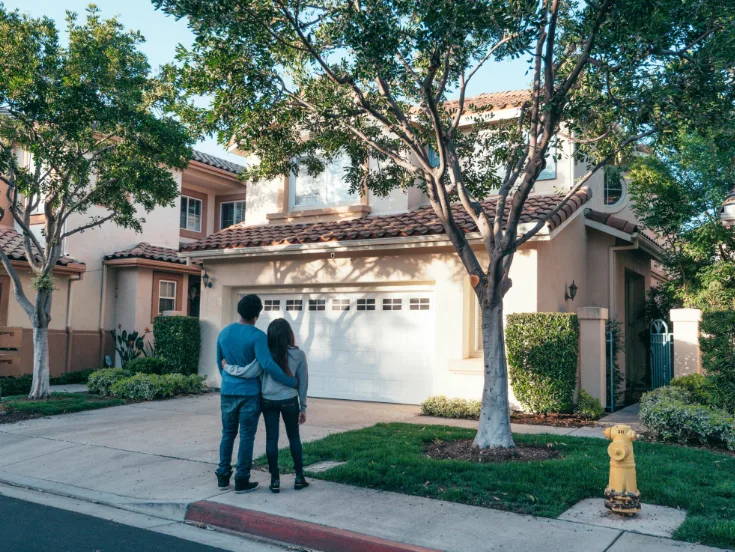
Here’s something many new buyers don’t realize (or realize too late): a neighborhood matters just as much as a house. In fact, sometimes it matters even more.
You can change almost anything about a property itself: knock down a wall, replace the kitchen, add a deck, and more. But you can’t change the road outside, the distance to the nearest grocery store, or neighbors who seem to treat 10 p.m. as an appropriate time to mow the lawn.
So yes, the community deserves serious attention before you buy. A house might tick every box on your wish list, but if the location makes everyday life harder, you’ll probably regret the decision.
Start With Your Daily Routine
If you see a sales pitch about a “convenient location”, ask yourself: convenient for whom? Because you don’t need theoretical convenience; you need a setup that works for your actual everyday routine.
So, check the practical things: measure your commute time to work, schools, grocery stores, medical facilities, and any other places you visit regularly. If you can, do the drive during rush hour, not just when the roads are empty.
Also, pay attention to the less obvious features: sidewalks, street lighting, pedestrian crossings, public transportation, and access to major roads. A neighborhood might have beautiful homes but still require you to drive everywhere, even if all you want is somewhere nearby to take an evening walk.
Look Beyond the Amenities List
Pools, fitness centers, playgrounds, walking trails, and clubhouses can make a community more appealing. However, don’t judge amenities by their number alone. Instead, think about which facilities you’ll actually use and whether they’re accessible, well-maintained, and worth the associated costs.
For example, a neighborhood with walking trails and green spaces might suit you better than one with an impressive clubhouse you’ll visit twice a year. If you have or plan to start a family, playgrounds and recreational areas will likely take priority.
Before committing, remember to ask who maintains these shared spaces and how much they cost. Are amenities already available, or are they promised for a later development phase? Also ask who pays for repairs when the pool needs work, or the playground equipment gets old.
Find a Community That Fits Your Lifestyle
At the same time, keep in mind that the right community doesn’t have to offer everything. It just needs to make your everyday life easier, fit your budget, and offer room for your needs to change.
If you’re comparing different developments, take the time to find your ideal new community by looking at actual locations, available home styles, and amenities rather than relying on sales brochures alone. If possible, visit on a weekday evening and again on a weekend.
Notice traffic, noise, parking, and how residents use shared spaces. If you get the chance, ask a few homeowners what they like about the neighborhood and what they wish they’d known before moving in.
Read the HOA Rules Before You Commit
Homeowners associations (HOAs) can make neighborhood management easier, but they also come with rules and recurring expenses. You don’t want to wait until closing to discover that, for example, your preferred fence isn’t allowed or that parking your work vehicle in the driveway violates community regulations.
Make sure to request the HOA documents and check the fees, pet policies, rental restrictions, exterior modification rules, and maintenance responsibilities. Pay attention to special assessments, too. These are additional charges that associations can levy when regular funds aren’t enough to cover major expenses.
Also, ask about the association’s financial reserves and how it handles maintenance. A low monthly fee isn’t necessarily a bargain if the community has postponed necessary repairs. Also, HOA dues are usually separate from your mortgage payment, so make sure they’re included in your monthly housing budget.
Find Out What’s Coming Next
This is important when you buy in a newly developed community because the neighborhood you see during your visit might be only half-finished. So ask the developer for the master plan and projected construction schedule.
Find out how many homes are planned, which phases are complete, and whether the developer has outlined plans for additional amenities or commercial space. For instance, are shopping areas, parks, additional roads, or community facilities part of future phases?
Check municipal planning and zoning records independently as well. A proposed commercial development might bring useful services, but a new major road could mean more traffic than you expected.
Flood risk deserves a separate check. Use FEMA’s Flood Map Service Center to check the property’s mapped flood zone, but don’t treat a location outside a high-risk zone as a guarantee against flooding. Ask about local drainage and investigate whether the area has a history of flooding.
Consider Schools and Safety
School district boundaries are not always as straightforward as buyers assume. The nearest school isn’t necessarily the one assigned to your address, and boundaries can change. So verify assignments directly with the school district and look beyond online ratings to class sizes, programs, and transportation options.
For safety, check local crime statistics and look at trends rather than relying on a single neighborhood score. Visit after dark, pay attention to street lighting, and see how well public areas are maintained.
And healthcare access matters even if you’re currently healthy. Check the distance to hospitals, urgent care centers, pharmacies, and primary care providers. A 30-minute drive might not bother you today, but it could become a bigger issue later.
Calculate the Real Cost of Living There
Keep in mind that the purchase price is only part of the equation. Property taxes, homeowners insurance, HOA fees, utilities, commuting costs, and ongoing maintenance all affect what you can comfortably afford.
Look at comparable sales in the community and nearby neighborhoods. Check how long homes typically stay on the market and whether similar properties have sold consistently. Nobody can promise future appreciation, but local sales history gives you a more realistic starting point than a builder’s optimistic projections.
Lastly, think about how your needs might evolve over time. A home that works for a couple today might not work as well when children arrive, someone starts working from home, or you need easier access to healthcare.