What Influences Pearl Value: Size, Type, Luster, and More Explained
Let’s be honest. Pearl shopping can feel a bit mysterious. You see two necklaces. They both look beautiful. But one might cost five times as much as the other. It leaves you scratching your head.
You might start wondering, how much do pearls cost anyway, and why such a wild range? The truth is, it’s a bit like buying a diamond. Many hidden details decide the final price tag. It’s not just about size. It’s about a whole checklist of quality factors.
The good news is you don’t need a huge budget. Knowing what to look for is your biggest advantage. This is where trusted sources help. Pearls of Joy offers high-quality pearls at prices below traditional jewelry stores, often because they work directly with the source. Understanding value helps you spot a deal like that.
The First Glance: Luster is King
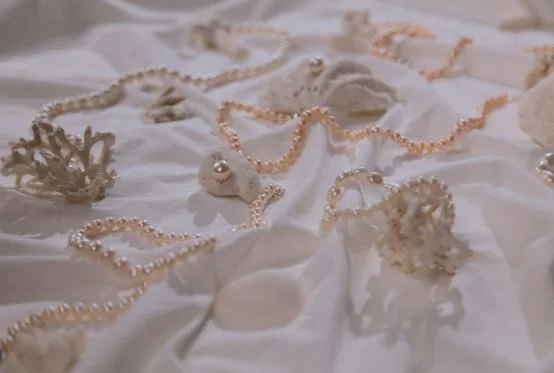
Forget size for a second. The most important thing is the glow. Luster. It’s what makes a pearl a pearl. Luster is that magical, deep shine. It’s the mirror-like reflection on the surface. High-luster pearls look like they have a light inside. You can see your own reflection clearly.
Low-luster pearls look chalky or dull. They seem flat. Amazing luster makes any pearl, big or small, look expensive. It’s the heart and soul of the gem. Always look at luster first. It’s the biggest clue to overall quality.
The Surface Tells a Story
No pearl is perfectly flawless. They are gifts from nature. But the surface should be mostly clean. Look for spots, bumps, or wrinkles. These are called blemishes. A few tiny marks are normal. They are like a fingerprint. But too many obvious blemishes lower the value. They distract the eye from the pearl’s beauty.
A clean, smooth surface is much rarer. It requires perfect conditions to grow. That rarity increases the price. Run your finger over it. The surface should feel beautifully smooth, not gritty or rough.
The Shape of Things
Perfectly round pearls are the most famous. They are also the hardest to cultivate. That makes them the most valuable shape. But “perfectly round” is a high bar. Many rounds are near-round. Your eye might not see the difference.
Then you have other wonderful shapes. Baroque pearls are totally free-form. They are wild and artistic. Button pearls are flattened. Drop pearls are teardrop-shaped. These are often more affordable. Their value comes from their unique, organic beauty. Love something different? A baroque pearl might be your perfect match.
Size Matters, but It’s Not Everything
Yes, bigger pearls usually cost more. It takes a much longer time to grow a large pearl. The oyster risks more. The chance of something going wrong increases. But a big, dull pearl is less valuable than a small, brilliant one.
Size should be your last consideration. Pair it with luster and surface quality. A 6mm pearl with amazing shine can look richer than a 9mm pearl with a dull surface. Think of size as the exclamation point, not the whole sentence.
The Type and Origin Story
This is where things get interesting. Different oysters create different pearls. Freshwater pearls come from mussels. They are abundant and offer incredible value. You can get a gorgeous strand without a crazy budget. Akoya pearls are the classic. They come from Japan. They are known for that stunning, mirror-like luster and perfect roundness.
Tahitian pearls are not white! They are the dark, exotic beauties. Their colors are silvery, peacock green, and eggplant. South Sea pearls are the queens. They are large, satiny, and incredibly rare. They grow in gold and white shades. Each type lives in its own price neighborhood.
The Color Conversation
Color is mostly about personal taste. For white pearls, you want a pure, bright white. Maybe a soft rose overtone. A creamy color is lovely too. For exotic pearls, the color intensity matters.
A Tahitian pearl with a strong peacock green shimmer is more prized than a flat gray one. Unusual, vibrant colors in any pearl type can boost the value. But color should make your heart sing. There’s no best color, only the best color for you.
Putting It All Together
So next time you shop, you’ll know. Look for that incredible glow first. Check the surface. Admire the shape. Then note the size. Ask about the type. The magic is in the combination.
A medium-sized Akoya with perfect luster might be your holy grail. A large, dramatic baroque South Sea pearl could be a showstopper.
Now you know what you’re paying for. You’re not just buying a white bead. You’re investing in a natural work of art. Its story is written in its luster, its surface, and its unique form. That knowledge is pure power.