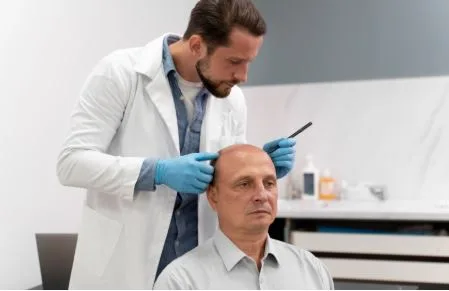
What International Patients Should Know Before Visiting Hair Clinics in Turkey
Traveling abroad for a medical procedure is a decision that combines hope with a natural degree of hesitation. In 2026, Turkey remains the global epicenter for hair restoration, but the landscape has become more sophisticated, regulated, and detailed than ever before. For an international patient, success isn’t just about the surgery itself; it is about the preparation, the legal protections, and the logistical choices made weeks before landing in Istanbul.
If you are planning your journey, here is an exhaustive guide on everything you need to know to ensure your experience is safe, smooth, and transformative.
1. The Pre-Arrival Phase: Virtual Consultations and Vetting
The journey begins in your living room. In 2026, the “Standard of Care” starts with a comprehensive digital evaluation. You should never book a flight without a clear, written preliminary plan.
Scientific Graft Assessment
Reputable clinics will ask for high-resolution photos of your front, top, sides, and—most importantly—your donor area (the back of the head). A red flag in 2026 is any clinic that promises “unlimited grafts” without seeing your donor density. The donor area is a finite resource; over-harvesting can lead to permanent thinning. At Turkey Hair Center, our specialists focus on “Donor Management,” ensuring we leave enough hair for natural-looking coverage while protecting your scalp’s future health.
Medical History and Eligibility
A hair transplant is a minor surgical procedure, but it still requires medical clearance. You must disclose:
- Use of blood thinners or aspirin.
- Chronic conditions like diabetes or hypertension.
- Scalp conditions like alopecia areata (which cannot be treated with a transplant).
- Your age; patients under 23 are often advised to wait until their hair loss pattern stabilizes.
2. Navigating the 2026 Legal Landscape: Licenses and Rights
Turkey has drastically tightened its medical tourism laws to eliminate “black market” clinics. As a patient, you have specific legal rights that you must verify.
Mandatory Health Tourism Authorization
Every clinic and intermediary agency must hold an official “International Health Tourism Authorization Certificate” issued by the Turkish Ministry of Health. In 2026, it is illegal for a clinic to treat foreign patients without this. Always ask for their license number and cross-reference it on the official government portal (USHAŞ).
Mandatory Complication Insurance
A significant update for 2026 is the requirement for Mandatory Complication Insurance for all international surgical patients. This specialized insurance covers:
- Emergency medical costs if a complication arises.
- The cost of a revision surgery if medically necessary.
- Travel and accommodation if you need to return to Turkey for follow-up care.
Ensure your package includes this insurance; it provides a vital safety net that standard travel insurance usually lacks.
3. Choosing the Right Technique for Your Hair Type
Turkey leads the world in technique variety. Understanding the difference between Sapphire FUE and DHI (Direct Hair Implantation) is crucial for setting expectations.
| Feature | Sapphire FUE | DHI (Choi Pen) |
| Ideal For | Large areas / Maximum graft count | High density / Hairline refinement |
| Shaving | Usually requires a full head shave | Can often be done with “No-Shave” |
| Incision | V-shaped sapphire blades | No pre-channels (Direct insertion) |
| Recovery | 7–10 days for scabs to clear | 3–5 days for initial redness |
Choosing the right method depends on your Norwood scale (degree of baldness) and your budget. During your consultation with Turkey Hair Center, we help determine which method aligns with your specific hair texture and desired density.
4. Logistics: Flights, Visas, and VIP Transfers
One of the reasons Turkey is so popular is the “All-Inclusive” model. However, the details of these packages vary.
Flight Arrangements
Most patients fly into Istanbul Airport (IST) or Sabiha Gökçen (SAW).
- Pro Tip: Book your flight to arrive at least 24 hours before your surgery. This allows your body to recover from “flight bloat” and ensures your blood pressure is stable for the procedure.
- Visas: Most nationalities can obtain an e-Visa online in minutes. Check the official Republic of Türkiye e-Visa website.
The VIP Experience
A standard package should include a private driver. Upon arrival, you will be met at the airport and taken to a 4- or 5-star hotel. In 2026, top clinics ensure their partner hotels are within a 10-minute radius of the medical center to minimize travel fatigue on the day of surgery.
5. The “Golden Rules” of Pre-Op Preparation
To ensure the best graft survival rate, you must follow strict protocols in the 7 days leading up to your trip:
- Stop Smoking: Nicotine constricts blood vessels, reducing the oxygen supply to the newly implanted follicles.
- Avoid Alcohol: Alcohol thins the blood and can increase bleeding during the extraction phase.
- No Caffeine on Surgery Day: Caffeine can increase your heart rate and make you restless during the 6–8 hour procedure.
- The “Button-Up” Rule: Pack shirts that button or zip up. You must never pull a t-shirt over your head for the first 10 days, as this can catch and rip out the new grafts.
6. What Happens on Surgery Day?
A hair transplant is a marathon, not a sprint. The process usually takes 6 to 8 hours and follows these stages:
- Consultation & Hairline Design: This is the most critical step. The doctor will draw your new hairline based on your facial muscles and aging process.
- Local Anesthesia: Most clinics now use “needle-free” anesthesia, which uses high-pressure air to numb the scalp, significantly reducing discomfort.
- Extraction: Individual follicles are harvested from the donor area.
- Implantation: The surgeon (or a highly trained team under direct supervision) places the grafts into the thinning areas.
- Lunch Break: You will be provided with a meal; the procedure is broken into segments to keep you comfortable.
- Post-Op: The First 72 Hours
The success of your transplant is 50% surgery and 50% aftercare. The first three days are the “danger zone” for graft displacement.
- Sleeping Position: You must sleep at a 45-degree angle using a travel/neck pillow. This prevents your head from rubbing against the pillow and reduces forehead swelling.
- The First Wash: Never wash your own hair for the first time. You will return to the clinic 24–48 hours after surgery for a professional wash and a demonstration on how to do it gently at home.
- Swelling: It is normal for some fluid to move down toward your forehead and eyes on day 3. Drinking 3 liters of water a day helps flush this out.
8. The Long-Term Recovery Timeline
Understanding the timeline prevents “Post-Op Panic.”
- Weeks 2–4 (The “Ugly Duckling” Phase): Most of the transplanted hair will fall out. Do not panic. The follicle remains under the skin; only the hair shaft is shedding.
- Months 3–4: Tiny, thin hairs begin to sprout.
- Months 6–9: Significant change in density and coverage.
- Months 12–15: The final result is achieved.
Making an Informed Choice
Turkey remains the world leader because it offers a level of specialization that is hard to find elsewhere. However, being an informed patient is your best defense against a poor result. By choosing a licensed, transparent, and patient-focused facility, you are investing in a version of yourself that feels confident and rejuvenated.
At Turkey Hair Center, we take pride in guiding our international patients through every micro-step of this journey, ensuring that your trip to Turkey is remembered for the quality of your results and the excellence of your care.