
What Is a Digital Binder and Why It Matters for Environmental and Data Protection
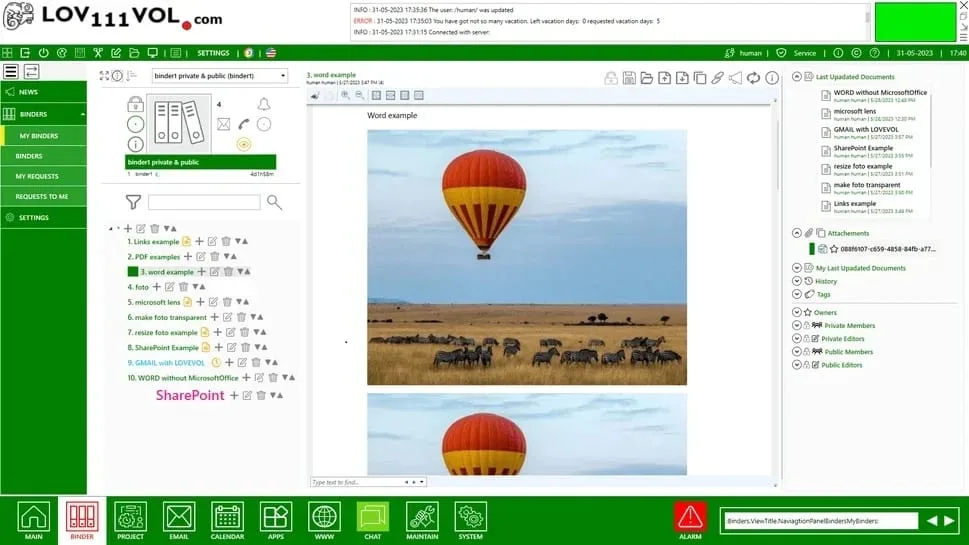
As governments, non-profit organizations, and private institutions accelerate their transition to digital workflows, document management has emerged as both an environmental and data protection issue. Paper-based archives consume large amounts of natural resources, require physical storage, and depend on duplication to ensure continuity. At the same time, cloud-first digital systems often increase exposure by distributing sensitive information across multiple platforms.
Against this backdrop, digital binders are increasingly viewed as a practical response-offering structured document management while addressing sustainability concerns and reducing unnecessary data exposure.
From Paper Archives to Structured Digital Records
A digital binder is a system designed to organize and store documents in a structured digital format, mirroring the logic of a traditional physical binder. Documents are grouped into clearly defined sections and categories, allowing organizations to manage contracts, compliance records, certificates, and identification files without relying on paper.
Unlike basic cloud folders, digital binder systems are built around intentional structure and controlled access. From an environmental perspective, this approach reduces the need for printing, physical storage, and document transportation-factors that collectively contribute to the administrative carbon footprint of institutions.
Reducing Duplication in Digital Storage
One of the overlooked challenges of digital transformation is data duplication. Many organizations store documents locally while simultaneously synchronizing them with cloud platforms. While redundancy is often justified as a security measure, it also multiplies the number of locations where sensitive information exists.
Digital binders that prioritize local storage provide an alternative. Documents remain in a single encrypted environment and are only shared externally when users explicitly choose to do so. By avoiding automatic duplication, this model reduces the overall attack surface and aligns with data protection principles such as data minimization and proportionality.
Security by Design
Security is central to responsible document management. Modern digital binder architectures typically integrate encryption directly into the system rather than treating it as an optional add-on.
Stored documents are commonly protected using Advanced Encryption Standard (AES), combined with private and public key mechanisms. This ensures that information remains encrypted at rest and accessible only to authorized users. By keeping encryption and key control within the organization, digital binders support stronger accountability-particularly in sectors handling personal, legal, or sensitive records.
Environmental Impact Beyond Paper Reduction
The environmental benefits of digital binders extend beyond eliminating paper. Systems that operate without continuous cloud synchronization reduce reliance on energy-intensive data centers and unnecessary data transfers.
For organizations seeking to reduce their digital carbon footprint, minimizing infrastructure requirements and avoiding constant synchronization can be as important as cutting physical waste. Digital binders designed for rapid deployment and local operation support this approach by limiting long-term resource consumption.
Use in Public Institutions and Civil Society
Digital binders are increasingly relevant in public administration, non-governmental organizations, and compliance-driven environments. They are used in onboarding processes, internal audits, certification management, and long-term record keeping-contexts where traceability, clarity, and controlled access are essential.
In regions where internet connectivity is unreliable or restricted, offline-capable digital binders allow institutions to maintain consistent document structures without dependence on permanent network access. This flexibility supports inclusive digital practices while maintaining security standards.
Portable and Offline Implementations
In addition to software-based solutions, portable digital binders-such as encrypted USB-based systems- continue to play a role in high-security or restricted environments. These implementations allow users to retain physical control over their data while applying the same principles of encryption and structured organization.
Although the format differs from cloud platforms, the objective remains the same: reducing fragmentation while maintaining transparency and control.
A Targeted Approach to Digital Organization
Digital binders are not intended to replace all forms of document storage. Instead, they represent a focused approach to managing critical records-balancing accessibility, environmental responsibility, and data protection.
As digital workflows grow more complex, tools that emphasize structure over accumulation are becoming increasingly important. Digital binders reflect this shift by prioritizing clarity, reduced duplication, and user-controlled access.
Conclusion
The growing adoption of digital binders reflects changing expectations around how information should be managed in a digital-first world. By reducing reliance on paper, limiting unnecessary data duplication, and embedding strong encryption into document management, digital binders address both environmental and data protection challenges.
For institutions seeking to modernize responsibly, digital binders offer a model that aligns sustainability goals with secure and transparent information handling.