What Is a Short-Term Mission Trip and How Does Thirst Missions Ensure Real Impact?
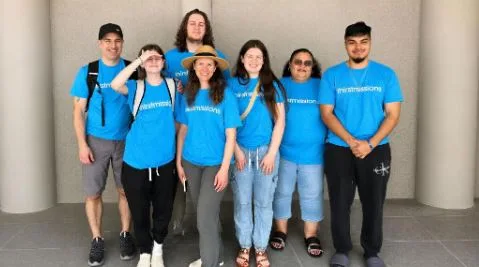
A short-term mission trip offers individuals and groups an opportunity to serve communities, grow in their faith, and experience a different culture while making a meaningful contribution. However, not all mission trips are created equal, and many leaders want to ensure their efforts lead to lasting benefits for the communities they visit.
Thirst Missions specializes in planning and leading faith-based mission experiences designed to be impactful for both participants and local partners. In this article, we’ll explore what a short-term mission trip is and how Thirst Missions works to create genuine, sustainable impact.
What Is a Short-Term Mission Trip?
A short-term mission trip is essentially a volunteer travel program focused on service and faith-based outreach, usually lasting anywhere from a few days to a couple of weeks. Groups travel to communities, both at home and abroad, to support local efforts in areas like construction, children’s ministry, evangelism, or medical aid.
In recent years, though, the term has drawn some skepticism. People are asking valid questions about the long-term benefits, wondering if these trips create dependency or focus on projects that aren’t actually a priority for the host community.
But the best organizations are redefining this model. Rather than treating a trip as a one-time event, groups like Thirst Missions see it as one piece of a much larger, year-round partnership.
The goal shifts from simply completing a task to supporting and empowering local churches and leaders who carry on the work long after the visiting team goes home. It transforms a short visit into a sustainable, long-term commitment to a community’s health and future.
How Do You Ensure a Mission Trip Has Real, Long-Term Impact?
Any group leader planning a trip wants to know their team’s time, money, and effort will create lasting, positive change. The line between helpful service and well-intentioned but unhelpful “voluntourism” can be surprisingly thin, and the difference often lies in an organization’s core philosophy.
Thirst Missions built its entire model to address this very concern, centering everything on long-term local partnerships. They don’t decide what a community needs from an office thousands of miles away. Instead, they work directly with local pastors and leaders on the ground who identify the most crucial projects.
This approach guarantees that the work done by visiting teams is genuinely needed and supports an ongoing local strategy. To make sure everything runs smoothly, every trip is guided by experienced Thirst Missions staff members who either live in the community or have deep ties to it.
They handle cultural interpretation and logistics, ensuring the group’s efforts align perfectly with the local partner’s vision and avoiding the common pitfalls of misaligned goals.
What Makes Thirst Missions Different From Other Mission Organizations?
For any group leader, the planning phase can be daunting. It’s hard to compare mission trip organizations when so many of them make similar claims. But when you look closer at how they actually operate, you start to see key differences that affect the experience for everyone involved, from the volunteers to the host community.
Here are a few things that make Thirst Missions stand out:
- Group Structure: While many organizations combine smaller groups from different churches to fill a trip, Thirst Missions offers customizable trips for groups of 10 or more. This allows your team to build on its own unique dynamic and focus on its spiritual goals without being mixed with strangers.
- Logistical Burden: Planning a group trip can be overwhelming. Thirst Missions provides an all-inclusive service, handling all food, lodging, ministry supplies, ground transportation, and even translators. This frees the group leader to focus on what matters most: preparing their team spiritually and emotionally.
- Ministry Flexibility: A one-size-fits-all project doesn’t work for every group. Thirst Missions offers over 14 distinct ministry options, so leaders can tailor the experience to their team’s specific skills and passions, whether that’s construction, sports ministry, or working with children.
- On-Site Support: Lack of on-the-ground support can derail a trip. Having dedicated Thirst Missions staff members present at all times provides a level of safety and guidance that isn’t standard in the industry.
How Much Does a Youth Group Mission Trip Cost?
For any youth group mission trip, cost is a major factor. But the sticker price rarely tells the whole story. Real value comes from transparency and knowing exactly what’s included.
Hidden costs for things like food, local transport, or ministry supplies can quickly derail a budget and add a lot of stress for the group leader. An all-inclusive model brings clarity and peace of mind.
Thirst Missions uses a tiered, per-person pricing structure that covers nearly every expense after you arrive in the country. The price includes:
- All lodging and meals for the duration of the trip.
- All in-country transportation.
- All ministry project supplies and logistical coordination.
- Experienced staff guidance and support 24/7.
A Closer Look at the Growing Demand for Meaningful Travel
The explosive growth in faith-based travel isn’t just about numbers; it’s about a cultural shift. More and more, people want experiences that offer something deeper than relaxation. This is especially true for high school students and young adults.
This is where organizations like Thirst Missions, which has led over 1,000 trips for more than 15,000 people since 2008, come in. Their strong reputation, backed by hundreds of online reviews and BBB Accreditation, shows they are providing the kind of structured, safe, and impactful volunteer travel that meets this growing desire for purpose.
Who Should Choose Thirst Missions?
Thirst Missions is built for a specific kind of group leader. It might be the right fit for you if you are:
- A pastor, youth minister, or Christian school administrator planning a trip for a group of 10 or more people.
- A leader who wants to focus on discipling your team members instead of spending hundreds of hours coordinating logistics.
- A group seeking a customizable experience that aligns with your specific skills and spiritual goals, whether in places like Puerto Rico, Guatemala, Alaska, or Appalachia.
- Someone who places a high value on safety and professional guidance, with the assurance of experienced staff present throughout the trip.
Wrapping Up
The future of faith-based travel is all about authenticity and sustainable impact. The old model of just showing up to paint a wall is giving way to a desire for genuine relationships and meaningful contributions to long-term, locally-led work.
As this shift continues, the organizations that prioritize deep partnerships, logistical excellence, and the spiritual growth of their teams will be the ones that truly help both communities and their volunteers thrive.