What Is an ARO Pump Malaysia and How Does It Work?
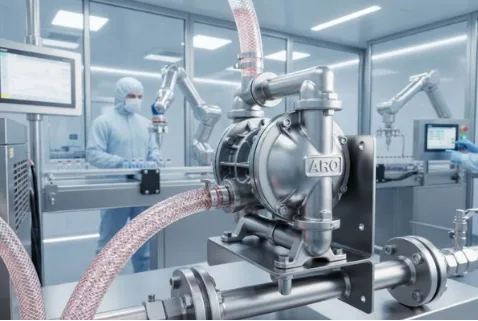
Industrial operations depend on reliable equipment to ensure smooth production and efficient fluid transfer. Whether in manufacturing, chemical processing, food production, or water treatment, pumps play an essential role in moving different types of liquids safely and effectively. Among the many pumping solutions available, ARO pumps have earned a strong reputation for their durability, efficiency, and ability to handle demanding industrial applications.
An ARO pump Malaysia refers to ARO industrial pumps supplied and used across various Malaysian industries for fluid handling tasks. These pumps are designed to deliver consistent performance while minimizing maintenance requirements, making them a preferred choice for businesses seeking reliable pumping systems. Understanding how these pumps work and the types of fluids they can handle helps industries select the right solution for their operational needs.
What Is an ARO Pump Malaysia?
An ARO Pump Malaysia is a high-performance industrial pump commonly used for transferring liquids, chemicals, oils, paints, adhesives, and other fluids across different industries in Malaysia. Manufactured by ARO, a globally recognized brand in fluid management solutions, these pumps are known for their robust construction, efficient operation, and long service life.
One of the most popular ARO products is the air-operated double diaphragm (AODD) pump. Unlike traditional electric pumps, this type of pump operates using compressed air, making it suitable for environments where electrical equipment may pose safety risks. Because it does not rely on electricity, it can safely operate in hazardous or explosive locations where flammable materials are present.
ARO pumps are widely used in industries such as manufacturing, oil and gas, mining, food and beverage, pharmaceuticals, wastewater treatment, and chemical processing. Their versatility allows them to handle both thin and highly viscous fluids while maintaining steady flow rates and dependable performance.
Main Components
Every ARO pump consists of several important components that work together to transfer fluids efficiently. The major components include:
- Air Motor: Supplies compressed air to power the pump without requiring electricity.
- Diaphragms: Flexible membranes that move back and forth to create suction and discharge pressure.
- Check Valves: Prevent the reverse flow of liquid and ensure one-directional fluid movement.
- Fluid Chambers: Hold the liquid during the pumping cycle before it is discharged.
- Air Valve System: Directs compressed air alternately to each diaphragm for continuous operation.
- Inlet and Outlet Ports: Allow fluids to enter and exit the pump efficiently.
- Pump Housing: Protects internal components while providing structural strength and durability.
Each of these components contributes to the pump’s overall efficiency, ensuring consistent operation even in challenging industrial environments.
How Does an ARO Pump Work?
An ARO air-operated double diaphragm pump works by using compressed air to create alternating suction and discharge cycles. The movement of two diaphragms allows fluids to be drawn into the pump and pushed toward the outlet without requiring rotating mechanical seals.
Step 1: Air Supply
Compressed air enters the air valve system, where it is directed to one side of the pump. This air pressure pushes one diaphragm outward while pulling the opposite diaphragm inward.
Step 2: Suction Cycle
As one diaphragm moves backward, it creates a vacuum inside the fluid chamber. This vacuum opens the inlet check valve, allowing liquid to flow into the chamber while preventing air from entering the system.
Step 3: Discharge Cycle
When compressed air shifts to the opposite side, the filled diaphragm moves forward. The pressure closes the inlet valve and opens the outlet valve, forcing the fluid out of the pump toward the discharge line.
Step 4: Continuous Alternating Motion
The air valve automatically redirects compressed air between both diaphragms. This alternating movement creates a continuous pumping action, enabling steady and efficient fluid transfer without interruption.
Step 5: Automatic Flow Adjustment
One of the advantages of an ARO pump is its ability to adjust automatically to changing flow requirements. As downstream pressure changes, the pump slows down or speeds up accordingly without causing damage to the system. This feature improves operational efficiency while reducing energy consumption and equipment wear.
Types of Fluids It Can Handle
One of the biggest strengths of an ARO Pump Malaysia is its versatility. It can safely transfer a wide variety of liquids with different viscosities and chemical properties.
Common fluids include:
- Water
- Chemicals
- Acids
- Alkaline solutions
- Paints and coatings
- Inks
- Lubricating oils
- Hydraulic fluids
- Food-grade liquids
- Liquid soaps and detergents
- Slurries containing solid particles
Because these pumps are available in different materials such as aluminum, stainless steel, polypropylene, PVDF, and cast iron, users can choose a model that is compatible with the specific fluid being transferred. This compatibility improves safety, extends equipment lifespan, and reduces maintenance costs.
ARO pumps are also capable of handling abrasive, corrosive, shear-sensitive, and high-viscosity fluids without compromising performance. Their seal-less diaphragm design significantly reduces the risk of leakage, making them ideal for industries that prioritize environmental protection and workplace safety.
Why Partner with Targetec Engineering?
Targetec Engineering (TTE) supplies high-quality ARO pumps and industrial fluid handling solutions for a wide range of industries in Malaysia. The company is committed to delivering reliable products, technical expertise, and dependable support to help businesses improve operational efficiency and reduce downtime.
With a focus on quality, customer satisfaction, and long-term performance, it helps customers choose the right pumping solutions for their applications. Its professional service and trusted products make TTE a reliable partner for efficient and cost-effective fluid handling.
Conclusion
ARO pumps have become a trusted fluid transfer solution for industries throughout Malaysia because of their efficiency, durability, and versatility. Their air-operated design allows them to work safely in hazardous environments while providing reliable performance across a wide range of industrial applications. With simple construction, fewer moving parts, and excellent resistance to wear, these pumps help reduce maintenance requirements and improve overall productivity.
Understanding what an ARO pump Malaysia is, its key components, working process, and the types of fluids it can handle enables businesses to make informed equipment decisions. Whether transferring chemicals, oils, food products, wastewater, or viscous materials, ARO pumps offer dependable performance, consistent flow, and long-term operational value, making them an excellent investment for modern industrial fluid handling systems.