What Is DOP Certification and Why It Matters When Buying Olive Oil in the UK
Olive oil has become a staple in many British kitchens. From home cooks experimenting with Mediterranean recipes to health conscious shoppers looking for better fats, the demand for high quality olive oil continues to grow across the UK. However, the shelves are now crowded with countless brands claiming to offer authentic and premium oils. For many buyers, this raises an important question: how can you be sure the olive oil you purchase is truly genuine?
One of the most reliable indicators of authenticity is DOP certification. If you have ever noticed this label on a bottle but were unsure what it means, understanding it can significantly improve how you choose olive oil. For shoppers searching for premium products such as DOP olive oil UK, this certification plays a key role in guaranteeing origin, quality, and traditional production methods.
Understanding What DOP Certification Means
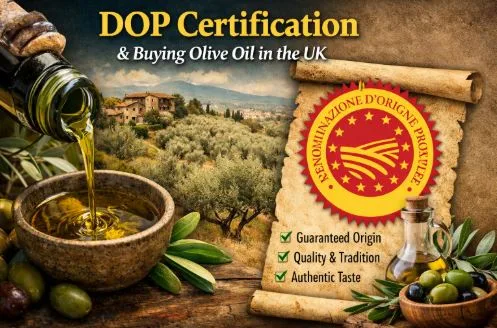
DOP stands for “Denominazione di Origine Protetta,” which translates to Protected Designation of Origin. It is a European quality label used to certify that a product is produced, processed, and prepared in a specific geographic area according to strict standards.
For olive oil, this certification ensures that every stage of production happens within a defined region. That includes growing the olives, harvesting them, pressing them, and packaging the oil.
The purpose of DOP certification is to protect traditional food products and maintain their authenticity. Each region that produces DOP olive oil follows detailed regulations about:
- Olive varieties used
- Cultivation methods
- Harvesting techniques
- Oil extraction process
- Flavor profile and chemical standards
These rules ensure that the final product reflects the unique characteristics of its region.
When consumers buy DOP certified olive oil, they are purchasing a product with verified origin and controlled quality.
Why Authenticity Matters When Buying Olive Oil
Olive oil fraud has unfortunately become a global issue. Many bottles marketed as premium oils are actually blends of lower quality oils or oils sourced from multiple countries.
Without clear certification, it becomes difficult for consumers to know what they are truly buying.
Authenticity matters for several reasons:
First, flavor quality varies dramatically depending on where olives are grown. Climate, soil, and local traditions all influence the final taste.
Second, nutritional value depends heavily on production methods. Freshly pressed extra virgin olive oil UK options that meet strict standards contain higher levels of antioxidants and healthy fats.
Third, authenticity protects cultural heritage. Regions that have produced olive oil for centuries rely on certification to preserve traditional farming practices.
DOP certification helps eliminate uncertainty by providing a trusted seal that verifies the oil’s origin and production.
How DOP Certification Guarantees Quality
When an olive oil carries a DOP label, it has passed a detailed evaluation process. Regulatory bodies monitor every stage of production to ensure compliance.
This includes inspections of olive groves, production facilities, and chemical analysis of the final oil.
Several quality checks are involved:
- Olive harvesting must occur within specific time frames to ensure freshness.
- Olives must be pressed within hours of harvesting.
- The oil must meet strict acidity levels required for extra virgin classification.
- The oil must pass sensory tests conducted by trained tasting panels.
These panels assess the oil’s aroma, flavor, and texture to confirm that it reflects the regional profile defined by the certification.
This rigorous process means consumers buying certified products receive a consistently high quality oil.
Why Sicilian Olive Oil Stands Out
Among the many regions producing certified olive oil, Sicily has gained particular recognition for its exceptional quality. The island’s warm Mediterranean climate, fertile volcanic soil, and centuries old olive cultivation traditions create ideal conditions for producing premium oils.
Sicilian olive oil UK shoppers often seek is known for its vibrant flavor and aromatic complexity.
Common flavor characteristics include:
- Fresh green notes
- Hints of tomato leaf
- Mild peppery finish
- Balanced bitterness
Several Sicilian regions hold DOP certification, including areas such as Val di Mazara and Monti Iblei. Each produces oils with distinctive flavor profiles shaped by local olive varieties.
Because of strict regional standards, these oils maintain a level of authenticity that mass produced oils cannot replicate.
How DOP Differs from Other Olive Oil Labels
Many bottles carry labels such as “pure olive oil,” “light olive oil,” or simply “olive oil.” These terms can be confusing and sometimes misleading.
DOP certification stands apart because it focuses on geographic authenticity and controlled production.
Here is how it differs from common labeling terms:
Regular olive oil
Often refined or blended oils that may not retain the natural flavor and nutrients of freshly pressed olives.
Pure olive oil
Typically a mix of refined oil and small amounts of virgin oil.
Extra virgin olive oil
Produced from cold pressed olives without chemical processing, but origin may still be unclear without certification.
DOP certified oil
Guarantees both extra virgin quality and verified regional origin.
For buyers seeking the best olive oil UK markets have to offer, DOP certification provides an added level of assurance.
Why UK Consumers Are Paying More Attention to Olive Oil Origin
British consumers have become far more knowledgeable about food sourcing in recent years. From specialty cheeses to artisan breads, people increasingly value traceable ingredients and traditional production methods.
Olive oil has followed the same trend.
Health awareness also plays a major role. Research linking Mediterranean diets to improved heart health has encouraged many UK households to switch to high quality olive oils.
As a result, shoppers are now asking questions like:
Where were the olives grown?
How quickly were they pressed?
Was the oil blended or single origin?
DOP certified oils answer these questions clearly. The label acts as a transparent guide that helps buyers understand exactly what they are purchasing.
This transparency is one reason why searches for authentic extra virgin olive oil UK retailers supply have grown steadily.
Key Signs of Genuine High Quality Olive Oil
While certification is a strong indicator, consumers can also learn to recognize other signs of premium olive oil.
When browsing for olive oil, look for the following details:
- A clear harvest date on the bottle
- Dark glass packaging to protect the oil from light
- Information about the olive variety used
- A specific region of origin rather than a vague country label
- Cold extraction mentioned on the label
Taste can also reveal quality.
Fresh olive oil should have a vibrant aroma and a slightly peppery finish. This peppery sensation indicates the presence of healthy polyphenols.
Flat or greasy tasting oil may be older or lower quality.
Combining these observations with DOP certification helps consumers choose oils with greater confidence.
How DOP Certification Protects Farmers and Traditional Producers
Beyond helping buyers, DOP certification also protects olive farmers.
Small scale producers often struggle to compete with large industrial olive oil manufacturers. Without certification, their oils could easily be imitated or blended into mass produced products.
DOP regulations protect the identity of regional oils and ensure producers receive fair recognition for their craftsmanship.
This system benefits several groups:
- Farmers maintaining traditional olive groves
- Local communities dependent on olive production
- Consumers seeking authentic products
- Regional economies built around agriculture
By choosing certified oils, consumers help sustain centuries old agricultural traditions.
Choosing the Right Olive Oil for Your Kitchen
Selecting olive oil should not feel overwhelming. Once you understand certifications and labeling, choosing the right bottle becomes much easier.
Start by considering how you plan to use the oil.
For everyday cooking, a smooth and balanced oil works well.
For finishing dishes, dipping bread, or drizzling over salads, a more aromatic and complex oil adds depth to the flavor.
Many food enthusiasts prefer oils from specific regions known for their distinctive taste. Sicilian oils, for example, are often used to elevate simple dishes like grilled vegetables, seafood, or fresh pasta.
Exploring certified regional oils allows home cooks to experience the diversity of olive oil flavors.
A Smarter Way to Shop for Olive Oil
Understanding DOP certification transforms how you approach olive oil shopping. Instead of relying on marketing claims or attractive packaging, you gain a clear method for identifying genuine quality.
For UK consumers who appreciate authentic Mediterranean ingredients, certification provides reassurance that the oil meets strict standards of origin and production.
Whether you are exploring rich Sicilian oils, searching for a reliable everyday cooking oil, or simply hoping to taste the difference that true craftsmanship brings, paying attention to DOP labels makes all the difference.
Choosing certified olive oil is not just about flavor. It is about supporting traditional producers, protecting culinary heritage, and bringing truly authentic ingredients into your kitchen.