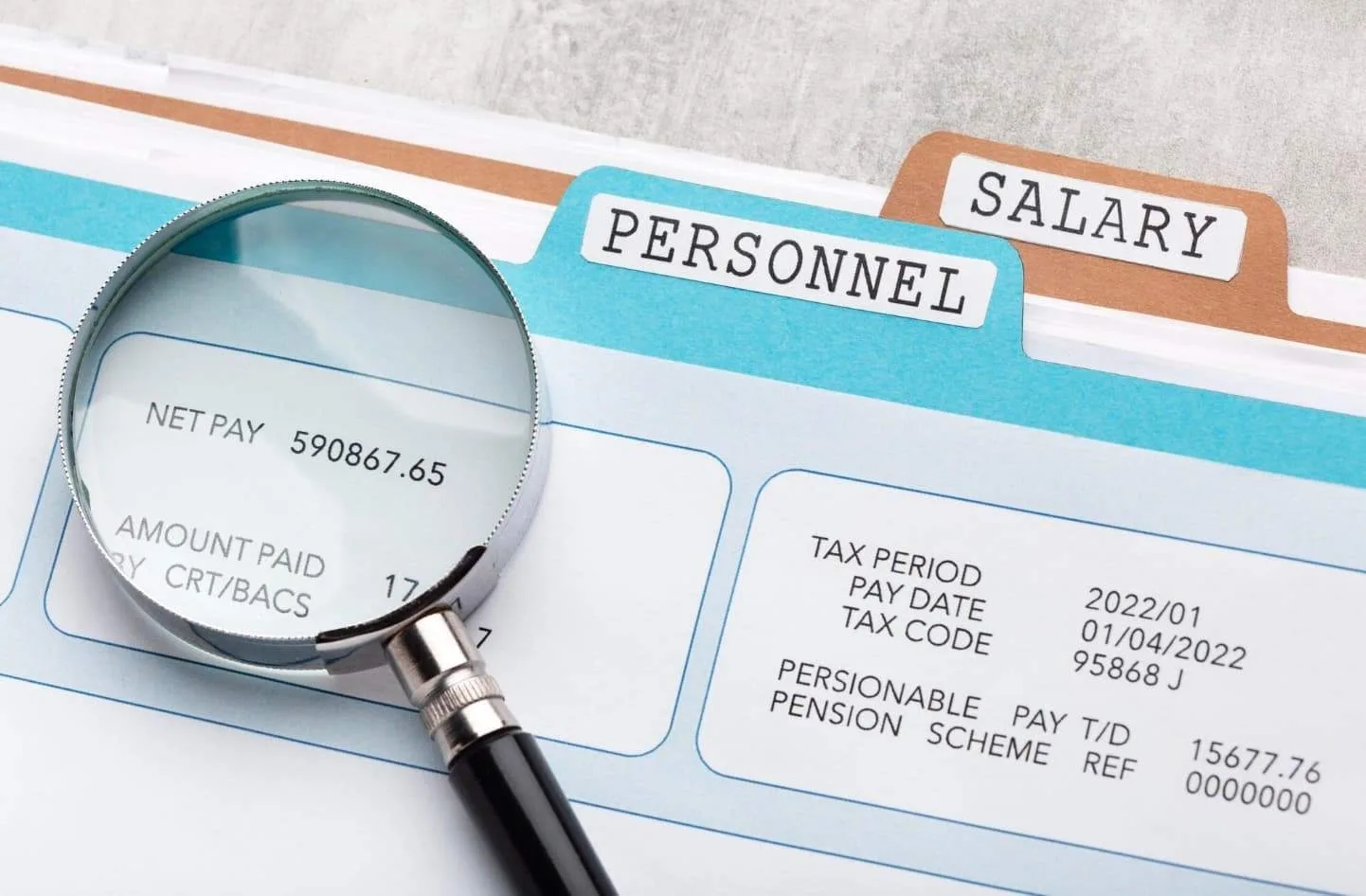
What Is Employee Self-Service Payroll (ESS) & How Does It Work?
Key Highlights
- Employee self-service (ESS) gives your team direct access to their personal and payroll information.
- An ESS portal empowers employees to manage tasks like updating details and requesting time off.
- Implementing a self-service system significantly reduces administrative work for your HR team.
- Payroll self-service enhances the employee experience by creating transparency and trust.
- Modern ESS solutions offer mobile access, making them convenient for your entire workforce.
- Secure access to payroll information helps build confidence and improve data accuracy.
Are you tired of handling endless HR requests and manual data entry? In today’s fast-paced world, organisations are turning to employee self-service (ESS) to streamline processes and empower their teams.
An ESS system, often part of a modern payroll software or integrated with managed payroll services, gives employees instant access to their personal and payroll information. This guide explores what employee self-service is, how it works, and how it can completely transform the HR and payroll experience for you and your employees.
Understanding Employee Self Service (ESS) and Payroll Self Service
Employee self-service is a technology that allows your staff to handle many of their own HR-related tasks. This gives them greater control over their own data and frees up your HR team from managing routine enquiries. A better employee experience is often the result.
A key part of this system is its application to payroll processes. While ESS covers a wide range of HR functions, payroll self-service focuses specifically on giving employees access and control over their pay-related information. Let’s look at the differences more closely.
Defining ESS: What Is Employee Self-Service?
So, what exactly is employee self-service? Think of it as a secure online portal or mobile app where employees can independently manage a variety of HR functions. Instead of filling out paperwork or contacting HR for simple changes, they can log in and handle it themselves. This gives them direct ownership of their own information.
This system works by connecting employees directly to the company’s HR database through a user-friendly interface. From this portal, they can update their personal employee data, submit time-off requests, and access company documents. By putting this power in their hands, you foster a sense of autonomy and responsibility.
What Makes Payroll Self-Service Different?
While ESS is the broader system, payroll self-service is a specialised component focused entirely on pay-related tasks. It’s designed to give employees transparency and control over their financial information, reducing the number of payroll-related questions sent to your HR department.
Modern payroll software is built with these features in mind, aiming to simplify life for everyone. Wondering what specific features you should look for? A good payroll self-service system allows employees to:
- View and download current and past payslips or pay stubs.
- Access and print year-end tax documents.
- Submit expense reimbursement requests.
This specific focus on payroll helps eliminate many time-consuming administrative tasks. It ensures that employees have immediate access to critical financial documents like payslips, which builds trust and improves the overall efficiency of your payroll operations.
How Does Employee Self-Service Work in Modern Organisations?
In a modern workplace, ESS platforms are integrated into the daily routine. They act as a central hub where employees can access everything from company policies to their own personal data without needing to go through the HR team. This autonomy is key to a positive employee experience.
By providing this tool, you empower your team and boost employee engagement. Employees appreciate the convenience and transparency, while your HR department can dedicate its time to more complex and strategic work. Below, we’ll explore how to set up an ESS system and what the user experience is like.
Steps Involved in Setting Up HR & Payroll Self-Service
Setting up an HR and payroll self service system can be a straightforward process with the right plan. The first step is to choose a modern payroll software that offers a robust and user-friendly portal designed with the employee experience in mind.
Once you have selected a platform, the next phase involves integrating it with your existing HR systems. This is a crucial step to ensure data flows seamlessly between payroll, time tracking, and other HR functions, preventing inconsistencies. The goal is to create a single source of truth for all employee information. After integration, you can begin configuring the system according to your company’s needs. Key steps include:
- Choosing the right payroll software.
- Integrating it with other HR tools.
- Customising access rights for different user roles.
- Training your employees and managers on how to use the new portal.
This organised approach helps minimise administrative tasks related to paychecks and ensures a smooth transition for your entire team.
Key Features to Look for in Payroll Self Service Software
When choosing a payroll self service software, it’s important to know what features will deliver the most value. The right system should streamline access to payroll information and make it easy for employees to manage their personal data. A well-designed portal can make a huge difference in the user experience.
Your goal is to find a payroll software that empowers your team while ensuring all employee data remains secure. Let’s break down some of the most critical features to look for in an effective ESS solution.
Secure Payslip and Tax Document Access
One of the most valuable features of an ESS portal is providing secure access to financial documents. Employees need to be able to view their payslips and tax documents whenever they want, without compromising security. Is payroll self service secure enough for this sensitive data? Absolutely, provided the platform uses strong security measures.
A reliable system ensures that all data is protected. Look for software that includes robust security protocols to keep information safe. This helps build trust and gives employees peace of mind. Key security features to look for include:
- Data encryption to protect information during transmission and storage.
- Multi-factor authentication to prevent unauthorised login attempts.
- Role-based access controls to ensure users only see the information they are permitted to see.
By prioritising security, you can offer your team the convenience of accessing their pay stubs and tax documents online without worrying about data breaches. This transparency is fundamental to a modern and trustworthy payroll process.
Personal Information and Bank Details Management
A great ESS system empowers employees to manage their own personal information. One of the most common questions is, can employees update their personal information using payroll self service? The answer is yes, and this feature is a significant time-saver for both employees and HR staff.
Instead of filling out forms, employees get direct access to update their own employee data. This can include changes to their home address, contact numbers, emergency contacts, and even bank details for their salary payments. This self-service approach reduces the risk of manual data entry errors that can lead to payroll issues.
Integration with HR Systems and Mobile Access
For an ESS system to be truly effective, it must work in harmony with your other HR tools. How does payroll self service integrate with HR software? The best platforms offer seamless integration, creating a unified system where data flows automatically between payroll, time tracking, and benefits administration.
This integration eliminates data silos and prevents your HR team from having to enter the same information into multiple systems. When an employee updates their address in the ESS portal, that change should instantly reflect across all connected platforms. This ensures consistency and accuracy everywhere.
Main Benefits of Implementing HR & Payroll Self Service
Implementing HR and payroll self service brings a wealth of benefits to your organisation. It helps streamline processes, reducing the administrative burden on your HR team and allowing them to focus on more strategic initiatives. This efficiency is a game-changer for businesses of all sizes.
Beyond operational improvements, ESS is a powerful tool for employee empowerment. Giving your team direct access to their payroll information fosters a culture of trust and independence. Let’s explore these advantages in more detail.
Reducing HR Workload and Streamlining Processes
One of the most significant benefits of ESS is its ability to dramatically reduce the workload of your HR team. Can payroll self-service help reduce HR workload in large organisations? Yes, by automating many of the routine administrative tasks that consume a large portion of their day.
Enhancing Employee Empowerment and Self-Reliance
Employee empowerment is at the heart of any successful ESS implementation. When you give your team direct control over their personal information, you’re sending a clear message of trust and respect. This sense of ownership can significantly boost morale and job satisfaction.
Addressing Challenges and Security Concerns in Payroll Self-Service
While the benefits of payroll self service are clear, it’s also important to address potential challenges. The primary concerns often revolve around security and ensuring compliance, as the system handles sensitive personal data. Creating transparency around these issues is key to building trust.
Let’s examine how to overcome these hurdles.
Protecting Sensitive Data and Ensuring Compliance
Protecting sensitive personal data is the top priority when implementing an ESS system. Given that employees will be accessing financial and personal details, robust security measures are non-negotiable. So, is payroll self-service secure? With the right platform, it certainly is.
Leading ESS systems are built with advanced security features to safeguard information and ensure compliance with data protection regulations like GDPR.
Encouraging Adoption Across Large and Small Businesses
Introducing any new technology requires a thoughtful approach to encourage adoption across your workforce. The goal is to make the transition so smooth that employees wonder how they ever managed with all the old paperwork. A positive employee experience from day one is crucial.
For small businesses, the benefits are clear: streamlined operations and a modern workplace culture. To encourage adoption, highlight how the new system saves time and gives them more control. Offer hands-on training sessions and create simple guides that walk them through the key features.
Popular Payroll Self-Service Systems Used in the UK
When it comes to choosing a payroll self-service system in the UK, you have plenty of options. The market offers a wide range of payroll software solutions, from comprehensive platforms for large enterprises to more streamlined apps designed for small businesses.
Many of these systems provide a user-friendly portal and mobile apps, allowing employees to manage their payroll processes from anywhere. The right choice will depend on your company’s specific needs and size. Below, we’ll look at some leading solutions and factors to consider.
Overview of Leading Solutions for Enterprises and SMEs
The UK market offers a variety of payroll software options tailored to different business sizes. For large enterprises, solutions often focus on robust features like advanced reporting, global payroll capabilities, and deep integration with complex HR systems. These platforms are built to handle thousands of employees across multiple locations.
For small and medium-sized enterprises (SMEs), the focus is typically on ease of use, affordability, and core functionalities. These systems provide essential tools for managing payroll information without the complexity needed by larger organisations. Many are cloud-based, offering flexibility and lower setup costs.
Here is a general comparison of what you might find when looking for payroll software providers in the UK:
| Feature | Solutions for SMEs | Solutions for Enterprises |
| Core Focus | Simplicity and affordability | Scalability and comprehensive features |
| Key Functions | Payslip access, leave requests, and basic employee data management | Global payroll, advanced analytics, deep HRIS integration |
| Best For | Small to medium businesses seeking efficiency and ease of use | Large, complex organisations with diverse needs |
Factors to Consider When Choosing the Right Platform
Choosing the right platform is a critical decision that will impact your payroll processes for years to come. One common question is, “How do I choose between payroll software and a payroll service provider?” Software gives you direct control, while a service provider manages payroll for you. An ESS platform often comes as part of a software package.
When evaluating a platform, consider its accessibility and ease of use. The system should be intuitive for all employees, regardless of their technical skills. A clunky or confusing interface will only lead to frustration and low adoption rates.
Finally, ensure the platform is flexible enough to align with your company policies and can scale with your business as it grows. Here are a few key factors to consider:
- Integration: Does it integrate seamlessly with your existing HR tools?
- Security: What measures are in place to protect your data?
- Support: What level of customer support and training is offered?
Conclusion
Employee Self Service (ESS) is transforming the way modern organisations manage their HR and payroll processes. By empowering employees to access their personal information, payslips, and tax documents, ESS not only streamlines operations but also enhances self-reliance and engagement among staff. The integration of secure systems and user-friendly portals is crucial for maximising efficiency while addressing any security concerns. As more businesses recognise the advantages of ESS, investing in the right solutions and practices can lead to a more effective and engaged workforce. If you’re ready to take your HR processes to the next level, consider booking a free consultation with our experts to explore how ESS can work for your organisation.
Frequently Asked Questions
How do employees access payslips and tax documents with ESS?
Employees access their payslips and tax documents by logging into a secure ESS portal or mobile app. From their personal dashboard, they can view, download, and print their payroll information at any time. This instant accessibility improves the employee experience by providing on-demand access to crucial financial documents.
Can employees update their personal details through payroll self-service?
Yes, a key feature of payroll self-service is allowing employees to update their own information. Through the portal, they can change their address, contact details, and bank information. This ensures employee data is accurate and up-to-date within the payroll software without needing HR intervention.
Is payroll self-service suitable for small businesses?
Absolutely. Payroll self-service is highly suitable for small businesses in the UK. It helps reduce administrative tasks, which is crucial when resources are limited. Promoting employee empowerment and streamlining HR functions, it allows small businesses to operate more efficiently and offer a modern employee experience.
What are self-employed payroll services?
Self-employed payroll services help freelancers and sole traders manage pay calculations, tax deductions, filings, and compliance without running payroll software. They simplify reporting, reduce errors, save time, and ensure records remain accurate for accounting and tax purposes.
What is employee self-service payroll?
Employee self-service payroll allows staff to access payslips, tax documents, leave balances, and personal details online. It reduces HR workload, improves transparency, minimises payroll queries, and gives employees greater control over their payroll-related information and data accuracy.
What is the best payroll service for self-employed professionals?
The best payroll service for self-employed professionals depends on income complexity, tax requirements, and growth plans. Ideal solutions automate calculations, support filings, integrate with accounting tools, remain affordable, and adapt as business income and obligations change.
What is the advantage of payroll employee self-service?
Advantage payroll employee self-service streamlines payroll access by letting employees view payslips, update details, and track leave independently. This improves accuracy, reduces administrative effort, speeds issue resolution, and enhances overall employee satisfaction across organisations and internal efficiency.