What Makes a Good Frying Pan? Key Features You Should Not Ignore
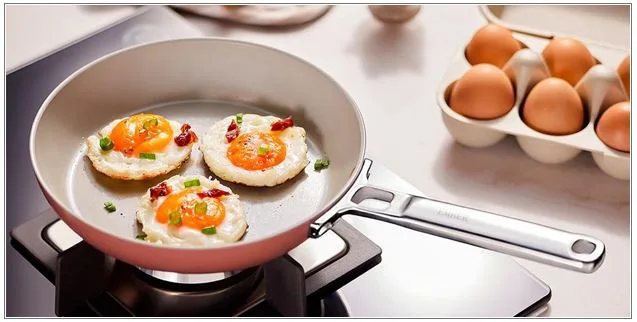
A frying pan is one of the most frequently used tools in any kitchen. From preparing a quick breakfast to cooking a full family meal, it is relied upon every day. Despite this, frying pans are often chosen based on price or appearance rather than how well they perform over time. Understanding what makes a frying pan genuinely good helps ensure better cooking results, safer food preparation, and long-term reliability.
Whether you are replacing an old pan or adding to your kitchen collection, it is worth looking beyond surface-level features. A well-made frying pan supports consistent heat, protects ingredients, and remains dependable through regular use. These qualities become especially important in everyday cooking, where heat levels and cooking time can vary widely.
Coating Material and Safety
The coating is one of the most important aspects of a frying pan. It affects food release, cleaning effort, and how the surface behaves under heat. Many traditional non-stick pans rely on synthetic coatings that perform well initially but may degrade if overheated or used frequently.
Growing awareness around material safety has shifted attention towards alternatives that rely on surface stability rather than chemical performance. A well-made ceramic frying pan uses mineral-based materials that remain stable during regular cooking. These coatings are typically free from PTFE, PFOA, PFAS, lead, and cadmium, making them suitable for everyday use.
Surface stability matters in kitchens where cooking often involves higher temperatures. Independent testing from recognised bodies such as SGS or BIS helps confirm that safety claims are supported by verified standards rather than marketing language.
Coating Thickness and Long-Term Durability
A frying pan may feel effective when it is new, but the true quality becomes clear with time. Thin coatings tend to wear quickly, especially with daily use. Scratches, peeling, and sticking are common signs of early surface breakdown.
Thicker coatings offer better resistance to wear and maintain their non-stick properties for longer. Increased thickness helps the surface withstand regular stirring, temperature changes, and cleaning without losing performance. A stable coating that does not chip or flake also reduces the risk of particles entering food during cooking.
Durability is not only about lifespan. It directly affects cooking consistency and surface safety over time.
Heat Distribution and Temperature Control
Uneven heat is a common issue in everyday cooking. Food may burn at the centre while remaining undercooked around the edges. This problem is usually linked to how heat travels across the pan’s base.
Well-constructed frying pans use engineered bases that distribute heat evenly across the entire surface. Even heat reduces hot spots, supports consistent browning, and protects the coating from stress caused by localised overheating.
Responsiveness is equally important. A good frying pan reacts quickly when the heat level changes, allowing better control during sautéing, shallow frying, or searing.
Weight, Balance, and Ease of Handling
A frying pan should feel comfortable to use on a daily basis. Excessive weight can make routine cooking tiring, while very light pans may feel unstable or distribute heat unevenly.
Balance plays a key role. A well-balanced pan sits securely on the cooktop and remains easy to handle when lifting or tilting. Handle design also matters. It should provide a firm grip, remain cool during cooking, and be securely attached to support the pan’s weight when full.
Thoughtful construction improves everyday use without adding unnecessary complexity.
Cooktop Compatibility
Modern kitchens often use more than one cooking surface. Induction cooktops, in particular, are becoming more common. Not all frying pans are suitable for induction, so compatibility should be checked before purchase.
An induction-ready base ensures efficient heating and stable performance. On gas cooktops, a flat base that sits evenly on the grate prevents movement during cooking. If you are building a non-stick cookware set, choosing pieces that work across multiple cooktops adds flexibility and long-term convenience.
Choosing the Right Size for Daily Cooking
Frying pans are commonly available in 20 cm and 24 cm sizes. Each serves a different purpose depending on household needs.
- A 20 cm pan is suitable for individual portions, eggs, or small servings of vegetables. It works well as an additional pan for quick tasks.
- A 24 cm pan offers greater versatility and suits most everyday cooking needs. It comfortably handles flatbreads, shallow frying, and larger portions for family meals.
Choosing the right size prevents overcrowding and supports even cooking.
Warranty and Brand Accountability
A clear warranty reflects confidence in product quality. Coverage of three to five years on coating and construction suggests that the pan is designed for consistent, long-term use. Equally important is transparency around materials and after-sales support. Brands like Ember Cookware include non-stick pans that focus on mineral-based coatings, verified safety standards, and practical durability rather than short-term performance claims.
Conclusion
A good frying pan is defined by how well it supports everyday cooking. Coating safety, heat distribution, durability, handling comfort, and cooktop compatibility all play a role in long-term performance.
When these features are carefully considered, a frying pan becomes more than a basic kitchen tool. It becomes a dependable part of daily cooking, supporting consistent results, safer food preparation, and a more reliable kitchen environment over time.