What Makes a Luxury Home Feel Good to Live In?
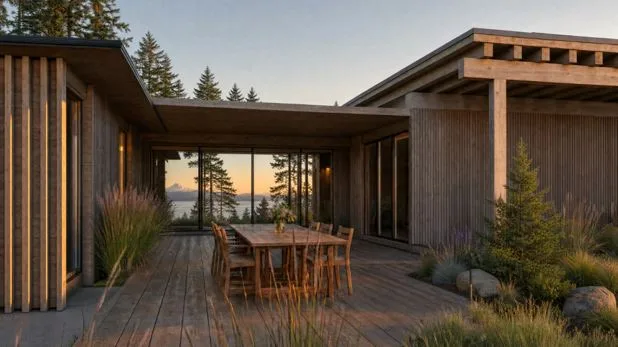
A beautiful home can create an immediate impression, but daily life reveals the deeper quality of its design. The way morning light enters a bedroom, the ease of moving between rooms, the relationship with the landscape, and the balance between shared and private spaces all shape how a home feels over time. Approaches such as Vera Iconica luxury architecture reflect a wider interest in homes designed around human experience and their environmental setting. When these ideas guide the architecture from the beginning, luxury becomes something people experience throughout the day rather than something they only see.
Begin With the Way People Live
Good residential design starts with understanding daily life. A floor plan can look balanced on paper while still feeling awkward if it does not support the routines of the people who live there. Architects can learn a great deal by considering how residents wake, work, cook, gather, rest, entertain, and move between indoor and outdoor spaces.
These patterns can influence everything from room relationships to circulation. A kitchen may need a direct connection to an outdoor dining area, while a home office may benefit from separation from active family spaces. When architecture responds to real routines, the house begins to feel personal rather than arranged around a standard idea of luxury.
Let Natural Light Shape the Rooms
Natural light changes throughout the day, giving rooms a sense of rhythm. Morning sun can bring warmth to a breakfast area, while softer afternoon light may suit spaces intended for reading or rest. Window placement, room orientation, overhangs, and surrounding landscape all affect how that light enters the home.
Thinking about daylight early also helps architects consider views and privacy at the same time. A large window has value when its position makes sense for the room and the site. The goal is to create spaces where light supports the way each room is used while strengthening the connection between the interior and its surroundings.
Create an Easy Sense of Movement
A home feels more comfortable when movement through it seems natural. People should be able to travel between frequently used spaces without unnecessary turns, narrow transitions, or confusing circulation. This does not require a completely open floor plan. Clear connections can exist while rooms still retain their own character.
Transitions deserve attention as well. Hallways, stairs, entries, and thresholds shape the journey through a house, even though they are rarely treated as major destinations. Thoughtful proportions, views, materials, and light can make these areas feel like part of the architecture rather than leftover space between rooms.
Balance Connection With Privacy
Luxury homes often include generous gathering spaces, but comfort also depends on having places to withdraw. A successful plan gives residents choices about how social or private they want to be at different times of the day.
Room placement can create this balance without making the home feel divided. Bedrooms may sit away from active entertaining areas, while a quiet reading space can remain visually connected to the rest of the house. Small changes in ceiling height, orientation, or material can also signal a shift from shared space to a more intimate setting.
Build a Relationship With the Site
A home becomes more distinctive when its design responds to where it stands. Climate, topography, vegetation, views, sun, and prevailing conditions can all inform architectural decisions. These factors may influence the building’s orientation, window placement, outdoor rooms, material choices, and the way people enter the property.
This site-specific thinking can also create a stronger sense of belonging. A residence that frames a meaningful view or opens naturally toward a garden feels connected to its setting. The architecture gains character from the land instead of relying only on decorative features to establish identity.
Choose Materials for Everyday Experience
Materials contribute more than color and style. Their texture, temperature, weight, and surface character affect the way people experience a room at close range. Timber can bring warmth, stone can offer visual depth and solidity, and natural textiles can soften spaces where people spend long periods of time.
It also helps to consider how materials will change with use. Floors receive daily wear, sunlight reaches certain surfaces more strongly than others, and frequently touched elements develop their own character. Choosing materials with their long-term experience in mind can support a home that continues to feel considered as it ages.
Give Outdoor Space a Clear Purpose
Outdoor areas feel more integrated when they are planned as part of daily life. A terrace connected directly to the kitchen may support regular meals outside, while a sheltered courtyard can provide a quieter place to sit. Views from inside also matter because gardens, trees, water, and changing weather can become part of the experience even when residents remain indoors.
The relationship works best when indoor and outdoor spaces respond to each other. Floor levels, openings, shade, materials, and circulation can strengthen that connection. Instead of treating the landscape as scenery around the building, the design can make it part of how residents move through and enjoy the home.
Plan for Life to Change
A house may serve the same family for many years, but the way they use it will change. Children grow, work patterns shift, guests stay for longer periods, and rooms take on new purposes. Architecture that allows some flexibility can respond to these changes without losing its original clarity.
This does not require making every room generic. A well-proportioned study might later serve another purpose, while a guest area can support different uses when it is unoccupied. Thinking about future possibilities can help a home remain useful and comfortable through different stages of life.
Let Luxury Emerge From the Whole Experience
The qualities that make a home rewarding to live in are often quiet ones. Natural light arrives where it is wanted, movement feels easy, private spaces offer retreat, materials feel good to touch, and the landscape remains present throughout the day. None of these choices needs to announce itself.
When architecture brings these elements together, luxury becomes part of everyday experience. The home supports routines, responds to its setting, and offers spaces that can continue to work as life changes. That lasting sense of ease is difficult to create through decoration alone, which is why thoughtful architectural planning remains one of the most meaningful forms of residential luxury.