What Makes a Smart Ergonomic Chair Actually Smart?
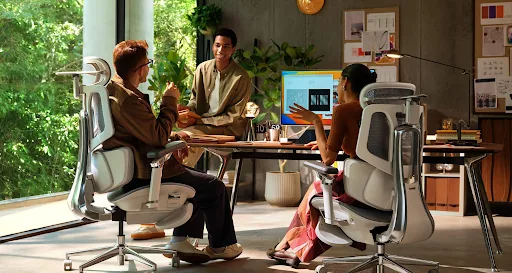
With remote work, hybrid offices, and extended screen time becoming part of everyday life, investing in a quality office chair has never been more important. But as the furniture industry evolves, a new category has emerged—smart ergonomic chairs. While many brands claim their chairs are “smart,” not all of them truly deliver meaningful innovation.
So, what exactly makes a smart ergonomic chair actually smart? The answer lies in how effectively it combines ergonomic science, intelligent adjustability, and user-centered engineering to provide personalized support throughout the workday.
Beyond Basic Ergonomics
Traditional ergonomic chairs are designed to promote healthy posture and reduce discomfort. They typically feature adjustable seat height, armrests, lumbar support, and reclining mechanisms. While these features are beneficial, smart ergonomic chairs take the concept much further.
Instead of relying solely on manual adjustments, smart ergonomic chairs are engineered to respond to the user’s body, movements, and posture. They are designed to provide continuous support rather than requiring constant readjustments throughout the day.
This intelligent adaptability helps minimize muscle fatigue, improve spinal alignment, and create a more comfortable seating experience during long hours of work.
Intelligent Lumbar Support
One of the defining characteristics of a smart ergonomic chair is advanced lumbar support. The lower back experiences significant stress during prolonged sitting, making proper lumbar support essential for maintaining healthy posture.
Modern smart ergonomic chairs with lumbar tracking utilize sophisticated mechanisms that allow the lumbar support to move naturally with the user’s body. As you lean forward, recline, or shift positions, the lumbar system follows your spine, maintaining consistent support instead of leaving gaps between your back and the chair.
This dynamic support encourages healthier sitting habits while reducing pressure on the lower back.
Personalized Adjustability
A truly smart ergonomic chair recognizes that no two people have identical body proportions or sitting preferences.
Rather than offering limited adjustments, premium smart chairs provide multiple customization points, including:
- Adjustable seat depth
- Flexible backrest height
- Multi-dimensional headrests
- Fully adjustable armrests
- Dynamic reclining tension
- Synchronized tilt mechanisms
These features allow users to tailor the chair precisely to their body dimensions, improving comfort and reducing strain during extended work sessions.
Dynamic Movement Encourages Better Health
One misconception about ergonomics is that sitting perfectly still is ideal. In reality, movement is essential for maintaining circulation, reducing stiffness, and preventing fatigue.
Smart ergonomic chairs are specifically engineered to encourage micro-movements throughout the day. Their synchronized recline systems, flexible backrests, and responsive mechanisms allow the body to move naturally while maintaining spinal support.
This active seating philosophy promotes healthier work habits compared to rigid office chairs that restrict movement.
Pressure Distribution Matters
Comfort is not simply about soft cushioning.
An intelligently designed ergonomic chair distributes body weight evenly across the seat and backrest to reduce pressure points. High-density foam, breathable mesh materials, and carefully contoured seat designs all contribute to better weight distribution.
Proper pressure management helps reduce numbness, discomfort, and fatigue during long working hours.
Breathable Materials for Long-Term Comfort
Temperature regulation is another often-overlooked component of a smart ergonomic chair.
Premium models utilize advanced mesh fabrics or breathable materials that improve airflow around the user’s back and legs. Better ventilation prevents heat buildup, allowing users to remain comfortable even during extended workdays.
This becomes especially valuable for professionals working eight or more hours at a desk.
Ergonomics Backed by Research
What separates genuine smart ergonomic chairs from marketing buzzwords is research-based design.
Leading manufacturers invest heavily in biomechanics, posture studies, and user testing to develop seating systems that support natural spinal alignment and healthy movement patterns.
Instead of adding unnecessary technology for the sake of novelty, truly smart chairs focus on solving real ergonomic problems through thoughtful engineering.
Supporting Different Work Styles
Today’s professionals rarely remain in a single position all day. They alternate between typing, video meetings, reading documents, brainstorming, and relaxing during breaks.
Smart ergonomic chairs accommodate these changing activities by allowing seamless transitions between upright focus and comfortable reclining without compromising support.
This versatility makes them ideal for:
- Home offices
- Corporate workspaces
- Creative studios
- Executive offices
- Gaming setups
- Study environments
Why Design Quality Matters
The smartest ergonomic features lose their value if the chair lacks durability or build quality.
Premium ergonomic chairs use reinforced frames, precision-engineered mechanisms, durable mesh, and high-quality materials that maintain consistent performance over years of daily use.
Attention to craftsmanship ensures that adjustment systems remain smooth and supportive rather than becoming loose or unreliable over time.
HBADA’s Approach to Smart Ergonomics
As one of the recognized innovators in ergonomic seating, HBADA focuses on combining ergonomic science with modern engineering to create some of the best ergonomic chair solutions for today’s professionals. Designed to adapt to a wide range of body types and work styles, HBADA’s office chairs deliver personalized comfort, advanced support, and long-lasting performance for modern workspaces.
Rather than emphasizing gimmicks, HBADA designs its seating solutions around intelligent lumbar support, dynamic reclining systems, customizable adjustments, breathable materials, and user-focused comfort. This approach reflects the growing demand for ergonomic products that actively support healthier posture while enhancing productivity during long hours of work.
Whether furnishing a home office or upgrading a corporate workspace, choosing a chair built with these principles can significantly improve daily comfort and long-term well-being.
Final Thoughts
A smart ergonomic chair is much more than a chair with adjustable components. Its intelligence comes from how effectively it responds to the user’s body, encourages healthy movement, and delivers consistent support throughout the day.
Features such as adaptive lumbar support, personalized adjustability, synchronized motion, breathable materials, and research-driven design distinguish genuinely smart ergonomic chairs from conventional office seating.
As workplace expectations continue to evolve, investing in thoughtfully engineered ergonomic seating has become an investment in both productivity and long-term health. Brands like HBADA demonstrate how modern ergonomic innovation can transform the everyday sitting experience into one that is healthier, more comfortable, and better suited for the demands of contemporary work.