What Patients Should Know About Emerging Technologies for Soft Tissue Recovery
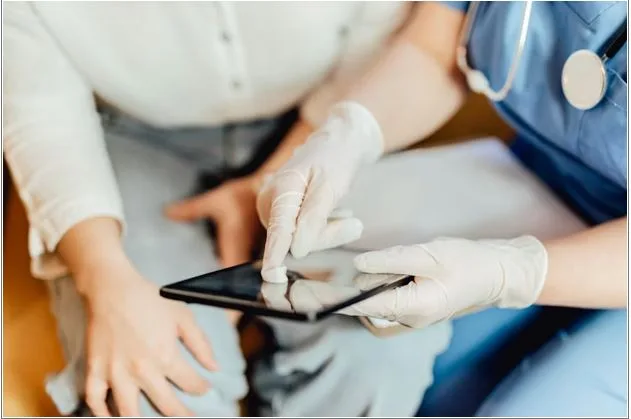
From shockwave therapy to wearable trackers, emerging technologies are changing how providers treat stubborn soft tissue injuries. But with so many options on the market, it can be hard to separate marketing hype from effective treatment.
This guide breaks down how these modern recovery tools work, how they compare to traditional care, and the exact questions you should ask your provider before trying one.
Why New Tools Are Entering Recovery Plans
Soft tissue injuries can be stubborn because healing depends on blood flow, tissue load, inflammation control, sleep, age, and activity habits. A sore Achilles tendon, strained hamstring, or irritated shoulder may improve for a few days, then flare when normal movement returns. Newer technologies are meant to help providers manage those details instead of relying only on time and guesswork.
Traditional care still matters. Exercise, mobility work, patient education, hands-on therapy, and smart activity changes remain the base of many recovery plans. A 2024 PubMed review listed 109 emerging technologies for musculoskeletal health, showing how quickly recovery tools are expanding beyond standard clinic-based care.
Patients may hear about several technology-supported options during care:
- Shockwave or acoustic wave therapy
- Electrical stimulation
- Wearable movement trackers
- App-guided home rehab
Emerging Technologies for Soft Tissue Recovery
Emerging technologies for soft tissue recovery include devices that deliver energy, tools that collect movement data, and platforms that guide home rehab. Some options are used in a clinic, while others support the work between appointments. The best fit depends on the diagnosis, healing stage, and patient’s goals.
Shockwave-based treatments use acoustic energy to stimulate targeted tissue and are often discussed for concerns involving tendons, ligaments, and other soft tissue structures. Different systems generate shockwaves in different ways, which can affect how energy is delivered. In some clinical settings, providers may use systems built around electrohydraulic shockwave technology, with SoftWave being one example, as part of a broader recovery plan rather than a stand-alone fix.
Digital tools play a different role. Wearables, apps, and telehealth can help connect clinic care with real-world progress.
What Makes Tech-Supported Care Different
Technology-supported care is not automatically better than traditional care, but it can make a good plan easier to measure. A patient doing tendon rehab, for example, may need gradual loading, symptom tracking, and adjustments based on response. A wearable or app can help the provider spot patterns that might otherwise be missed during a short appointment.
Some tools focus on comfort. Others focus on function, strength, mobility, or consistency. Before starting a newer treatment, patients should ask direct questions:
- What diagnosis is being treated
- What results should be expected
- How progress will be measured
- What risks may apply
- Whether insurance covers it
How to Stay Realistic About Results
Recovery technology works best when patients see it as support, not a shortcut. A device may help reduce discomfort or improve the treatment environment, but tissue still needs time and the right amount of loading. Skipping the basics can limit progress, even when advanced tools are used.
Patients should also be careful with bold claims. A qualified provider should be able to explain why they recommend a specific tool, what evidence supports it, and what alternatives are available. It is also fair to ask how many sessions may be needed, when progress should be noticeable, and what signs mean the plan should be adjusted.
Choosing a Smarter Soft Tissue Recovery Plan
A good recovery plan should not leave you guessing. It should connect the treatment, the home exercises, and the progress markers to the activities you actually want to return to. Emerging technologies for soft tissue recovery can fit into that plan when a qualified provider explains their purpose clearly.
Before trying a new option, ask how it supports the bigger picture and what you should watch for between visits. The right conversation can help you feel more informed, more confident, and more in control of your recovery.