What Rising Fuel Prices Mean for Tire Maintenance and Vehicle Efficiency
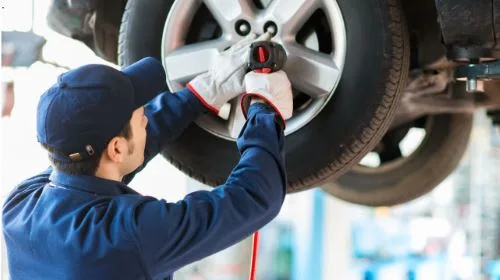
Fuel prices across Canada have been climbing steadily, and Calgary drivers are feeling it at the pump more than ever. While most people look at driving habits or vehicle type when trying to cut fuel costs, one of the most overlooked factors sits right underneath your car — your tires. The condition, pressure, and alignment of your tires directly affect how hard your engine works and how much fuel it burns on every single trip. If you’re spending more at the pump and haven’t thought about your tires recently, it’s time to make the connection.
The relationship between tire health and fuel efficiency is straightforward: a well-maintained tire rolls with less resistance, meaning your engine doesn’t have to work as hard to move the vehicle forward. A poorly maintained tire — underinflated, unevenly worn, or out of alignment — creates drag that quietly increases your fuel consumption kilometre after kilometre. For Calgary drivers already dealing with rising costs, visiting a reliable Tire Shop in Calgary is one of the most practical and affordable steps you can take to protect your budget right now.
Tire Pressure and Fuel Economy — The Direct Connection
Underinflation is the single biggest tire-related fuel waster, and it affects far more vehicles than most drivers realize. For every 10 PSI drop in tire pressure, fuel efficiency decreases by roughly 0.5–1%. That might sound small, but across four tires and thousands of kilometres per year, it adds up to a meaningful amount of money — especially when fuel costs are already elevated.
Calgary’s dramatic temperature swings make this worse than in most Canadian cities. Tire pressure drops approximately 1 PSI for every 6°C decrease in temperature. A Chinook that swings temperatures by 20°C in 24 hours can drop your tire pressure by 3–4 PSI overnight without any puncture or leak involved. Checking your tire pressure monthly — and especially after a significant temperature change — is one of the simplest, cheapest things you can do to keep your fuel costs under control.
Most gas stations have air pumps, and many tire shops offer free pressure checks. The correct pressure for your vehicle is printed on the sticker inside your driver’s door jamb — not on the tire sidewall, which shows the maximum pressure, not the recommended one.
Wheel Alignment and Rolling Resistance
Misaligned wheels force your tires to fight against each other as they roll — instead of all four pointing in the same direction and working together, they create friction and drag. Your engine compensates by burning more fuel. Studies suggest misalignment can reduce fuel efficiency by up to 10% in severe cases.
Beyond fuel costs, poor alignment causes uneven tire wear that shortens tread life significantly — meaning you’re replacing tires more often, adding another cost on top of elevated fuel bills. A wheel alignment check costs a fraction of what you’ll spend on premature tire replacement or extra fuel over a year of driving misaligned.
Tire Rotation and Even Wear
Uneven tire wear increases rolling resistance and reduces efficiency. Front tires — especially on front-wheel drive vehicles — wear significantly faster than rear tires because they handle steering, braking, and power delivery simultaneously. Regular rotation every 8,000–10,000 km keeps wear even across all four tires, maintains consistent rolling efficiency, and extends the life of the full set.
Skipping rotations means your front tires wear out faster, your rolling resistance increases as tread depth drops unevenly, and your fuel economy quietly worsens — all avoidable with a service that takes less than an hour.
Choosing the Right Tire for Fuel Efficiency
Not all tires are created equal when it comes to fuel economy. Low rolling resistance tires are specifically engineered to minimize the energy lost as heat when the tire flexes during rotation. Premium brands like Michelin, Bridgestone, and Goodyear all offer fuel-efficient tire lines that can meaningfully reduce consumption compared to budget alternatives.
If you’re due for a new set, it’s worth discussing fuel efficiency ratings with your tire technician alongside price and performance — the savings at the pump over the tire’s lifespan can offset a higher upfront cost.
The Bottom Line for Calgary Drivers
Rising fuel prices aren’t something most of us can control — but tire maintenance is entirely within your hands. Keeping your tires properly inflated, aligned, rotated, and appropriately chosen for your vehicle are four practical steps that collectively reduce fuel consumption, extend tire life, and lower your overall cost of driving. In a city like Calgary where you’re covering real distances every day, those savings compound quickly.
The next time you wince at the pump, remember: the answer might be sitting right underneath your car.