What Should I Pack for a Kilimanjaro Climb?
Climbing Mount Kilimanjaro, Africa’s tallest peak, is an exciting adventure that requires careful planning. Unlike technical climbs, this trek focuses on endurance and preparation. Packing the right gear is essential for both safety and comfort throughout the journey. If you want to successfully Climb Kilimanjaro, careful preparation is crucial to face all challenges.
The climb starts in warm, humid forests and rises to freezing alpine zones at the summit. Carrying appropriate clothing, footwear, and essential gear makes a significant difference. Being well-prepared reduces the risk of altitude sickness and fatigue. Success depends on both fitness and how wisely you pack your backpack.
Essential Packing List
A comprehensive packing list is the foundation of a smooth Kilimanjaro climb. It ensures that you carry everything necessary without overloading yourself. Essentials include clothing, protective gear, hydration, and personal items. A proper plan is the key if you want to Climb Kilimanjaro comfortably and safely.
Grouping gear by category improves efficiency and saves time while on the trail. Prioritizing versatile items reduces weight and helps you handle changing weather. Every piece of equipment has a purpose for safety and comfort. A good packing strategy makes your trek more enjoyable and stress-free.
1. Clothing Essentials
Layering clothing is the most effective way to adapt to Kilimanjaro’s changing climate. Start with moisture-wicking base layers to keep sweat off your skin. Add insulating mid-layers like fleece or down jackets for warmth. Finish with a waterproof outer layer for rain and wind protection.
Thermal underwear is necessary for cold nights at high altitude. Trekking pants should be breathable, quick-drying, and suitable for both warm and cold conditions. Comfortable socks and underwear reduce friction and prevent blisters. Layered clothing saves space while keeping you warm and dry at all elevations.
2. Right Footwear
High-quality trekking boots with ankle support are crucial for Kilimanjaro’s rugged trails. Waterproof boots protect your feet from rain and mud. Make sure boots are broken in before the climb to avoid blisters. Comfortable, well-fitting footwear prevents fatigue on long hiking days.
Lightweight trail shoes or sandals are useful for relaxing at camp. They allow your feet to breathe after long hours of trekking. Proper grip is essential for slippery or rocky terrain. Investing in good footwear improves stability and ensures a safer, more enjoyable climb.
3. Comfortable Backpack
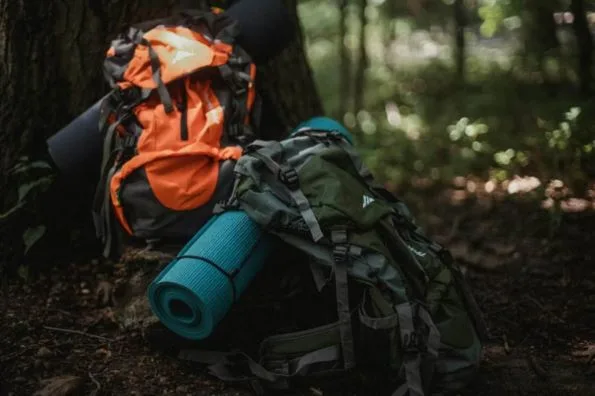
A durable and well-fitted backpack is essential for carrying your gear comfortably. Choose a pack with padded straps and a supportive hip belt. A 30–40 liter backpack is ideal for daily essentials. Larger packs may be needed if porters are unavailable to carry additional items.
Compartmentalized designs make it easier to access important items quickly. A rain cover protects your belongings from sudden showers. Comfort and weight distribution reduce back strain during long hikes. A suitable backpack ensures you can carry all essentials efficiently throughout the trek.
4. Sleeping Bag
A high-quality sleeping bag is vital for surviving cold nights on Kilimanjaro. Choose a bag rated for at least -10°C (14°F) to withstand freezing temperatures. Down bags are lightweight and warm, while synthetic bags are moisture-resistant. A mummy shape conserves heat and fits easily into your backpack.
Adding a liner provides extra warmth and protects the sleeping bag from dirt. Restful sleep is crucial for acclimatization at high altitude. Cold nights without proper insulation can reduce energy and morale. Bringing the right sleeping bag ensures comfort and safety during every night on the mountain.
5. Trekking Poles
Trekking poles improve stability on uneven and steep trails. Adjustable poles allow you to set a comfortable height for different terrain. Poles reduce stress on knees and joints during long ascents and descents. They also help maintain balance on slippery or rocky paths.
Lightweight aluminum or carbon fiber poles are strong and portable. Using trekking poles distributes effort between arms and legs. They help preserve energy and improve endurance throughout the climb. Experienced climbers often consider poles essential for a safer, less tiring trek.
6. Hydration Gear
Staying hydrated is essential for high-altitude trekking. Carry at least two liters of water using bottles or hydration packs. Drinking small amounts frequently helps prevent headaches and fatigue. Proper hydration ensures your body functions optimally if you want to Climb Kilimanjaro efficiently.
Water purification tablets or filters ensure access to safe drinking water. Regular hydration reduces the risk of altitude sickness and exhaustion. Easy access to water prevents unnecessary delays or discomfort. Proper hydration improves both performance and overall comfort on the mountain.
7. Food and Snacks
Pack lightweight, high-energy snacks to maintain energy between meals. Trail mix, energy bars, and dried fruit are easy to carry. Snacks provide essential calories during long trekking sections. Including electrolyte powders helps replace lost salts from sweating.
Meals are usually provided on guided treks, but personal snacks are still important. They help keep morale high and energy levels stable. Carry foods that are easy to eat on the go. Smart snacking contributes significantly to endurance and overall enjoyment.
8. Protective Headwear
A hat or cap protects your face from the strong sun at high altitude. Wide-brimmed hats prevent sunburn during the day. Thermal beanies are necessary for cold mornings and nights. Layering headwear allows adjustment based on temperature changes.
Head protection helps maintain body heat and prevents sunstroke. It adds comfort while trekking in varied climates. Proper headwear reduces exposure to extreme weather conditions. This simple gear is essential for safety and convenience during the climb.
9. Insulated Gloves
Cold hands can make trekking difficult and uncomfortable. Layered gloves are recommended for warmth and dexterity. Lightweight liners provide flexibility, while insulated outer gloves protect against cold. Wearing proper gloves ensures you can Climb Kilimanjaro without discomfort or injury.
Gloves make it easier to hold trekking poles and manage gear. Warm hands reduce the risk of frostbite at high altitudes. Proper gloves maintain circulation and comfort in extreme conditions. Bringing insulated gloves ensures safety and usability throughout the trek.
10. Quality Sunglasses
High-altitude UV exposure can be harmful to your eyes. Wraparound sunglasses with UV protection shield eyes from sun and snow glare. Polarized lenses reduce reflections and improve visibility. Carry a protective case to prevent damage during hiking and transport.
Protecting your eyes reduces the risk of snow blindness. Sunglasses increase comfort when trekking in bright sunlight. They are essential for safety on glaciers or snowy sections. Investing in quality sunglasses ensures long-term eye protection and better visibility.
11. First Aid Kit
A compact first aid kit is essential for minor injuries and emergencies. Include blister pads, bandages, antiseptic wipes, and painkillers. Add altitude sickness medication if recommended by your guide. A personal first aid kit is necessary to Climb Kilimanjaro safely and confidently.
Personal first aid preparation reduces risk during long treks. Guides carry additional supplies, but your kit adds peace of mind. It also allows you to respond quickly to small problems before they escalate. A well-stocked first aid kit contributes significantly to safety on Kilimanjaro.
12. A Headlamp
A reliable headlamp is important for nighttime activities and early starts. Adjustable brightness and long battery life are essential features. Headlamps allow hands-free illumination for trekking or campsite tasks. Always carry spare batteries to avoid running out of light at night.
Nighttime lighting ensures safety when walking on uneven terrain. It also helps during tent activities and emergencies. A headlamp keeps your journey manageable after dark. Proper lighting is a small but critical piece of essential Kilimanjaro gear.
13. Lightweight Camera
Capturing your Kilimanjaro journey is highly rewarding. Lightweight, durable cameras are ideal for trekking without adding extra weight. Smartphones with good cameras can work, but a dedicated device often performs better. Protect your camera with waterproof cases to avoid damage.
Photographs serve as lasting memories of your achievement. A camera allows you to document landscapes, wildlife, and summit moments. Choosing a compact camera balances quality and portability. Having one ensures you capture your adventure safely and effectively.
Conclusion
Packing properly is a key to a successful Kilimanjaro climb. Selecting the right clothing, footwear, and essential gear ensures safety and comfort. Hydration, nutrition, and protective equipment help maintain energy and prevent altitude-related issues. If you want to Climb Kilimanjaro successfully, preparation is essential for both safety and enjoyment.
Weather and terrain vary greatly on Kilimanjaro, so versatile, high-quality gear is essential. Proper packing reduces risk and improves endurance throughout the trek. After summiting, many travelers extend their journey to experience Tanzania Safaris and Zanzibar Beach for wildlife adventures and beach relaxation. Thoughtful preparation makes the journey safer, more comfortable, and unforgettable.