What to Check Before Choosing a Medical Vacuum Sealer?
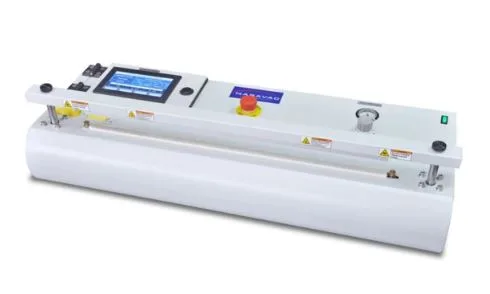
A medical vacuum sealer is an important device used in hospitals, laboratories, clinics, and pharmaceutical facilities. It removes air from packaging and creates airtight seals that protect medical tools and supplies from contamination. Proper sealing helps maintain hygiene standards and extends the shelf life of sterile products during storage. Choosing the right machine ensures safety, efficiency, and reliable packaging performance.
Healthcare facilities have different packaging needs depending on their size and daily workload. Large hospitals may need high-capacity machines, while smaller clinics may prefer compact models for occasional use. Understanding product specifications helps buyers avoid costly mistakes and improve workflow efficiency. A well-chosen sealer supports long-term reliability and patient safety.
Sterilization Standards
Sterilization compatibility should always be checked before purchasing a medical vacuum sealer. Medical tools may require steam sterilization, ethylene oxide treatment, or radiation sterilization. The machine must support packaging materials that can withstand these processes without damage. Proper sterilization compatibility ensures medical items remain safe for use.
Buyers should also verify certifications and regulatory approvals before making a purchase decision. Machines that meet ISO standards or FDA guidelines provide greater reliability in healthcare environments. These certifications confirm that the equipment follows strict safety requirements. Compliance reduces risks and improves confidence in packaging performance.
Sealing Strength and Quality
Strong seals are necessary to maintain the safety of packaged medical instruments and supplies. Weak seals may break during transportation or storage, exposing products to contamination. Durable seals help preserve sterile conditions until the package is opened. This directly supports patient safety and healthcare quality standards.
Look for machines that provide consistent sealing pressure and adjustable heat settings. Different packaging materials may require different sealing temperatures for effective results. A uniform seal prevents air leaks and moisture entry into the package. Reliable sealing performance reduces waste and product damage.
Vacuum Performance
Vacuum performance determines how effectively the machine removes air before sealing packages. Proper air removal helps prevent bacterial growth and oxidation inside medical packaging. This is especially important for sensitive medical instruments and sterile supplies. Strong vacuum performance improves product preservation and safety.
Adjustable vacuum settings are useful for handling different medical materials and packaging types. Delicate products may require lower suction levels to prevent damage during sealing. High-performance machines provide consistent vacuum pressure in every cycle. A cleanroom vacuum sealer is especially useful in environments requiring advanced contamination control.
Material Compatibility
Medical vacuum sealers should support various packaging materials used in healthcare facilities. These may include sterilization pouches, laminated films, and medical-grade plastic materials. Compatibility ensures that packaging remains secure during storage and sterilization. It also provides flexibility for different operational needs.
Using incompatible materials can lead to weak seals or damaged packaging products. Buyers should confirm the machine works with the materials they regularly use. Versatile machines allow organizations to manage different packaging requirements easily. This improves operational convenience and reduces packaging issues.
Ease of Operation
A user-friendly machine can save time in busy healthcare settings where efficiency matters. Simple controls help employees operate the equipment without extensive training requirements. Digital displays and preset programs make the process easier and faster. Easy operation reduces mistakes and improves productivity.
Automated features can further improve convenience in medical facilities. Automatic sealing adjustments reduce manual work and ensure consistent results. Error alerts help users quickly identify technical problems. Easy-to-use machines improve workflow efficiency in demanding environments.
Maintenance Requirements
Regular maintenance is necessary to keep a medical vacuum sealer functioning properly. Machines should be easy to clean to maintain hygiene standards in healthcare settings. Removable components simplify cleaning and reduce maintenance time. Proper maintenance helps extend equipment lifespan.
Buyers should also consider the availability of replacement parts and service support. Machines requiring frequent repairs may increase downtime and operational costs. Durable equipment reduces maintenance expenses over time. Reliable service support ensures smooth long-term performance.
Safety Features
Safety features protect operators and maintain safe packaging operations in healthcare environments. Machines should include built-in systems that reduce risks during daily use. Proper safety measures help prevent accidents and equipment damage. This improves workplace safety and operational reliability.
Important safety features may include:
- Overheat protection
- Automatic shut-off systems
- Pressure control settings
- Emergency stop buttons
- Insulated sealing bars
Size and Capacity
The size of the machine should match the available workspace in the facility. Large machines may be ideal for hospitals with heavy packaging demands. Smaller clinics may prefer compact equipment that fits limited spaces. Choosing the right size improves convenience and workflow.
Capacity is equally important when selecting medical vacuum sealing equipment. High-capacity machines can process larger volumes of products in less time. Low-capacity machines may be sufficient for smaller operations. Matching capacity with workload prevents unnecessary expenses.
Speed and Efficiency
Fast sealing performance is important in healthcare settings where time-sensitive operations occur daily. Quick machines help staff package products efficiently without creating workflow delays. Faster cycle times improve productivity in busy departments. This helps organizations manage large workloads effectively.
Efficiency should never compromise seal quality or safety standards. A balanced machine offers both speed and consistent packaging performance. Automated processes can reduce labor requirements and improve output. Efficient machines save time and operational costs.
Cost and Long-Term Value
Initial pricing is important, but long-term value should also be carefully evaluated. Cheap machines may lead to frequent repairs and reduced performance over time. Higher-quality equipment often provides better durability and reliability. Investing wisely reduces future operational expenses.
Warranty coverage and energy efficiency should also be considered before purchasing. Machines with strong warranties offer better protection against unexpected repair costs. Energy-efficient models help reduce utility expenses over time. Long-term value ensures better financial returns.
What Sets Nasavac Apart?
Nasavac is a packaging solution expert serving medical, pharmaceutical, and cleanroom industries with reliable vacuum sealing systems. The company focuses on protecting products through secure packaging solutions that support sterility and operational efficiency. Their machines are built to meet industry standards while helping businesses maintain safe packaging processes. This makes it a trusted choice for organizations seeking dependable packaging support.
In addition to quality equipment, it provides expert guidance for businesses with unique packaging requirements. Their team helps clients select suitable machines based on production needs and packaging challenges. They offer customized solutions that improve efficiency, product safety, and long-term performance. With strong customer support and industry knowledge, Nasavac delivers reliable packaging expertise.
Conclusion
Choosing the right medical vacuum sealer requires careful attention to several important features. Sterilization compatibility, sealing strength, vacuum performance, and safety features all affect performance. Buyers should evaluate their facility’s specific packaging needs before making a decision. Proper research leads to better equipment selection.
A high-quality machine improves efficiency, protects medical supplies, and supports healthcare hygiene standards. It reduces contamination risks and ensures reliable packaging for critical medical tools. Investing in the right equipment provides long-term operational benefits. Smart decisions lead to safer healthcare environments.