What to Eat and Avoid After Root Canal Treatment
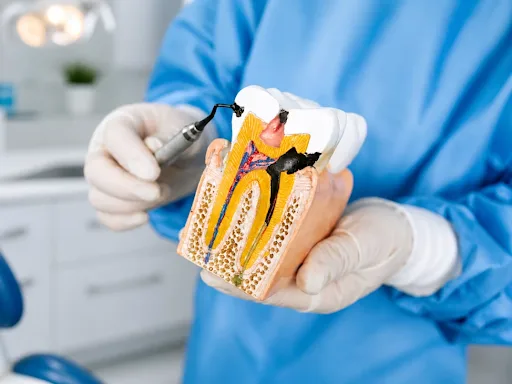
Most people walk out of a root canal appointment thinking the hard part is over — and they’re right, mostly. But what happens in the next 48 to 72 hours, particularly what you eat and how you treat your body, shapes how smooth or rough the rest of that recovery feels. A bowl of ice cream chosen carelessly or a habit of chewing on the treated side can turn manageable soreness into a week of unnecessary discomfort.
Root canal procedures have come a long way. Modern endodontic techniques make the experience far more routine than their reputation suggests, but the tissue inside the tooth and the surrounding structures still need genuine time to heal afterward. That healing doesn’t happen in a vacuum — it’s directly influenced by the physical stresses you place on the area, including the temperature, texture, and nutritional content of what you eat.
For anyone navigating recovery right now, or preparing for an upcoming procedure, understanding the *why* behind dietary recommendations makes them much easier to follow. It also helps you make smarter decisions in the gray areas — the moments when you’re hungry and unsure whether that particular food is a good idea. This article walks through the biological reasons diet matters, which foods actively support healing, how to manage pain and swelling through what you eat and a few simple habits, and what your body should be doing as recovery progresses.
How Diet Influences Root Canal Recovery
The discomfort after a root canal isn’t random. During the procedure, the inflamed or infected pulp tissue is removed and the interior of the tooth is cleaned, shaped, and sealed. That process, while necessary, creates a localized inflammatory response in the surrounding periapical tissue — the area just beyond the root tip. Your immune system sends blood flow and repair cells to that region, which is why tenderness and mild swelling are completely normal in the first few days.
What you eat either supports or disrupts that process. Inflammation is the key mechanism here. Certain foods — particularly those high in refined sugars and processed fats — promote systemic inflammatory responses that can amplify localized tissue irritation. Conversely, foods rich in vitamins C and A, zinc, and protein support collagen synthesis and cellular repair, the same biological pathways that rebuild soft tissue after any wound.
Temperature plays a role too. Extreme heat or cold affects the nerve endings in the surrounding tissue, which are already sensitized after treatment. A freshly treated tooth also sits beneath a temporary or permanent filling that, in the early days, hasn’t fully integrated with your bite mechanics. Chewing hard or crunchy foods puts uneven pressure on that restoration before the surrounding tissue has stabilized — a bit like pressing on a fresh bruise.
There’s a practical scenario worth picturing here: imagine eating a handful of chips two days after your procedure. The crunching motion creates repeated impact on a tooth whose supporting structures are mid-repair, the salt irritates any gum sensitivity, and the sharp edges can catch the margin of a temporary crown. None of these things are catastrophic individually, but together they extend discomfort and introduce unnecessary risk. Diet choices aren’t incidental to recovery — they’re active inputs into how the healing unfolds.
Recommended Foods and What to Avoid After a Root Canal
The first 48 to 72 hours call for the most careful attention. After that, you can gradually reintroduce more variety as soreness fades.
Foods that actively support recovery tend to share a few qualities: they’re soft enough to require minimal chewing pressure, they’re nutritionally dense, and they don’t introduce temperature extremes. Think yogurt, mashed sweet potatoes, scrambled eggs, smoothies, oatmeal, soft-cooked fish, avocado, and broth-based soups served at lukewarm temperatures. These options deliver the protein, healthy fats, and micronutrients the body needs for tissue repair without creating mechanical stress at the treatment site. Bananas and soft-cooked lentils are underrated here — both provide potassium and protein in formats that need almost no chewing.
Foods to avoid fall into a few clear categories. Hard and crunchy textures — nuts, raw carrots, crackers, crusty bread — generate the kind of bite force that strains the treated area. Sticky foods like caramel, chewy candy, or even peanut butter can pull at a temporary crown or filling. Very hot beverages and foods increase blood flow to already-inflamed tissue, which amplifies throbbing discomfort. Very cold foods can trigger sharp sensitivity in surrounding teeth. Spicy foods irritate soft tissue and can cause gum sensitivity to flare.
Alcohol deserves specific mention: it can interact with prescription pain medication and also dilates blood vessels in a way that increases swelling. If antibiotics are part of your post-procedure protocol — which a root canal dentist may prescribe when infection was present before treatment — alcohol interferes with their effectiveness and should be avoided entirely during that course.
Managing Symptoms Through Diet and Habits
Understanding what to eat is one lever. How you manage your physical state in the hours and days after the procedure is the other — and the two work best in combination.
Pain and Swelling Relief
The mild to moderate soreness most people experience peaks around 24 to 48 hours after treatment and then gradually subsides. Diet can help modulate that curve. Soft, cool foods — not ice-cold, but gently chilled — provide mild numbing relief to irritated gum tissue without triggering thermal sensitivity. Think room-temperature yogurt or a slightly cooled smoothie rather than ice cream straight from the freezer.
Anti-inflammatory foods have a meaningful supporting role. According to research published in journals covering nutritional biochemistry, omega-3 fatty acids found in foods like salmon and flaxseed help modulate the body’s inflammatory signaling pathways. Incorporating these into soft-food meals during recovery provides both nutritional support and a degree of systemic anti-inflammatory benefit.
A cold compress applied to the cheek — 20 minutes on, 20 minutes off — remains one of the most effective, evidence-supported tools for controlling external swelling in the first 24 hours. It works by constricting local blood vessels, reducing the fluid accumulation that causes puffiness and pressure. This complements dietary choices rather than replacing them.
Rest and Lifestyle Tips
Physical exertion raises blood pressure and heart rate, which increases blood flow to healing tissue and amplifies throbbing pain. Strenuous activity — exercise, heavy lifting, anything that significantly elevates your pulse — is best avoided for at least the first 48 hours. This isn’t overly cautious; it’s basic wound physiology.
Sleep and rest are when the body devotes the most resources to cellular repair. Elevating your head slightly while sleeping (an extra pillow works) reduces blood pooling in the facial area, which helps keep overnight swelling manageable. Smoking impairs healing at nearly every stage — it restricts oxygen delivery to tissue and interferes with immune function — so avoiding it during recovery is strongly advisable.
Signs of Successful and Complicated Recovery to Watch For
Knowing what normal looks like makes it much easier to recognize when something isn’t right.
Normal recovery typically involves mild to moderate tenderness when biting or touching the area, some jaw soreness from keeping your mouth open during the procedure, and possibly minor swelling in the cheek or gum for a few days. These symptoms trend downward. By the end of the first week, most patients feel significantly better and can eat a broader range of foods without discomfort.
Complications follow a different pattern. Pain that intensifies rather than gradually improves after the third day warrants attention. Swelling that spreads — toward the neck, beneath the jaw, or visibly expanding rather than receding — is a red flag that should not be dismissed. A fever, even a low-grade one, combined with worsening pain suggests a developing infection. A foul taste in the mouth or discharge near the tooth can indicate that bacteria are present in the treated area.
One easily missed warning sign: the temporary filling shifting or feeling “off” in your bite. A high bite puts uneven pressure on the treated tooth with every chew, which delays healing and can cause referred pain that mimics complications. If something feels different about how your teeth come together, that’s worth a call to the dental office.
It’s also worth knowing that, in a small number of cases, a tooth that was treated successfully can still develop a new infection months or years later. Persistent or recurring symptoms long after recovery should always be investigated rather than assumed to be residual sensitivity.
Long-Term Dietary and Care Tips for Root Canal Success
Once the acute recovery phase passes — typically after one to two weeks — the focus shifts from comfort to protection.
A root canal-treated tooth no longer has its internal nerve supply, which means it loses some of the early-warning sensitivity that flags problems in living teeth. This makes consistent oral hygiene and regular professional monitoring more important, not less. Brushing twice daily, flossing around the treated tooth, and maintaining scheduled check-ups allow potential issues to be caught before they escalate.
Diet-wise, the long-term goal is avoiding habits that mechanically stress a tooth that, if treated with a crown, still depends on the integrity of that restoration. Habitual crunching on ice, biting fingernails, or using your teeth to open packaging all pose higher-than-usual risk to a restored tooth. These aren’t dramatic changes — just the kind of conscious habits that compound into real long-term protection.
One question worth sitting with: if the treated tooth currently has only a temporary restoration, has a permanent crown been scheduled? Temporary fillings aren’t designed to last indefinitely, and delaying the permanent restoration is one of the most common reasons a successful root canal eventually fails. The procedure preserves the tooth — the follow-through protects the investment.