What to Know Before Choosing Lab Grown Diamonds
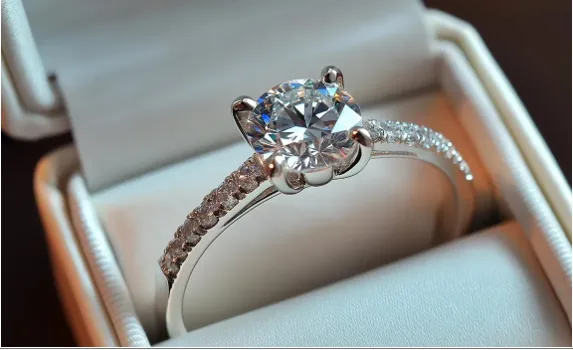
Lab grown diamonds Adelaide are real diamonds made in a lab, with the same hardness and sparkle as mined ones, and they usually cost noticeably less. Before you choose, check four things: the certificate, the 4Cs, the setting, and the return policy.
What to know before choosing
The stone itself is a diamond — chemically and optically identical to a mined one. Ask for a grading report from a recognized lab such as GIA or IGI, because that report proves what you’re buying.
Lab Grown vs Mined: The Real Differences
| Feature | Lab grown | Mined |
| Hardness | Same | Same |
| Typical price | Lower | Higher |
| Origin paperwork | Lab certificate | Mine-to-market chain |
| Resale value | Weaker | Stronger |
Resale is the honest trade-off. If you might sell later, mined stones usually hold value better; if you want more size for your budget and plan to keep the piece, lab grown wins.
Mistakes That Cost Buyers Money
- Buying without a certificate. An uncertified stone can’t be verified or insured properly.
- Chasing carat size only. A bigger, poorly cut stone looks dull next to a smaller, well-cut one.
- Skipping the return window. Check it before you pay, not after.
- Assuming all labs grade the same. They don’t, so ask which one graded your stone.
When to Get a Jeweller Involved
Setting a stone in lab grown diamonds earrings, resizing a band, and checking a claw setting are jobs for a jeweller, not a home project. If you’re buying online, have the finished ring inspected before the return period ends.
Tip: Ask to see the stone under a loupe in daylight before you commit — photos hide inclusions.
Pick your certificate first, then your stone, then your setting — that order keeps you from overpaying. Before buying, ask the seller which lab graded the diamond and what the return window is, and get both answers in writing.
Frequently Asked Questions
Why Does My Lab Grown Diamond Look Cloudy?
A cloudy look usually comes from the cut, not the stone’s origin. Too shallow or too deep a cut lets light leak out instead of bouncing back, so the diamond looks dull even in a good grade. Ask the seller for the cut grade on the report — if it’s marked fair or poor, walk away.
Can I Insure a Lab Grown Diamond?
Yes, most insurers cover them, but you’ll need the grading report and a receipt. Cover is usually based on replacement cost, which for lab grown stones is lower than mined ones, so your premium is often smaller too. Tell the insurer it’s lab grown when you take out the policy.
Do Lab Grown Diamonds Ever Lose Their Sparkle?
No — the material doesn’t fade or yellow over time. What dulls a ring is dirt and skin oil on the underside of the stone, which a soft brush and warm soapy water clears.
Conclusion
Take your time comparing a few stones side by side, and don’t be shy about asking questions. Once you’ve found one that feels right, you’ll enjoy wearing it for years. It’s a purchase you’ll look at every day, so trust your own eyes.