What to Throw Away After Smoke Damage (and What You Can Keep)
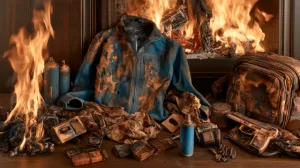
After smoke damage, the items you usually need to throw away are exposed food, affected medicines, anything that touches the mouth or broken skin, and belongings that have been physically altered by heat: melted plastic, charred fabric, warped particleboard, cracked dishes. What you should not reflexively toss is clothing, electronics, furniture, and valuables, because many of those can be cleaned or professionally restored. This guide is for homeowners sorting through belongings after a kitchen fire, a house fire, or wildfire smoke that drifted indoors.
Here’s the part people get wrong: smoke odor alone does not mean an item is lost. A lingering smell is not the same as visible soot, heat exposure, or firefighting chemicals. So before you start filling trash bags, photograph everything and check with your insurer. The simplest way to think about it is three piles: discard, isolate for assessment, or clean and reassess.
Before You Throw Anything Away, Take These Four Steps
The overriding rule: photograph and inventory damaged property before discarding it, unless keeping an item creates an immediate health or safety hazard. California’s Department of Insurance advises policyholders to wait for adjuster authorization before throwing possessions out, since discarded items are hard to claim.
- Wait for official clearance to re-enter. Don’t go back inside until fire officials confirm the structure is safe.
- Wear appropriate PPE. FEMA recommends gloves, eye protection, and a properly fitted respirator before handling soot or ash.
- Photograph every room and every damaged item before you touch anything. Wide shots and close-ups both help.
- Contact your insurer and ask what documentation they need and when you’re cleared to dispose of items.
The 60-Second Smoke-Damage Decision Test
Not all smoke exposure is equal, and that single idea shapes every decision below. FEMA sorts conditions into none, light, moderate, heavy, and visible structural fire damage, with professional restoration recommended once heavy residue persists or structure is involved. Particle size explains why ordinary dusting falls short: soot runs around 0.1 micrometer and ash roughly 1 to 10 micrometers, small enough that dry dusting and shop vacuums push it back into the air instead of removing it.
Run each item through these seven questions:
- Is it consumed or used medically?
- Is there visible soot or ash on it?
- Was it exposed to heat or firefighting chemicals?
- Is the material porous (foam, paper, unfinished wood, upholstery)?
- Can every surface be reached and cleaned?
- Will a vulnerable person use it (infant, pregnant, elderly, immunocompromised, or someone with heart or respiratory conditions)?
- Is it replaceable or irreplaceable?
Your answers point to one of three actions: discard it, isolate it for professional assessment, or clean it and reassess.
What You Should Usually Throw Away After Smoke Damage
Consumables and physically altered items are the clearest discards. When exposure is uncertain and the item goes in a mouth or on broken skin, lean toward replacement.
Open or permeably packaged food
Throw out open pantry goods, anything in cardboard, plastic wrap, or paper packaging, produce exposed to fumes or ash, and any food touched by firefighting chemicals. Soft packaging doesn’t decontaminate reliably. Never taste food to test it: contamination can be present even when appearance and smell seem normal.
Questionable refrigerated and frozen food
Perishables left above safe temperature for more than four hours during a power outage should generally go. Discard thawed food and anything inside a refrigerator that smoke infiltrated. Don’t rely on smell as your safety check.
Smoke- or heat-exposed medicines and cosmetics
Replace prescriptions and over-the-counter medicine exposed to smoke, soot, heat, water, or extinguisher residue. Heat can degrade medications and damage delivery devices. For an essential prescription, call your pharmacist or clinician right away so you have a replacement plan rather than stopping a drug cold. Open cosmetics and toiletries exposed to heat or smoke usually belong in the trash too.
Affected baby-feeding and respiratory products
FEMA favors replacing rather than cleaning bottles, pacifiers, teethers, and feeding equipment when they’ve been affected. The same applies to CPAP masks, oxygen tubing, and similar soft medical parts. Contact your equipment provider before reusing anything.
Burned, melted, warped, or structurally weakened belongings
Heat-altered plastic, charred fabrics, cracked dishes, swollen particleboard, and badly corroded metal should be documented and discarded. Physical alteration is a stronger replacement signal than odor alone. One nuance on pantry food: FEMA notes most unopened boxed and canned goods may be wiped clean after light smoke with no visible deposition, but apply the stricter discard rule whenever there’s visible residue, real heat, or suppression chemicals, and check local public-health guidance first.
What You Should NOT Throw Away Without an Assessment
Plenty survives smoke damage. These categories deserve a closer look before anything hits the curb.
Clothing, bedding, and curtains
Washable textiles are often restorable after light or moderate exposure through laundering and HEPA vacuuming. Reserve disposal for items that are charred, melted, structurally weakened, heavily contaminated, or still smell strongly after cleaning.
Mattresses, carpet, and upholstered furniture
Surface soot on these may be treatable. The problem is depth: a mattress or sofa saturated with smoke or firefighting water is a poor candidate because residue hides in the padding and mold can follow. Judge these case by case.
Electronics and appliances
Do not turn them on. Powering contaminated or wet equipment can worsen the damage or create a shock hazard. Isolate each item and record make, model, and serial number for a qualified inspection.
Photographs, documents, artwork, and heirlooms
Don’t discard irreplaceable paper or images, and don’t rub soot off them, which embeds it deeper. The Library of Congress notes that a conservator can often stabilize and restore smoke- or soot-damaged materials. Isolate them and handle as little as possible.
Glass, ceramic, metal, and sealed hard surfaces
Intact nonporous objects are usually cleanable. Wash them thoroughly, then inspect for heat cracks, deformation, corrosion, or spots you simply can’t reach.
When Is Smoke Damage Too Extensive for DIY Cleanup?
Stop and call a professional when you see heavy visible soot across multiple rooms, residue in HVAC equipment or ducts, burned construction materials, or persistent residue that keeps returning after cleaning. Also escalate if you suspect asbestos, lead, or other hazardous debris, or if an occupant has significant respiratory or medical vulnerability. Ash from burned structures can contain lead, arsenic, and asbestos. EPA and LA County both favor damp cleaning and HEPA-filtered vacuums over dry sweeping, which just re-suspends fine particles. Two common mistakes make things worse: running the HVAC before bulk soot is removed spreads residue through the house, and EPA warns against ozone generators in occupied homes because ozone irritates the lungs.
When soot is widespread, residue has entered the HVAC system, or the fire affected walls and structural materials, a licensed restoration assessment is safer than sorting everything alone; Southern California homeowners can use the service scope described by Golden Coast Construction & Restoration as one regional example while comparing credentials, references, and written estimates.
- Verify the contractor’s CSLB license is active and in good standing.
- Check references from recent fire-restoration jobs.
- Obtain multiple bids rather than signing with the first caller.
- Insist on a detailed written contract.
How to Document and Dispose of Smoke-Damaged Items
Good records protect your claim. California’s Department of Insurance recommends keeping a running claim log as you work.
- Photograph each item on its own and in the room where it was damaged.
- Record brand, model, age, condition, and estimated replacement price.
- Keep receipts and serial numbers wherever you can find them.
- Get written disposal authorization from your insurer when it’s required.
- Double-bag discarded food and light ash before removal.
- Follow local rules for asbestos, chemicals, batteries, electronics, propane cylinders, and household hazardous waste.
California public-health guidance recommends sealing ash and debris in bags or containers and checking your county’s specific disposal instructions.
When Smoke Cleanup Becomes a Reconstruction Project
Sometimes the loss goes past removable possessions. Smoke and heat can ruin drywall, insulation, flooring, cabinets, attic materials, HVAC components, and framing and finishes. The professional standards here are worth knowing: ANSI/IICRC S700 covers assessment, work plans, documentation, residue cleaning, and odor management, while S590 covers professional HVAC assessment after fire damage and whether components are restorable.
If the assessment finds that smoke-damaged insulation, drywall, flooring, or framing must be removed and rebuilt, a provider that handles both remediation and reconstruction, such as Golden Coast Construction & Restoration in California, can provide a useful benchmark for the scope questions homeowners should ask before signing a contract. Verify licensing and insurance, get multiple written bids, and make sure the contract clearly separates cleaning, demolition, disposal, testing, and reconstruction.
Frequently Asked Questions
Do I have to throw away all my food after a house fire?
No. Sealed, undamaged metal cans and glass jars can often be cleaned on the outside and kept, as long as they aren’t bulging, leaking, badly dented, cracked, or heat-damaged. Discard open or permeably packaged items and anything exposed to heat or firefighting chemicals.
Can smoke-damaged clothes be washed and worn again?
Often yes, after light or moderate exposure, through careful laundering. Throw out clothing that is charred, melted, structurally weakened, or still smells strongly after you’ve tried cleaning it.
Should I throw away my mattress after smoke damage?
It depends. Light surface soot may be treatable, but a mattress saturated with smoke or firefighting water is usually a poor candidate because residue and mold hide inside the padding.
Are electronics safe to use after smoke exposure?
Don’t power them on. Smoke residue and moisture can cause damage or a shock hazard when energized. Isolate each device for a qualified inspection and record the serial numbers.
Should I throw away damaged belongings before the insurance adjuster comes?
Generally no. Photograph and inventory everything first, then wait for your insurer’s authorization, unless an item poses an immediate health or safety hazard.
The Bottom Line: Make a Risk-Based Decision, Not an Odor-Based One
Discard consumables and sensitive products whenever exposure is uncertain, especially food, medicine, and anything that touches the mouth. Don’t throw away valuable or potentially restorable property before you’ve documented it and heard from your insurer. And escalate heavy soot, HVAC contamination, structural damage, and hazardous debris to qualified, licensed professionals. Document, classify, then decide, and you’ll avoid both the dangerous keep and the needless loss.