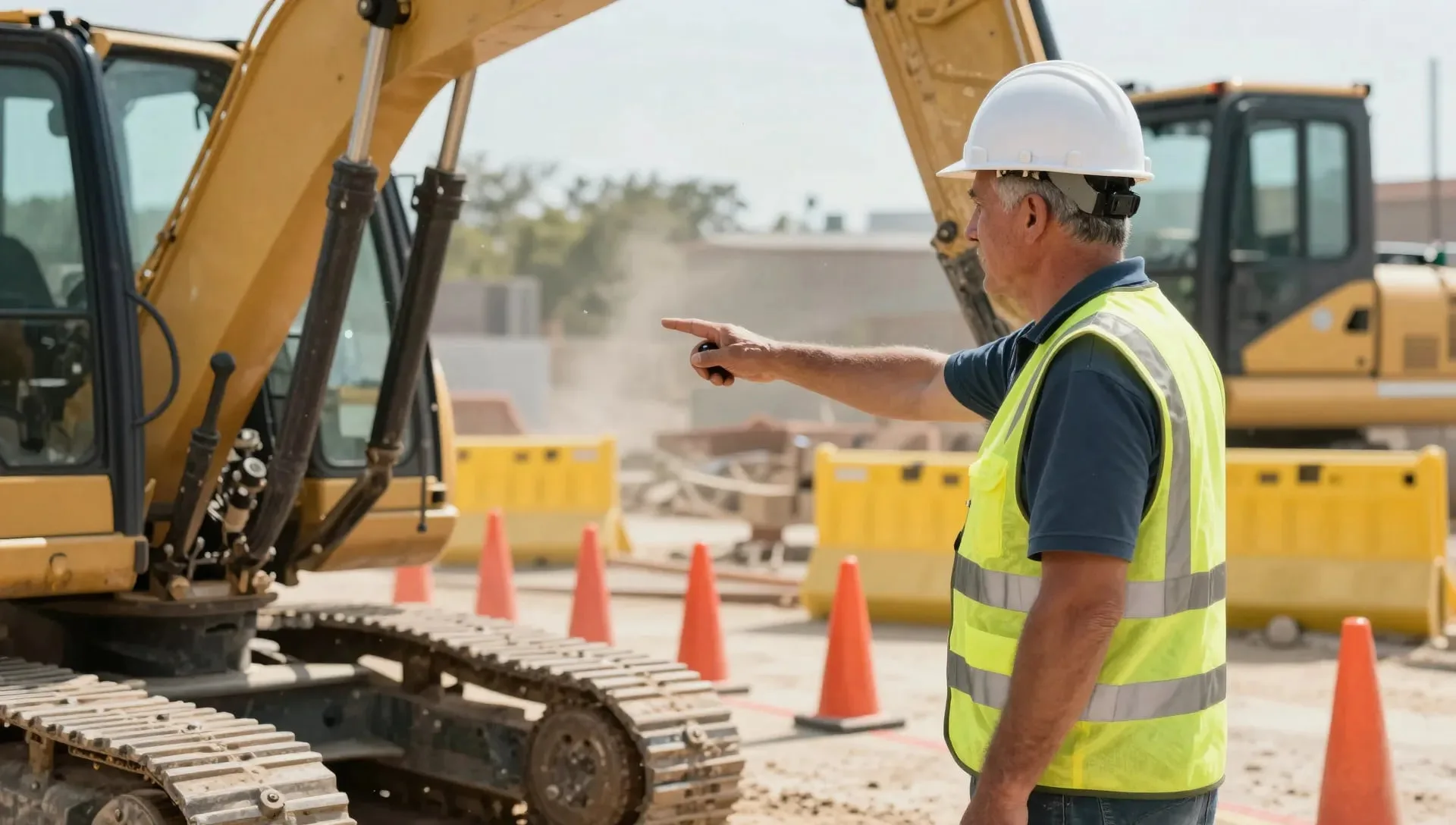
What Training Do Construction Workers Need?
Construction work is physically demanding and often dangerous. From working at height and handling hazardous substances to operating heavy machinery, each task brings its own set of risks. In the UK, employers must provide the right training to reduce these risks and meet legal duties under the Health and Safety at Work etc. Act 1974. But what training do construction workers really need to do the job safely?
This guide outlines the types of training most commonly required, how they apply to different roles on site and why they matter for safety, compliance and productivity.
1. Health and Safety Basics for All Workers
Every worker on a construction site needs a firm grasp of general health and safety practices. This includes knowledge of common hazards such as slips, trips, falls, manual handling injuries, noise exposure and respiratory risks. General training helps workers identify potential dangers and take basic preventive measures.
A common starting point is the CITB Health and Safety Awareness course, which provides the knowledge required for obtaining a green Construction Skills Certification Scheme (CSCS) card. This card is a basic requirement on many UK construction sites, confirming that the holder understands site safety protocols.
Workers should also receive training in accident reporting, emergency procedures and the correct use of personal protective equipment (PPE). Manual handling training is essential, given the frequency of lifting and carrying on site. Poor technique can lead to musculoskeletal injuries that are often preventable with the right instruction.
Falls from height remain a major cause of fatalities in construction. That’s why workers who use ladders, scaffolding or mobile platforms need Working at Height training. It covers how to inspect equipment, use fall protection and avoid unsafe practices.
Tool safety is another core concern. Anyone using angle grinders, disc cutters or bench grinders should understand the hazards of rotating equipment. For this reason, many companies now enrol staff in online abrasive wheel training, which teaches proper selection, fitting and use of abrasive wheels. The online format offers flexibility, making it easier to train workers without affecting site productivity.
2. Job-Specific Training for Skilled Tasks
Once a worker progresses to a specific role, the training needs become more specialised. Each trade involves different tools, environments and hazards, so the training must match the risks.
Plant and Machinery Operators
Operators of large vehicles and machinery such as excavators, telehandlers and dumpers need formal certification. In the UK, this often comes through schemes like CPCS (Construction Plant Competence Scheme) or NPORS (National Plant Operators Registration Scheme). These schemes test practical competence as well as knowledge of safety procedures.
Scaffolders and Demolition Workers
Scaffolders require training under the CISRS (Construction Industry Scaffolders Record Scheme). This ensures they understand the correct procedures for assembling, modifying and dismantling scaffolding systems.
Demolition workers must learn how to manage the risks linked to structural instability, hazardous materials and noisy equipment. Training might include asbestos awareness, dust control and demolition sequence planning.
Electricians and Technicians
Temporary and permanent electrical installations must be handled by qualified electricians. These workers usually hold an ECS (Electrotechnical Certification Scheme) card and have completed relevant courses in electrical safety and installation standards.
The key is that training should never be generic. It must prepare workers for the exact challenges they’ll face on site.
3. Competency and Certification Schemes
UK construction sites rely heavily on industry-recognised certification schemes to verify worker competence. These schemes issue cards that confirm a worker’s skills, experience and safety knowledge.
The most widely used is the CSCS card, which is available in various colours depending on job role and qualification level:
- Green card: Basic site operative
- Blue card: Skilled worker
- Gold card: Supervisor
- Black card: Manager
Other specialist schemes include:
- CISRS for scaffolders
- ECS for electrical workers
- CPCS/NPORS for plant operators
These cards make it easier for employers and site managers to check credentials at a glance. They also help standardise safety levels across different sites and regions.
4. Training for Supervisors and Managers
Leadership roles in construction carry extra responsibilities. Supervisors and managers must not only follow safety rules themselves but also ensure that others do the same.
For site supervisors, the Site Supervisor Safety Training Scheme (SSSTS) is a common requirement. This two-day course teaches how to monitor health and safety on site, conduct briefings and maintain safety culture.
For site managers, the Site Management Safety Training Scheme (SMSTS) goes further. It addresses how to plan and manage work in line with regulations, including managing contractors, preparing site documentation and ensuring legal compliance.
These roles are critical in maintaining site discipline and reducing the risk of accidents. Well-trained managers also contribute to better communication, coordination and problem-solving across the team.
5. Safety During Planning and Design
Safety starts long before any worker arrives on site. In the early design and planning stages, decisions made by architects, engineers and contractors have a major impact on risk levels throughout a project.
Under the Construction (Design and Management) Regulations 2015, key roles such as Principal Designer and Principal Contractor carry legal duties to identify and manage health and safety risks. These include:
- Planning safe access and traffic routes
- Coordinating between trades and suppliers
- Reducing manual handling through design choices
- Managing temporary works and sequencing
To meet these obligations, many professionals undertake Construction Design Management (CDM) Training. This training explains the legal framework of the CDM Regulations and how to apply them in real projects. It supports safer designs, more efficient planning and better collaboration across all stages of the build.
6. Mental Health Awareness and Behavioural Safety
While physical safety has long been a priority, mental well-being is now getting more attention in construction. The industry has high rates of stress, depression and even suicide, driven by long hours, job insecurity and workplace culture.
Many employers are now training Mental Health First Aiders who can spot signs of distress and guide colleagues towards support. These individuals receive instruction in active listening, mental health conditions and referral pathways.
Behavioural safety training is also becoming more common. This type of training focuses on improving the attitudes, habits and communication of workers. It encourages people to take ownership of safety and to speak up if they see something wrong.
A positive site culture — where workers feel respected and empowered — is just as important as equipment and procedures in preventing harm.