What Travelers Should Know Before Planning Their First African Safari
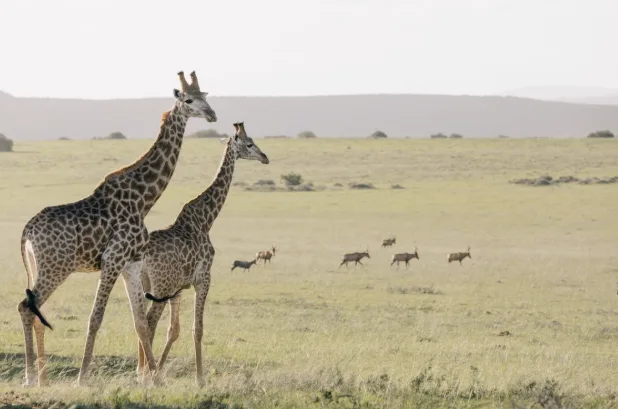
Over 70 million people visit Africa for safari each year, and planning a first trip requires a distinct mindset shift compared to standard international vacations. Traditional travel planning usually revolves around choosing central hotels, mapping out local public transit, and scheduling a few daily city tours. On a safari, your entire schedule revolves around wildlife movements, solar patterns, regional logistics, and precise timing across expansive bush environments.
First-time travelers often misjudge how vast these landscapes are and how demanding bush travel can be. Successful safari preparation relies on understanding how bush itineraries function, what weather shifts to expect, and how to allocate time across different ecosystems.
Deciding on Your Safari Destination and Timeline
Choosing the right location depends heavily on the experience you want and how many wildlife habitats you hope to explore. Regions across East Africa and Southern Africa offer vastly different landscapes, vehicle styles, and animal densities.
Kenya remains a top destination for first-time visitors because of its rich biodiversity and well-developed safari infrastructure. Parks like the Masai Mara, Amboseli, and Lake Nakuru showcase classic African vistas dominated by open plains and dramatic mountain backdrops. Balancing travel time between these reserves ensures you spend more days watching wildlife rather than sitting in long transit journeys.
A comprehensive trip like an 11 days Kenya Safari provides enough room to explore multiple iconic game parks without rushing. Spreading your stay across distinct geographic regions gives you a well-rounded look at changing vegetation, birdlife, and apex predators.
Understanding Seasonal Patterns and Wildlife Timing
Wildlife numbers fluctuate across distinct corridors based on seasonal rainfall patterns. Tracking these environmental triggers helps you set realistic expectations for what you will see on game drives.
Many travelers attempt to align their trips exclusively with famous events like the Great Migration crossings. While witnessing massive herds cross rivers is incredible, peak seasons also bring more visitors and busier park tracks. Visiting during shoulder seasons often yields exceptional game viewing with far fewer vehicles at key sightings.
Temperature swings throughout the day can surprise first-time safari guests. Morning game drives often start before dawn, when temperatures are crisp and cool, so pack light thermal layers or a windproof jacket. By midday, the equatorial sun raises temperatures substantially, so pack breathable clothing before cool evening breezes return.
What to Expect From Daily Safari Logistics
A typical safari day follows a structured tempo designed around animal behavior. Predators are most active in the early morning and late afternoon, when temperatures remain cool. Expect that:
- Dawn wake-up calls allow teams to enter game reserves right as nocturnal hunters retreat, and active game begins moving
- Midday hours are reserved for relaxing at camp, reading, or resting while animals seek shade during high heat
- Late afternoon game drives extended into dusk offer prime opportunities to spot elusive species starting their evening hunt
Small bush planes and custom four-wheel-drive safari vehicles handle most internal transfers between camps. Small charter aircraft strictly enforce luggage weight limits, usually requiring soft-sided bags that can squeeze easily into tight cargo holds.
Packing lightweight, moisture-wicking fabrics in muted neutral tones like khaki, olive, or tan keeps you comfortable while avoiding bright colors that startle wildlife or dark colors that attract insects. Working on your resource management skills is also useful ahead of a safari, as it ensures that you’re aligned with the complex logistics of the day, as opposed to overwhelmed by them.
Setting Realistic Expectations for Wildlife Sightings
Nature operates on its own terms, so patience is essential on any game drive. Professional guides possess deep tracking knowledge, but wild animals move freely across massive unfenced conservation areas.
Spending multiple consecutive nights in a single reserve dramatically increases your chances of observing rare animal behaviors. Staying longer lets your guide track specific prides or follow territorial movements across changing weather conditions. Quick single-night stays often result in spending more time checking in and out of camps than actually viewing animals.
Living alongside nature also means following essential camp safety protocols at all times. Staying inside designated vehicles during drives and relying on trained escorts after dark keeps both guests and wildlife safe. Respecting animal boundaries ensures natural behaviors continue uninterrupted.
Preparing Your Logistics for a Seamless Journey
Planning practical details well before departure prevents last-minute travel friction. Managing health recommendations, international entry forms, and currency needs months before departure helps ensure a smooth arrival.
Certain East African destinations require specific health documentation, including Yellow Fever vaccination certificates, depending on your flight path. Checking current entry rules and securing electronic travel authorizations well in advance saves valuable time at customs.
Cash remains useful for tipping camp staff, local guides, and trackers who work hard behind the scenes. Carrying crisp, recent bank notes in local currency or U.S. dollars ensures hassle-free transactions throughout your journey. Travel insurance covering unexpected flight shifts, medical evacuation, and gear protection adds essential peace of mind when traveling through remote wilderness regions.
Taking time to understand regional timing, packing constraints, and wilderness etiquette lays the ground for an unforgettable journey. We’ve got lots of other posts about travel to peruse, so stay here on our site.