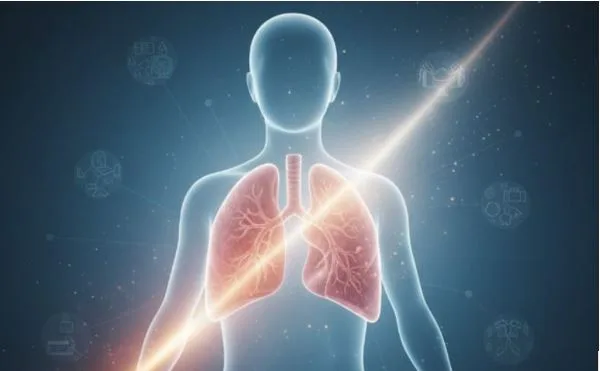
What You Should Know About Lung Cancer in 2025
Lung cancer remains one of the leading causes of cancer-related deaths worldwide, but the way we understand and treat it is changing rapidly. In 2025, doctors no longer see it as a single disease with a single path. Instead, it’s viewed as a group of different conditions, each with its own behavior, risk factors, and treatment options.
At its core, lung cancer begins when abnormal cells in the lungs start to grow uncontrollably. These cells can form tumors, spread to nearby tissues, and eventually move to other parts of the body. While smoking is still the biggest known risk factor, it’s no longer the whole story: non-smokers, people exposed to pollution, and individuals with certain genetic changes can also develop the disease.
Understanding what lung cancer is and how it’s evolving in the era of precision medicine is the first step toward recognizing risks, spotting symptoms early, and making informed decisions about care.
Main Types of Lung Cancer
Lung cancer is broadly divided into two primary categories, each with different growth patterns and treatment strategies:
Non-Small Cell Lung Cancer (NSCLC)
NSCLC accounts for around 85% of all lung cancer cases. It typically grows more slowly and includes several subtypes:
- Adenocarcinoma: the most common subtype, often seen in non-smokers as well as smokers
- Squamous cell carcinoma: usually linked to smoking and found in the central parts of the lungs
- Large cell carcinoma: a less common but more aggressive form
Because these subtypes behave differently inside the body, accurate diagnosis is crucial for choosing the right treatment approach.
Small Cell Lung Cancer (SCLC)
SCLC makes up about 10-15% of cases and is known for:
- Rapid growth
- Early spread to other organs
- Strong initial response to chemotherapy and radiation
However, SCLC also has a higher chance of returning after treatment, which makes ongoing monitoring essential.
Early Symptoms and Why Timing Matters
One of the biggest challenges in lung cancer care is that early symptoms can be subtle or completely absent. Many people do not realize something is wrong until the disease has already progressed, which makes early detection difficult but incredibly important.
Common early signs include:
- A persistent cough that doesn’t improve
- Chest pain or discomfort while breathing
- Shortness of breath or wheezing
- Frequent lung infections, such as bronchitis or pneumonia
- Hoarseness or changes in the voice
- Fatigue and unexplained weight loss
Because these symptoms overlap with more common conditions like asthma, long-term allergies, or respiratory infections, they’re often overlooked. But if a symptom persists longer than usual, or if multiple signs appear together, a medical evaluation is essential.
Early diagnosis can:
- Improve treatment success
- Increase the range of available therapies
- Reduce disease spread
- Offer better long-term outcomes
In 2025, awareness remains one of the most powerful tools for identifying lung cancer during its most treatable stages.
Treatment Innovations: Precision Medicine, Immunotherapy & Beyond
Lung cancer treatment has evolved dramatically over the past decade. While surgery, chemotherapy, and radiation remain essential methods, 2025 marks a major shift toward personalized and targeted therapies that focus on the unique biology of each patient’s cancer.
Here are the breakthroughs shaping today’s lung cancer care:
Targeted Therapies
Some lung cancers have specific genetic mutations like EGFR, ALK, or KRAS that drive tumor growth.
Drugs designed to target these mutations can:
- Stop cancer from spreading
- Cause tumors to shrink
- Lead to fewer side effects than traditional chemotherapy
This approach means testing for genetic markers is now a crucial step after diagnosis.
Immunotherapy
Instead of directly attacking cancer cells, immunotherapy helps the immune system recognize and destroy them.
Checkpoint inhibitors such as PD-1 and PD-L1 blockers have shown remarkable results in both advanced and recurrent lung cancer cases.
Combination Approaches
Doctors are increasingly combining therapies to achieve more durable results like pairing immunotherapy with chemotherapy or targeted drugs.
AI-Guided Clinical Trial Matching
As treatment options expand, not every promising therapy may be available through standard care. This is where global clinical trial access becomes invaluable.
Patients and caregivers looking for emerging therapy options can review trusted lung cancer resources online to explore treatments currently being studied, including personalized trials designed for specific mutations and disease stages.
Conclusion: Staying Informed Leads to Better Outcomes
Lung cancer remains a serious disease, but the future of care is brighter than ever. With earlier screening tools, more precise treatments, and rapidly growing clinical research, patients today have more options and more hope than previous generations.
Taking an active role in your care can make a meaningful difference. By learning the early signs, understanding the available treatment approaches, and staying informed about scientific progress, individuals and families can make decisions that lead to better outcomes.
Knowledge doesn’t replace medical advice but it empowers it. Even a single timely question, test, or second opinion can change the direction of a diagnosis. And as innovation continues, those who stay aware of what’s new will always be one step ahead.