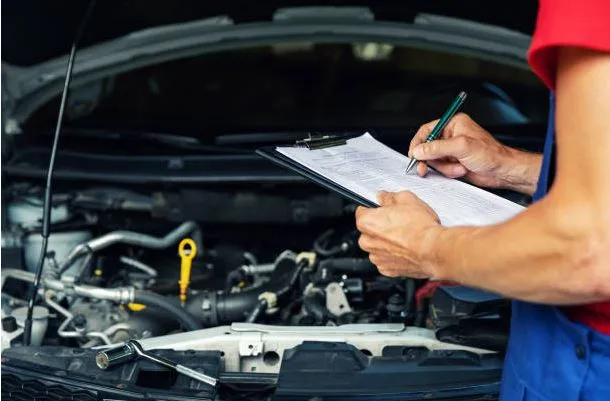
What You Should Know About Texas Vehicle Inspection Laws
As a car owner in Texas, you have many responsibilities when it comes to ensuring your vehicle is safe and compliant with Texas inspection regulations. All registered vehicles in Texas must be inspected annually to confirm compliance with both safety and emissions standards. Texas regulations provide protection for all roadway users, including drivers and pedestrians, as well as the health of our communities.
1. Mandatory Vehicle Inspections
Texas, located in the south-central United States, borders Mexico and is known for its diverse economy, high income levels, and prominent urban centers. Vehicle inspection laws in Texas require most vehicles to undergo an annual safety inspection. Vehicle registration cannot be renewed unless documentation verifying the inspection results is submitted. A Texas Department of Public Safety authorized inspection station performs this inspection, checking essential safety features such as brakes, headlights, taillights, turn signals, tires, seatbelts, horns, and windshield wipers.
2. Emission Requirements
Emission testing is primarily found in urban areas with higher concentrations of pollution, such as Harris County, Travis County, Dallas County, and Bexar County. An emissions test evaluates the amount of pollutants emitted through your vehicle’s exhaust system. If your vehicle meets the State of Texas’s emissions standards, then it will receive a “Pass,” and you may legally operate the vehicle.
3. Costs Associated with Inspections
The cost associated with vehicle inspections varies based on the type of vehicle being tested and whether it needs an emissions test. The estimated range for each inspection is approximately between $7 and $25. You pay for your inspection twice: once at the authorized inspection station and again when you register your vehicle with TxDMV. Together, neither payment should exceed the allowed limit established by the State.
4. Exceptions to Required Inspections
There are several types of vehicles that are exempt from required safety inspections. For example, vehicles manufactured less than 25 years ago and classified as “antique” vehicles do not have to undergo annual safety inspections. Also, electric vehicles emit zero emissions and therefore must only pass the safety inspection and are exempt from emissions testing. New vehicles purchased from Texas dealerships are exempt from emissions testing for the first 24 months after purchase, but they must still have a safety inspection performed.
5. Failing the Inspection
If your vehicle fails an inspection, it doesn’t automatically put your vehicle out of commission. You will receive a paper outlining what has to be rectified if your car fails an inspection. After making those repairs, you can take your vehicle back to the same inspection station and have it reinspected at no additional charge if done so prior to the end date of your last inspection. Driving around with an expired or failed inspection sticker could result in traffic fines and loss of vehicle registration.
6. Penalties for Not Complying
Texas has serious consequences for drivers who fail to comply with the state’s vehicle inspection laws. Traffic enforcement officers can give you a ticket if your vehicle does not display a valid inspection sticker. Failure to maintain your inspection can sometimes impact your vehicle insurance coverage. Complying with Texas inspection regulations, you can prevent yourself from getting into potentially costly and unwanted legal trouble.
7. Preparing for the Inspection
When preparing for a vehicle inspection, make sure your vehicle’s lights, tires, horn, and windshield wipers are functioning properly. Check that all dashboard warning lights are extinguished. Properly maintaining your vehicle will increase the chances of you passing the inspection the first time. Maintaining records of your vehicle maintenance history may also prove beneficial in case of disputes regarding the results of your vehicle inspection.
Key Takeaways
- Annual vehicle inspections are required for most registered vehicles in Texas.
- Vehicle emissions testing is only conducted in select Texas counties.
- Your vehicle must meet safety and emissions standards in order to complete the annual vehicle registration renewal process.
- Antique, electric, and select new vehicles are exempt from required vehicle inspections.
- Failure to have your vehicle inspected or having a failed inspection can lead to potential fines and vehicle registration issues.