When a Fender-Bender Leads to Months of Recovery
Key Takeaways
- Minor car accidents can lead to significant, long-lasting injuries, even when the initial damage appears minor.
- Delayed symptoms are common, making prompt medical evaluation essential for recovery and protection of rights.
- The financial and legal consequences of fender-benders can be substantial, often warranting legal advice.
- Proper steps after an accident and preventive measures can help safeguard physical and financial well-being.
Table of Contents
- Understanding the Hidden Impact of Minor Collisions
- Common Injuries from Low-Impact Accidents
- The Financial Burden of “Minor” Accidents
- Legal Considerations and Your Rights
- Steps to Take After a Fender-Bender
- Preventive Measures to Reduce Risk
- Conclusion
Understanding the Hidden Impact of Minor Collisions
When you experience a fender-bender, it might seem like a minor annoyance rather than a significant life event. Many people focus solely on visible car damage or quick fixes, but the unseen effects can be far more serious. Even low-speed collisions can cause injuries that disrupt routines for months or longer. This is why contacting a skilled attorney, such as RSH Legal, at the early stages can help ensure that every aspect of your recovery and claim is adequately addressed.
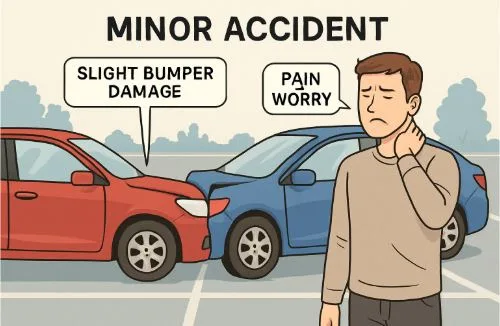
It is a mistake to judge the severity of a car accident based solely on the appearance of your vehicle. Modern bumpers and crumple zones are designed to absorb impact, meaning much of the collision force can be transferred to the driver or passengers rather than the car’s exterior. Symptoms from these injuries can initially be minor or absent, but they may develop into persistent pain or limited mobility over time.
Many people are unaware that even though their car may look nearly untouched, their bodies have absorbed significant stress during the crash. In fact, some injuries may become evident days or even weeks after the incident, making early medical consultation vitally important.
Additionally, personal, financial, and emotional impacts can compound. Concerns about recovering lost wages, managing medical bills, and handling persistent pain can become overwhelming very quickly, especially if you did not expect a minor accident to upend your daily life.
Common Injuries from Low-Impact Accidents
Even at relatively slow speeds, a car accident can transfer sudden, powerful forces to the body, often resulting in injuries that are easy to underestimate. These may include:
- Whiplash: This neck injury occurs when the head is violently jolted back and forth, straining muscles and ligaments. Whiplash can result in neck pain, headaches, dizziness, and, in some cases, cognitive issues.
- Soft Tissue Injuries: These involve damage to muscles, tendons, or ligaments, often leading to swelling, bruising, and limited range of motion, sometimes noticed only after the body’s initial shock subsides.
- Concussions: The brain can be injured by abrupt movement, even if there is no direct blow to the head. Symptoms can include confusion, headaches, memory issues, or fatigue, sometimes appearing days after the crash.
Because these injuries can be deceptively subtle at first, medical professionals recommend getting evaluated as soon as possible after any accident. According to the Centers for Disease Control and Prevention, traumatic brain injuries and soft-tissue injuries are common but treatable when caught early.
The Financial Burden of “Minor” Accidents
The aftermath of a fender-bender goes beyond simple bodywork fixes. Sensors and integrated electronics in modern vehicles can be damaged internally, leading to costly repairs. Beyond car repairs, medical expenses for diagnostic tests, physical therapy, and follow-up visits can accumulate quickly.
If injuries prevent you from returning to work promptly, lost income becomes an additional burden. There is also the risk of increased insurance premiums after even minor claims, which can drain your resources over time. Planning for unexpected expenses by maintaining an emergency fund is a key financial safety net, as outlined in NerdWallet’s resource guides.
Legal Considerations and Your Rights
Many are surprised to find how complicated post-accident disputes can become, especially when seemingly minor collisions lead to mounting medical costs and contested liability. It is not uncommon for insurance companies to try to minimize payouts or dispute responsibility entirely. Knowing your rights and documenting injuries from the beginning can make a decisive difference.
Consulting with a credible attorney experienced in car accident matters can help clarify your legal standing. Legal guidance ensures you are adequately compensated for medical bills, lost wages, and pain. Keep comprehensive records of your diagnosis, prescribed treatments, and any days missed from work to support your case.
Steps to Take After a Fender-Bender
1. Seek Immediate Medical Evaluation
Prioritize your health, even if you don’t sense immediate discomfort. Many injuries can be detected early only through a medical professional’s evaluation. Prompt attention will also provide documentation vital for any legal or insurance matters.
2. Document the Scene Thoroughly
Take photos of vehicle positions, damage, street signs, skid marks, and any visible injuries. Collect names and contact information of witnesses and note the details of all other parties involved.
3. File Official Reports
Notify local law enforcement and your insurance provider to ensure an official record is created. This documentation can protect against future disputes over facts or responsibilities.
4. Get Legal Advice If Needed
If injuries develop or if disagreements arise over coverage, speak with a legal professional. Their advice can be crucial in negotiating with insurance companies or initiating compensation claims.
Preventive Measures to Reduce Risk
While defensive driving cannot eliminate all risks, some actions can substantially reduce the chance of being involved in a collision:
- Maintain Safe Following Distances: Allow extra space between your car and the vehicle ahead, especially in heavy traffic or inclement weather.
- Avoid Distractions: Keep your attention on the road by avoiding mobile devices and other distractions while driving.
- Stay on Top of Vehicle Maintenance: Regularly inspect brakes, tires, lights, and other vital systems to enhance safety and prevent system failures that can lead to accidents.
Emphasizing caution and awareness on each drive will always be your best defense.
Conclusion
What starts as a minor traffic incident can have significant consequences for your health, wallet, and legal standing. By recognizing the potential seriousness of even minor collisions, taking prompt steps after an accident, and seeking the right professional advice, you safeguard your future well-being. Prioritize your health, stay informed about your rights, and never hesitate to seek expert help when the aftermath of a fender bender becomes overwhelming.