When a Sprinkler Problem Becomes a House Problem
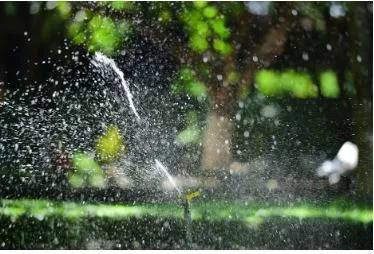
Your sprinkler system usually fades into the background until a soggy lawn, a dry patch, or a surprise spike in your water bill gets your attention. At that point, it stops being a landscaping detail and starts acting like a home maintenance issue with a timer attached. If you want your yard to stay healthy without wasting water or money, it helps to know when a small irrigation glitch is manageable and when it’s something bigger.
Why sprinkler issues escalate faster than you expect
A sprinkler system looks simple from the outside, but it’s really a network of valves, pipes, heads, wiring, pressure zones, and timers working in sync. One weak link can throw off the whole setup.
A cracked head might not seem dramatic at first. Then you notice one area is turning into a swamp while another is getting almost nothing. A stuck valve can keep water flowing long after the cycle ends. Underground leaks are even trickier because you may only spot the symptoms: soft soil, fungus growth, or a water bill that suddenly starts freelancing.
Timing matters. Irrigation problems tend to worsen quietly, then all at once. What starts as uneven spray coverage can lead to dead turf, root stress, soil erosion, or water seeping where it definitely wasn’t invited.
The signs your system needs attention right away
Some sprinkler problems can wait a day or two. Others deserve same-day action, especially when water is running continuously or pooling near your foundation.
Watch for these red flags:
– Gushing water from a sprinkler head or broken line
– Zones that won’t turn off
– Sudden loss of pressure across multiple heads
– Soggy patches that stay wet long after watering
– Bubbling water near sidewalks, driveways, or the curb
– A controller working normally while the yard says otherwise
– Brown patches appearing even though your schedule hasn’t changed
This is usually the point where homeowners start looking into emergency sprinkler repair because the issue has moved beyond a crooked spray head and into active water loss.
If your system is near hardscaping, the risk goes up. Leaks around walkways and slabs can contribute to settling, cracks, and surface damage over time.
What commonly goes wrong in residential irrigation systems
Most sprinkler failures come down to wear, pressure problems, weather, or installation mistakes that took their sweet time showing up. Heads get clogged by dirt, grass clippings, or mineral buildup. Pipes crack from shifting soil, mower impacts, tree roots, or freeze-thaw cycles.
Valves often cause trouble behind the scenes. When a valve fails, a zone may stay on, not turn on at all, or cycle erratically. Wiring faults can create similar confusion, especially when the controller seems fine but one section of the yard has clearly gone off-script.
Pressure issues also create weird symptoms. High pressure can cause misting, which looks dramatic and waters badly. Low pressure leads to weak spray patterns and poor coverage. Neither helps your lawn, and both waste water in different ways.
Then there’s the classic human factor: mismatched heads, bad nozzle selection, or a timer schedule copied from last summer and forgotten.
Why quick fixes sometimes make the problem worse
It’s tempting to swap a sprinkler head, tighten a fitting, and call it a win. Sometimes that works. Sometimes it turns a targeted repair into a larger detective story.
A visible broken head may be the result of excess pressure, a damaged riser, or a valve issue upstream. Replacing only the head can leave the main problem untouched. Using the wrong nozzle can also throw off precipitation rates, meaning one section gets soaked while the next one stays thirsty.
Digging without understanding line placement creates another layer of risk. Irrigation lines often share space with cable, lighting wire, and edging. One enthusiastic shovel session can produce a repair bill with bonus items.
The smartest approach is to treat the symptom as a clue, not the whole case. Sprinkler systems rarely fail in a neat, isolated way just to make your weekend easier.
How to respond before a repair technician arrives
You do not need to stand there watching water launch into the street like a decorative fountain with poor judgment. A few simple steps can limit damage before help arrives.
Start here:
– Shut off the irrigation water supply if you know where it is
– Turn off the controller or place it in rain mode
– Mark the wet area if the leak is underground and hard to spot
– Keep kids and pets away from muddy or sunken sections
– Take photos of the damage and note which zone was running
– Avoid driving equipment over the area
If water is moving toward your home, garage, or paved surfaces, speed matters even more. Soil saturation near structures can create problems that outlast the sprinkler repair itself.
If you’ve had repeat issues in the same zone, mention that when scheduling service. Patterns often reveal hidden valve, pressure, or pipe routing problems.
What a thorough repair process should include
A proper irrigation repair is not just replacing the obviously broken part and heading out. The best technicians check why the failure happened and whether the rest of the zone is performing correctly.
A solid repair visit often includes:
– Inspecting the damaged zone and adjacent heads
– Checking pressure levels and spray performance
– Testing valves, solenoids, and controller communication
– Looking for leaks along the lateral line
– Matching replacement parts to system specifications
– Adjusting arc, direction, and coverage after the fix
This matters because one bad component can mask others. A repaired leak may reveal nozzle imbalance. A replaced valve may expose wiring faults. Good repair work improves system efficiency, not just appearance.
If your lawn has different plant zones, slopes, or shaded sections, calibration is especially important. Watering turf, shrubs, and flower beds with one-size-fits-all settings rarely ends well.
How to reduce the odds of another sprinkler emergency
You can’t prevent every failure, but you can make emergencies less likely. Irrigation systems age better when they’re checked before peak watering season and again when weather patterns shift.
A few habits help a lot:
– Run each zone monthly and watch for odd spray patterns
– Trim grass and plants around heads
– Replace damaged nozzles with matching parts
– Adjust schedules for heat, rain, and seasonal changes
– Winterize properly in cold climates
– Schedule inspections if your water bill jumps without explanation
Smart controllers and rain sensors can help, but they are not magic. They still depend on functional valves, intact pipes, and correctly adjusted heads. Technology can improve efficiency, though it can’t rescue a cracked line underground.
Think of your sprinkler system as part plumbing, part landscape equipment, and part utility expense. That mindset tends to produce better maintenance choices.
The bigger impact on your home, budget, and water use
Sprinkler trouble is easy to dismiss because it starts outside, usually out of sight, and often early in the morning when nobody is feeling especially investigative. Yet irrigation problems connect directly to water conservation, curb appeal, monthly costs, and even property condition.
A neglected leak can waste thousands of gallons over time. Overwatering can weaken roots and invite disease, while underwatering can undo years of lawn care and planting investment. If runoff reaches sidewalks or streets, you are not just losing water; you’re paying to send it somewhere useless.
The bigger lesson is simple: outdoor systems deserve the same attention you give indoor plumbing. When your sprinklers start behaving strangely, treat it as a practical home issue, not a cosmetic one. Fast action keeps a manageable repair from turning into a muddy, expensive subplot in your week.