When Can Home Modifications Become Part of Personal Injury Compensation?
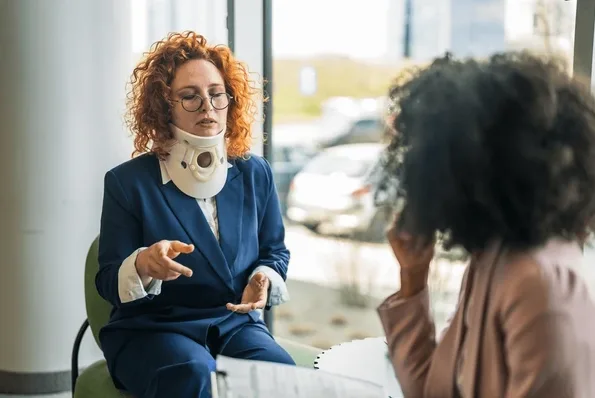
Home modifications can become part of personal injury compensation when an accident leaves someone with injuries or disabilities that make their home difficult or unsafe to use without changes.
Depending on the circumstances, reasonable costs for ramps, accessible bathrooms, stair modifications, door changes, or other necessary improvements may be included when supported by evidence. The availability of these damages depends on factors such as liability, the severity of the injury, medical recommendations, and applicable state law.
Albuquerque, New Mexico, is home to people living in a wide range of housing styles, from single-family homes to properties with stairs and other features that may become challenging after a serious injury. Understanding how personal injury in Albuquerque claims can address long-term needs is important when an injury changes how someone uses their home.
How an Injury Can Create the Need for Modifications
An injury may affect mobility, balance, strength, or the ability to perform everyday activities. Someone who previously moved around their home without assistance may suddenly need a wheelchair, walker, or other mobility aid.
In these situations, ordinary features such as stairs, narrow doorways, high bathtubs, or inaccessible bathrooms can create safety concerns.
Home modifications may help an injured person remain independent and safely access essential areas of the property.
Examples of Potential Home Modifications
The modifications needed depend on the person’s injuries and living situation. Possible changes can include:
- Wheelchair ramps
- Stair lifts
- Wider doorways
- Accessible showers
- Grab bars
- Lowered countertops
- Handrails
- Modified entrances
- Improved flooring
- Accessible bathroom fixtures
Not every modification will automatically qualify as compensation. The expense generally needs to be connected to the injury and supported by appropriate evidence.
Medical Evidence Can Be Important
A medical professional’s opinion can help establish why a modification is necessary. For example, a doctor, occupational therapist, or rehabilitation specialist may explain how an injury affects mobility and what changes are reasonably needed.
Without medical documentation, an insurer may question whether a particular improvement is necessary or related to the accident.
Documenting the Cost
Keep detailed records of proposed and completed modifications. Useful documents may include:
- Contractor estimates
- Invoices
- Receipts
- Architectural plans
- Medical recommendations
- Photographs of existing barriers
Obtaining more than one estimate may also help establish the reasonable cost of a proposed modification.
Temporary and Permanent Changes
Some modifications may be needed only during recovery. Others may be required permanently because an injury causes lasting impairment.
The expected duration of the need can affect how damages are evaluated. A temporary ramp, for example, may involve a different expense from a permanent structural renovation.
New Mexico Personal Injury Damages
New Mexico generally recognizes compensation for damages resulting from personal injuries caused by another person’s wrongful conduct. NMSA § 41-4-12, for example, addresses liability under New Mexico’s Tort Claims Act for certain injuries caused by specified acts or omissions of public employees. Whether that provision applies depends on who caused the injury and the circumstances of the claim.
Private personal injury cases may be governed by different statutes and legal principles.
What About Improvements That Go Beyond Necessity?
A personal injury claim generally focuses on losses caused by the injury. If a modification significantly improves the property beyond what is reasonably necessary for accessibility, an insurer may dispute the additional expense.
For example, replacing an entire bathroom with an expensive luxury design may raise different questions than installing an accessible shower that is medically necessary.
The connection between the modification and the injury should therefore be clearly documented.
Consider Future Needs
Serious injuries can create long-term accessibility needs. A person may require additional equipment or modifications as their condition changes.
When evaluating a claim, it can be important to consider reasonably foreseeable future expenses rather than focusing only on immediate costs.
Medical and rehabilitation professionals may provide useful information about potential long-term needs.
Working With an Attorney
A personal injury attorney can review medical evidence, estimates, and other documentation to determine whether home modification expenses may be recoverable under the applicable law.
Legal guidance can also help address disputes about whether a modification is necessary, reasonable, or sufficiently connected to the injury.
Key Takeaways
- Home modifications may be recoverable when an injury creates a genuine accessibility need.
- Medical evidence can help establish why modifications are necessary.
- Common changes include ramps, accessible bathrooms, stair lifts, and wider doorways.
- Keep estimates, invoices, receipts, photographs, and professional
- Temporary and permanent modifications may be evaluated differently.
- Costs should be reasonably connected to the injury.
- Future accessibility needs may also matter in serious injury cases.
- The specific damages available depend on the facts and applicable New Mexico law.