When Plumbing Emergencies Strike: How to Be Ready
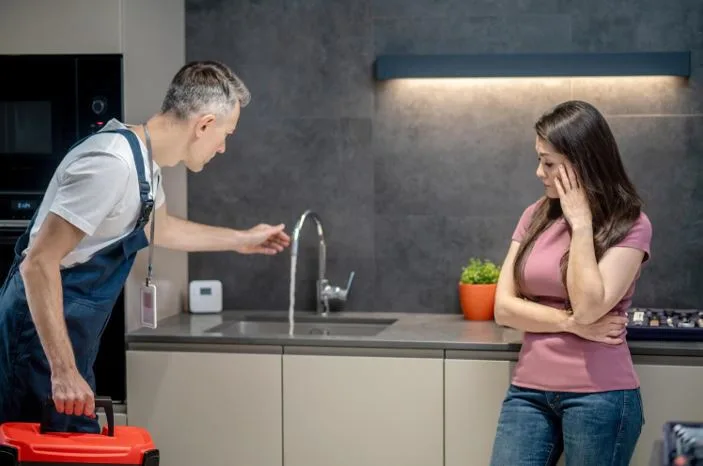
A burst pipe at 2am. A hot water system that fails on the coldest morning of the year. A blocked drain that backs up just as guests arrive. Plumbing emergencies have a particular talent for striking at the worst possible moment, and when they do, they can cause thousands of dollars in damage in a remarkably short time. The difference between a stressful inconvenience and a genuine disaster often comes down to one thing: how prepared you are before it happens. A little knowledge and a plan can save you money, damage, and a great deal of panic.
Plumbing Emergencies Happen When You Least Expect Them
Water is relentless. Once it escapes the pipes meant to contain it, it finds its way into floors, walls, cabinetry, and ceilings with alarming speed, and the damage compounds by the minute. What begins as a small leak can, within hours, become warped flooring, ruined plaster, and the beginnings of a mould problem that lingers for months.
This is what makes plumbing emergencies uniquely urgent among household mishaps. Unlike many home problems that can wait until business hours, a serious water leak or sewage backup demands an immediate response. Every minute counts, and hesitation, or not knowing what to do, can turn a manageable situation into a very expensive one. Recognising that urgency is the first step to handling it well.
The First Steps to Take
When an emergency hits, staying calm and acting quickly makes an enormous difference. The single most important thing every household should know is the location of the main water shut-off valve. Turning off the water at the source is often the fastest way to stop damage in its tracks, and it is worth locating that valve today, long before you ever need it.
Beyond that, a few immediate actions help contain the situation. Switch off electricity to any affected area if water is near outlets or appliances, move valuables and furniture away from the water, and if it is a hot water or gas-related issue, shut off the relevant supply if you can do so safely. Then, crucially, call a professional. These first steps are about limiting the damage until an expert can arrive to properly resolve the problem.
Why You Need a Licensed Professional, Fast
Plumbing emergencies are not the time for do-it-yourself experimentation. The pressures involved, the risk of contamination, and the potential to inadvertently make things far worse mean that professional help is essential. A qualified emergency plumber has the tools, training, and experience to diagnose the problem quickly and fix it properly, rather than applying a temporary patch that fails again a week later.
Having the number of a reliable emergency plumber in Gawler, or in your own local area, saved before disaster strikes is one of the smartest bits of household preparation there is. When water is pouring through your ceiling, you do not want to be frantically searching for a plumber and hoping whoever answers is trustworthy. Knowing in advance who to call means help arrives faster and the outcome is very likely to be better.
Checking Your Plumber Is Properly Licensed
In the rush of an emergency, it is tempting to accept whoever can come first, but licensing still matters enormously. A licensed plumber is trained to current standards, legally accountable for their work, and required to carry out the job to code. Consumer and Business Services, South Australia’s licensing authority, lets you find a licence holder and confirm that a tradesperson is properly licensed, and it advises always checking that the person doing work for you holds the appropriate licence.
This is why doing your homework in advance pays off. By identifying and saving the details of a reputable, licensed emergency plumber before you need one, you remove the risk of hiring an unqualified operator at your most vulnerable moment. In South Australia, all plumbing workers are required to be registered, and using someone who is not can leave you exposed to poor workmanship and its consequences.
Preventing the Next Emergency
While you cannot eliminate every risk, many plumbing emergencies are preventable with a little routine care. A few habits go a long way:
- Have your plumbing and hot water system inspected periodically by a professional.
- Address small leaks and slow drains promptly, before they become big problems.
- Avoid pouring fats, oils, and non-flushable items down drains and toilets.
- Insulate exposed pipes and know how your system copes in extreme weather.
- Learn where your main shut-off valve is and make sure the whole household knows too.
Preventive maintenance is far cheaper than emergency repairs, and these simple measures dramatically reduce the odds of a midnight crisis.
Peace of Mind When It Matters Most
Plumbing emergencies are stressful by nature, but they do not have to be catastrophic. The households that come through them best are the ones that prepared in advance, knowing how to shut off the water, understanding the first steps to take, and having a trusted, licensed professional ready to call.
A small amount of preparation today buys you enormous peace of mind for the day something goes wrong. Take a few minutes now to locate your shut-off valve and find a reliable local plumber, and you will have turned a potential disaster into something far more manageable. When water is on the move and every second counts, that readiness is worth its weight in gold.