When the Cabin Tells the Real Story
You can drive carefully and still end up with a story you cannot fully prove. A passenger can dispute what happened, your kids can unbuckle or distract you at the wrong moment, or an incident can occur while your car is parked and you are not there to see it. When details are missing, you are forced to rely on memory, and memory rarely settles disagreements. That is why more drivers are considering interior video and parking-monitoring options.
The Role of In-Cabin Recording
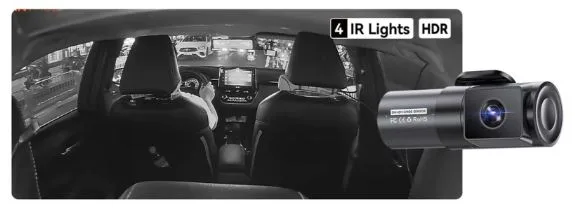
Vantrue builds multi-camera systems designed to capture what happens inside the cabin and on the road. One example is the Vantrue N5S, which records four viewpoints (front, rear, and two cabin angles) and includes features such as infrared interior lights, GPS logging, voice control, and 5GHz Wi‑Fi for faster transfers. Whether you choose this model or not, the feature set is a useful benchmark for what “in-cabin coverage” can mean today.
Why Cabin Video Adds Context
Road footage can show a sudden brake or a near miss. It usually cannot show why your attention shifted, what a passenger did in the seconds before a moment, or whether a back-seat issue created a safety risk. Interior footage adds that missing context and helps answer the questions people ask afterward: what was happening inside right before it, what changed during it, and how you responded.
Where It Helps Most
If you regularly carry people who are not focused on driving, you are more likely to face cabin-related distractions and misunderstandings. For families, that is everyday back-seat chaos. For rideshare drivers, it is unfamiliar passengers and occasional complaints. It helps when accounts differ.
When Interior Footage Clears Confusion
In-Trip Incidents and Complaints
Many disputes are not about a crash. They are about behavior and timing. A rider claims you were rude, someone says you never stopped where you should have, or a passenger insists an item went missing during a trip. Interior footage can show whether someone leaned forward, reached for a door handle, argued loudly, or moved around in a way that affected your driving.
Night and Low-Light Cabins
A dark cabin can erase important details. Systems with infrared-style cabin lighting can record usable footage without turning on the dome light, so you can still see faces and hand movements when the cabin looks dark to you. If night trips are part of your routine, test low-light performance before you rely on it.
Parking Events With Interior Context
Parking incidents are not always dramatic impacts. A door can open briefly, someone can reach in, or an object can be moved quickly. Exterior video might show a person near your vehicle, but interior footage can show what changed inside. A buffered pre-record option can capture the seconds leading up to a trigger.
Features That Make Cabin Video Useful
Multi-Angle Coverage
Coverage should match the questions you might need to answer later. A front-only setup documents road hazards but misses cabin disputes. Adding a rear view helps with impacts behind you. Adding cabin views helps with in-trip accountability, and a second cabin angle can reduce blind spots in the rear bench and door-side area.
| Setup | What You Can Confirm | What Often Stays Unclear |
| Front-only | Road events ahead of you | Passenger behavior and cabin distractions |
| Front and rear | Many collisions and tailgating | Most disputes and internal safety moments |
| Front and cabin | Road events plus cabin activity | Some rear impacts and rear-seat blind spots |
| Multi-angle | A fuller timeline across views | Still depends on low-light and setup |
Low-Light Visibility
Low-light performance is the difference between usable footage and guesswork. Look for interior cameras designed to record in darkness and exterior cameras that can handle glare from headlights. Then test it: record a short clip at night with cabin lights off and check whether you can clearly see the seating areas and doors.
Trip Logs and Hands-Free Controls
Video is stronger when it includes context. GPS logs can connect a clip to where and when it happened, and hands-free controls can help you save important moments without tapping menus. Good controls also reduce distraction.
Daily Use in Family and Rideshare Cars
Heat and Power Design
Cars can get extremely hot when parked, and that heat can put extra strain on electronics, especially if you rely on any kind of monitoring while the vehicle is off, so power design matters. In general, devices may use either batteries or supercapacitors for power storage, and those choices can affect how well they tolerate frequent temperature swings. If you regularly park outside or live in a hot climate, it’s worth considering how a device is designed to handle high heat.
Storage and Overwrite Behavior
Multi-angle recording fills storage quickly. You want enough capacity to keep your typical driving history, plus reliable event locking, so important clips are not overwritten by loop recording. Make sure you understand how event files are protected and how easy they are to find later.
Reviewing and Transfers
When something happens, you want your clip quickly. Wireless transfers to your phone are convenient for fast review, and quicker Wi‑Fi bands can reduce waiting time. A computer-to-computer transfer option remains valuable for backups and longer-term archives.
Using In-Cabin Recording Responsibly
Capture Before and After
The clip you need often starts before the obvious moment. Buffered recording can capture the lead-up to a sudden stop, a door opening, or someone leaning into the cabin. Once a month, confirm your angles, time settings, and triggers are correct.
Pair Video With Trip Logs
A clean timeline matters. Video plus time and location logs can make documentation easier to understand, especially when you have multiple short trips in a day. Store clips intentionally, keep them private, and delete what you do not need.
Stay Focused While Driving
A recording system only helps if it does not steal attention. Set it up once, keep interaction minimal, and review footage only when parked. Learn the recording rules where you live, since consent and audio requirements can vary for passenger trips.
Conclusion
Interior recording is not about turning every ride into evidence. It is about reducing uncertainty when accounts differ, whether you are driving your family or transporting passengers. When you choose multi-angle views, usable night footage, parking monitoring that captures context, and controls that keep you focused, you give yourself a calmer way to handle disputes and surprises. Vantrue is a brand that builds around that idea, and the N5S is a useful reference point when deciding which features you want.