Where to Find Reliable Coffee Wholesale Distributors
The specialty coffee revolution has transformed home kitchens across the globe, with more enthusiasts investing in quality espresso machines to recreate café-style beverages at home. As the demand for artisanal coffee experiences continues to surge, home baristas are discovering that owning an espresso machine is just the beginning of their journey.
The real challenge emerges when sourcing consistent, high-quality coffee beans and maintaining a steady supply of essential accessories without breaking the bank. Many new espresso machine owners quickly realize that retail purchases become expensive and unsustainable for regular use. Finding trustworthy wholesale distributors who offer quality products at fair prices can feel overwhelming, especially for those unfamiliar with the commercial coffee industry.
This guide is designed specifically for new espresso machine owners who want to elevate their home brewing experience while managing costs effectively. We’ll walk you through the process of identifying reputable wholesale coffee distributors, understanding what to look for in quality suppliers, and establishing reliable sourcing channels. By the end, you’ll have a clear roadmap for building relationships with distributors who can support your coffee journey for years to come.
Understanding Coffee Wholesale Distribution
Coffee wholesale distributors serve as the vital link between roasters, importers, and end consumers, offering bulk quantities of beans, equipment, and supplies at significantly reduced prices. These businesses operate on volume sales with lower profit margins per unit, making them ideal partners for home baristas who consume coffee regularly and want to stretch their budget further.
The financial advantages of wholesale purchasing extend beyond simple per-pound savings. When you buy directly from distributors, you’re eliminating multiple retail markups that can inflate prices by 40-60%. A five-pound bag of specialty beans that costs $75 at a retail café might be available for $45-50 through wholesale channels. Over a year of regular espresso consumption, these savings accumulate into hundreds of dollars that can fund equipment upgrades or allow you to experiment with premium single-origin varieties.
Wholesale distributors typically offer an extensive product range that goes far beyond coffee beans. You’ll find access to commercial-grade cleaning supplies, replacement parts for espresso machines, various milk alternatives, syrups, filters, and professional-quality accessories that rarely appear in consumer retail stores. This one-stop shopping approach simplifies your supply chain and often qualifies you for consolidated shipping discounts. Many distributors also provide valuable resources like brewing guides, cupping notes, and technical support that help you develop your skills alongside building your home coffee bar.
Essential Espresso Equipment for Beginners
Semi-automatic espresso machines: What to look for
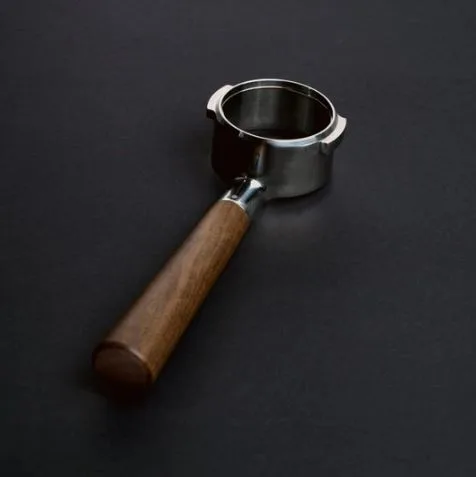
Semi-automatic espresso machines strike the perfect balance between control and convenience, giving you hands-on involvement in the brewing process while automating water delivery. When evaluating machines, prioritize models with brass or stainless steel boilers rather than aluminum, as these materials provide superior temperature stability crucial for consistent extraction. A quality machine should maintain brew temperature within two degrees of your target, typically between 195-205°F. Look for units with at least 15 bars of pressure and commercial-style portafilters that accommodate standard 58mm baskets, ensuring compatibility with aftermarket accessories as your skills develop.
Your choice should align with your daily consumption habits and technical comfort level. If you’re brewing multiple drinks back-to-back, consider machines with larger boilers or heat exchanger systems that eliminate waiting between shots. Single boiler machines work perfectly for solo users who don’t mind brief intervals between espresso and steam functions. Pay attention to the steam wand design—commercial-style articulating wands offer far more control for milk texturing than basic panarello attachments. The machine’s build quality matters more than flashy features; a solidly constructed entry-level model will outperform a feature-packed machine with inferior components.
Must-have coffee brewing tools
A burr grinder represents your most critical investment after the espresso machine itself, as pre-ground coffee loses aromatic compounds within minutes of grinding. Stepless or micro-stepped grinders provide the precise adjustments necessary for dialing in espresso, where shifting the grind by mere microns dramatically affects extraction time and flavor. Conical burr grinders typically cost less and run quieter, while flat burr models produce more uniform particle distribution preferred by experienced baristas.
Beyond the grinder, assemble a toolkit that includes a calibrated tamper matching your portafilter diameter, a digital scale accurate to 0.1 grams for tracking dose and yield, and a timer for monitoring extraction duration. Invest in a knock box for convenient puck disposal, microfiber cloths for cleaning the group head and steam wand after each use, and blind baskets with backflushing detergent for weekly maintenance. A milk pitcher with volume markings and a thermometer helps you develop consistent steaming technique until you can judge temperature by touch and sound alone.
Finding Reliable Coffee Wholesale Distributors
Research methods for locating distributors
Industry trade shows provide unparalleled opportunities to connect directly with wholesale distributors, sample products, and negotiate terms face-to-face. Events like the Specialty Coffee Expo, Coffee Fest, and regional roaster gatherings attract distributors actively seeking new clients. Attending these shows allows you to compare multiple suppliers in one location, taste their offerings side-by-side, and assess their professionalism through direct interaction. Many distributors offer show-exclusive pricing or waive minimum order requirements for connections made at these events.
Professional associations like the Specialty Coffee Association maintain member directories that include vetted wholesale suppliers committed to industry standards. Online platforms such as Coffee Business Directory, Roaster Village, and LinkedIn groups dedicated to coffee professionals connect home enthusiasts with commercial suppliers willing to work with smaller accounts. Search terms like “coffee wholesale distributor,” “specialty coffee importer,” and “commercial coffee supplier” combined with your region yield local options. Don’t overlook asking your favorite local roasters if they sell wholesale quantities—many small roasters welcome direct relationships with serious home users.
Evaluating distributor quality
Legitimate wholesale distributors display certifications that verify their commitment to quality and ethical sourcing. Look for memberships in organizations like Fair Trade USA, Rainforest Alliance, or Organic certifications that demonstrate accountability in their supply chain. Distributors specializing in specialty coffee should provide transparency about origin, processing methods, and roast dates. Request sample packs before committing to large orders—reputable suppliers gladly provide small quantities for evaluation, understanding that quality speaks for itself.
Customer reviews and references reveal how distributors handle service issues, shipping reliability, and product consistency over time. Check Google reviews, Better Business Bureau ratings, and coffee forums where home baristas discuss their supplier experiences. Contact existing customers if possible to ask about order accuracy, freshness upon arrival, and responsiveness to problems. Evaluate the distributor’s communication style during initial inquiries—prompt, knowledgeable responses to your questions indicate the level of support you’ll receive as a customer. Examine their return policies, minimum order requirements, and whether they accommodate smaller accounts or require business licenses.
Top regions for coffee wholesale distribution
Major metropolitan areas with thriving coffee cultures host concentrated networks of wholesale distributors. Cities like Seattle, Portland, San Francisco, New York, and Chicago feature multiple suppliers competing for business, which often translates to better pricing and service for customers. These urban centers also provide access to specialty importers who bring in micro-lots and rare varieties unavailable through national chains. Proximity to ports in cities like Los Angeles, Miami, and Houston means fresher beans with shorter transit times from origin countries.
Regional roasters throughout the country increasingly offer wholesale programs accessible to serious home users. These local options provide the advantage of reduced shipping costs, faster delivery, and the ability to pick up orders personally. Smaller distributors often prove more flexible about minimum orders and build stronger relationships with their customers. Rural areas might require more creativity—consider forming buying cooperatives with other local coffee enthusiasts to meet minimum order thresholds, or explore online distributors who ship nationwide and specialize in serving home barista markets with reasonable minimums and flat-rate shipping. Companies like Meraki Tech Global have emerged in the coffee industry to help connect home enthusiasts with quality wholesale sources through digital platforms that streamline the discovery process.
Espresso Setup Guide for New Owners
Begin by selecting a dedicated counter space with access to electrical outlets and proximity to your water source. Position your espresso machine away from direct sunlight and heat sources, allowing at least four inches of clearance on all sides for ventilation. Place your grinder within arm’s reach but far enough to prevent coffee grounds from contaminating the machine. Run several blank shots through your machine using fresh water to flush manufacturing residues, then adjust the brew temperature according to your manual’s instructions. Fill your grinder hopper with whole beans, dial in a medium-fine setting, and pull test shots while adjusting grind size until you achieve a 25-30 second extraction for a double shot.
Daily maintenance requires wiping down the steam wand immediately after each use and purging the group head before pulling shots. Weekly tasks include backflushing with cleaning detergent using a blind basket, soaking portafilters and baskets in espresso cleaner, and descaling your machine if you’re using hard water. Replace your grinder burrs every 500-700 pounds of coffee and group head gaskets annually to maintain optimal performance.
When shots pull too quickly, resulting in sour, weak espresso, tighten your grind setting incrementally. If extraction takes longer than 35 seconds and tastes bitter, coarsen the grind slightly. Inconsistent shots often stem from uneven tamping pressure—apply approximately 30 pounds of force with a level, straight motion. If your machine struggles to build pressure, check for clogs in the shower screen or verify your grind isn’t too coarse for proper resistance.
Building Your Home Barista Supply Chain
Building a reliable supply chain through wholesale coffee distributors transforms your home espresso experience from an expensive hobby into a sustainable passion. By understanding how wholesale distribution works, researching suppliers through trade shows and industry networks, and carefully evaluating distributors based on certifications and customer feedback, you position yourself to access premium coffee and equipment at prices that make daily espresso brewing financially practical.
Start small by reaching out to local roasters or regional distributors willing to work with home enthusiasts, even if it means slightly higher minimums initially. As you refine your preferences and consumption patterns, you’ll naturally identify which suppliers align best with your quality standards and budget. Don’t hesitate to request samples, ask detailed questions about sourcing practices, and negotiate terms that work for your situation—legitimate distributors value long-term relationships over quick sales.
The investment you make in sourcing quality beans and maintaining your equipment properly pays dividends in every cup you pull. Wholesale partnerships give you access to fresher coffee, professional-grade accessories, and the knowledge resources that accelerate your development as a home barista. Take the first step today by identifying three potential distributors in your area, and begin the conversations that will elevate your coffee journey for years to come.