
Which Kitchen Colour Combinations Create a Timeless Look?
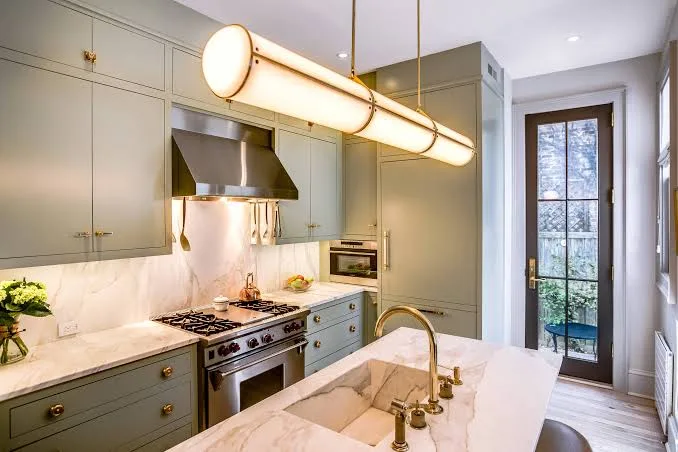
Choosing the right colours for a kitchen can influence its overall appearance, atmosphere and long-term appeal. While design trends change over time, certain colour combinations remain popular because they complement different interior styles and create a balanced, welcoming environment.
A timeless kitchen design does not necessarily rely on plain white cabinetry or neutral finishes. Instead, it combines complementary colours, practical materials and carefully selected accents to create a space that continues to look appealing over the years.
Whether planning a complete update or refreshing existing cabinetry, understanding how different shades work together can help homeowners make confident design decisions.
1. White and Warm Timber for a Natural Appearance
White and timber create a versatile combination that brings brightness and warmth into a kitchen. White cabinetry provides a clean, open appearance, while timber introduces natural texture and visual depth.
This combination works particularly well in contemporary, Scandinavian and coastal-inspired interiors. Light timber finishes can create a relaxed atmosphere, while darker wood tones provide greater contrast.
Homeowners can incorporate this palette through:
- White overhead and base cabinets.
- Natural timber breakfast bars or island panels.
- Timber open shelving.
- Light-coloured splashbacks.
- Neutral flooring that complements the wood finish.
The balance between white surfaces and natural timber prevents the kitchen from feeling too clinical while maintaining a simple and timeless aesthetic.
2. Soft Grey and White for a Balanced Interior
Grey and white offer a sophisticated combination that suits both traditional and contemporary kitchens. Grey introduces subtle contrast, while white helps maintain brightness and visual openness.
The versatility of this palette comes from the wide range of available grey shades. Light grey can create a soft, understated appearance, whereas charcoal introduces a stronger design element.
Consider using white cabinetry with grey benchtops or combining light grey lower cabinets with white overhead cupboards. This approach can also help create visual separation between different kitchen zones.
To prevent the space from appearing too cool, homeowners can introduce warm lighting, timber accessories or brushed metal hardware.
3. Navy Blue and White for Classic Contrast
Navy blue and white create a distinctive colour combination that can add character without relying on short-lived design trends.
White surfaces help balance the depth of navy cabinetry, making the combination suitable for kitchens of different sizes. Navy can be introduced through lower cabinets, an island, selected storage units or decorative features.
For a cohesive appearance, consider combining navy cabinetry with:
- White or light-coloured benchtops.
- Simple white splashbacks.
- Brushed brass or chrome handles.
- Light timber flooring.
- Neutral wall finishes.
Keeping darker colours concentrated in selected areas can prevent a compact kitchen from feeling visually heavy.
4. Beige and Cream for a Warm, Understated Kitchen
Beige and cream create a soft, welcoming palette that works well in homes where warmth and simplicity are priorities.
Unlike stark white, these shades introduce subtle warmth while maintaining a light and spacious appearance. They can also complement a variety of natural materials, including timber, stone and textured tiles.
A combination of cream cabinetry, beige splashbacks and natural stone benchtops can create a cohesive interior without requiring strong contrasting colours.
Different textures are particularly important when working with similar shades. Matte cabinetry, lightly textured surfaces and natural stone patterns can add depth and prevent the overall design from appearing flat.
5. Sage Green and Natural Wood for an Organic Feel
Sage green has become a popular choice for homeowners who want to introduce colour while maintaining a relaxed and natural interior.
Its muted appearance works well alongside timber, cream, beige and other earthy tones. Unlike brighter greens, sage can create a subtle focal point without dominating the kitchen.
Some practical ways to introduce this combination include:
- Sage green base cabinetry.
- Natural timber shelving or island panels.
- Cream or off-white splashbacks.
- Light stone benchtops.
- Warm metallic cabinet handles.
This palette is particularly suitable for kitchens that incorporate natural materials and understated decorative elements.
6. Charcoal and Light Stone for a Contemporary Look
Charcoal and light stone create a striking contrast that can give a kitchen a refined and sophisticated appearance.
Dark cabinetry introduces visual depth, while lighter benchtops and splashbacks help balance the overall design. Natural stone patterns can further soften the contrast by introducing subtle variations in colour and texture.
This combination works well when the kitchen receives sufficient natural or artificial lighting. In smaller spaces, using charcoal selectively rather than across every surface can help maintain a comfortable visual balance.
Light flooring, reflective splashbacks and carefully positioned lighting can also prevent darker cabinetry from making the kitchen feel enclosed.
7. Coordinate Cabinetry, Benchtops and Splashbacks
Selecting individual colours is only one part of creating a cohesive kitchen. The relationship between cabinetry, benchtops and splashbacks plays an equally important role in determining the final appearance.
These elements should complement one another in terms of colour, texture and finish.
For example, a kitchen with white cabinetry may benefit from a lightly patterned stone benchtop and a neutral splashback. Similarly, darker cabinets can be balanced with lighter surfaces to create contrast without overwhelming the space.
Homeowners should also consider how colours interact under different lighting conditions. A finish that appears warm in a showroom may look cooler under natural daylight or different artificial lighting.
Reviewing material samples together before making final selections can help avoid unexpected colour differences after installation.
8. Use Lighting and Hardware to Complete the Colour Scheme
Lighting and hardware can influence how kitchen colours appear and help bring the overall design together.
Warm lighting can enhance beige, cream and timber finishes, while neutral lighting may complement grey, white and contemporary colour combinations. Under-cabinet lighting can also highlight splashback textures and improve visibility across preparation surfaces.
Cabinet handles and fixtures provide another opportunity to introduce complementary finishes. Brushed brass can add warmth, while chrome and stainless steel create a cleaner, more contemporary appearance.
The key is consistency. Selecting a limited number of complementary finishes can help maintain visual balance and prevent the kitchen from feeling overly decorative.
9. Choose Colours That Suit Your Home and Lifestyle
Although timeless colour combinations provide a useful starting point, the most suitable palette depends on the home’s existing interior, natural lighting and household preferences.
A kitchen with limited natural light may benefit from lighter cabinetry and reflective surfaces. Larger kitchens can accommodate deeper colours and stronger contrasts without feeling enclosed.
Homeowners should also consider maintenance when selecting finishes. Lighter surfaces may make certain stains more noticeable, while darker finishes can highlight dust, fingerprints or water marks depending on the material.
Choosing colours that complement adjoining living and dining areas can also create a more consistent interior, particularly in open-plan homes. Homeowners considering kitchen makeovers in Perth can explore different cabinetry finishes, benchtop materials and colour combinations to refresh their kitchen while maintaining a timeless and cohesive design.
Conclusion
Timeless kitchen colour combinations are created by balancing complementary shades, natural textures, practical materials and suitable lighting. Whether combining white with timber, grey with cream or navy with light stone, the goal is to create a cohesive design that remains attractive and functional over time.
Homeowners planning an interior update can explore kitchen makeovers Perth options to discover practical ways to refresh cabinetry, benchtops and finishes. Those considering improvements to other areas of the home may also explore bathroom remodel Perth services to maintain a consistent design approach throughout their property.
With careful colour selection and thoughtful planning, homeowners can create a kitchen that reflects their preferences while maintaining lasting visual appeal.