White Tea: Delicate, Refined, and Especially Aromatic
White tea is one of the most exquisite and fine kinds of tea in the family of tea. This tea is famous with its delicate aroma, creamy flavour and is praised by tea connoisseurs. Unlike black tea that is highly oxidized, white tea is minimally processed, which allows the tea to retain the integrity of its natural compounds and retain a subtle and harmonious flavor profile.
Defining White Tea
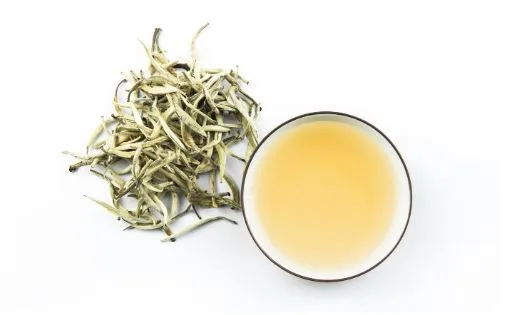
Camellia sinensis is the plant that is used to produce white tea although it is the same plant that produces the green, oolong, and black tea. The main difference is its process of harvest and processing. The youngest leaves and buds are picked at the beginning of the season and dried in the sun with little interference. This delicate treatment keeps the delicate white hairs that are on the buds and this gives the tea its trademark silvery look and smooth smell.
The end result is a clean, light tasting brew with slight undertones of floral or fruit. Plain white tea is a classy and subtle alternative to those who favor naturally mild tastes.
How to make the best cup of White Tea?
Accuracy during preparation is what guarantees keeping the white tea in its original flavor and texture. Its botanical integrity is preserved by the following method:
- Water Temperature: Heat water to 75 or 80 o C. Too much heat can burn the leaves and make them bitter.
- Quantity of Tea: Add one to two teaspoons of tea leaves of white tea to each 250 ml of water.
- Duration of Steep: Steep two to five minutes depending on strength. Long steeping makes it stronger, however, it can add a stronger taste.
- Serving Rave: Plain white tea with no milk or sugar will be a good way to enjoy its natural delicacy.
The Artisans of White Tea
The art of white tea is also one of the most fascinating phenomena. Despite the fact that it is minimally processed, the sense of timing and conditions is extremely accurate. Growers watch spring growth keenly and pick only the youngest leaves and buds that are the most delicate. Weather is also a significant factor, sunshine, humidity, and even the slightest morning dew can interfere with the way the leaves are dried and form their smooth smell.
The crafted method serves to make each batch unique. There are white teas that can be inclined to have a soft and honey-like smell and others that convey crisp and fresh nature. A good deal of this variation is due to finer differences in region and elevation, and the cultivars employed. The fans are fond of tasting white teas of various origins with the aim of finding out these peculiarities to learn the impact of geography on the taste, as in the case with wine or coffee.
Imaginative Reasons to love white tea
Although the traditional brewing emphasizes the whiteness of the white tea, it can be used in many different creative forms without overwhelming its natural delicacy. A large number of individuals test brewing containers, e.g. glass pots, porcelain gaiwans or barebones infusers, in order to see which affects aroma and clarity. Others like to make refreshing iced ones and allow the tea to cool gradually so as to preserve its gentle nature.
Mindful tea-tasting can also be included in the white tea. Its light taste makes it sink slowly, so it is good when one wants to have a moment of reflection, read, or have a moment of a concentrated activity. Other tea enthusiasts would go ahead to make it more enjoyable by combining it with simple snacks, keeping in mind the ones that do not compete with its softness, but complement it.
Favouring Plain White Tea
White tea is plain and it is exquisite. It does not need any additional flavors or blends, and this, together with its light texture and subtle floral smell, sets the stage of a very authentic sensory experience. Frequent intake induces hydration and provides regular intake of antioxidants.
Light food, fruits and desserts are also served with white tea. That is why it is as comfortable in cold seasons as a warm infusion or in hot seasons as an iced beverage because it is versatile.
Conclusion
The simplicity, elegance and health promoting properties of the white tea make it unique. Its high-end taste and health are attributed to its sophistication and pleasant smell, which would make it a high-end tea choice. As the naturally occurring nutrients continue to gain popularity, the white tea will always remain a favorite among those health conscious and sophisticated tea drinkers in the world.
Frequently Asked Questions
- Is white tea caffeine-rich?
White tea is comprised of limited caffeine content that is typically less than that of the green or black tea.
2. What is the best method of storing white tea?
White tea is recommended to be stored in a tightly closed glass, not in light, moisture, and strong smells. When stored properly, its natural fragrance and fine taste are retained over a long time.