Who Can Be Held Liable For A Truck Accident
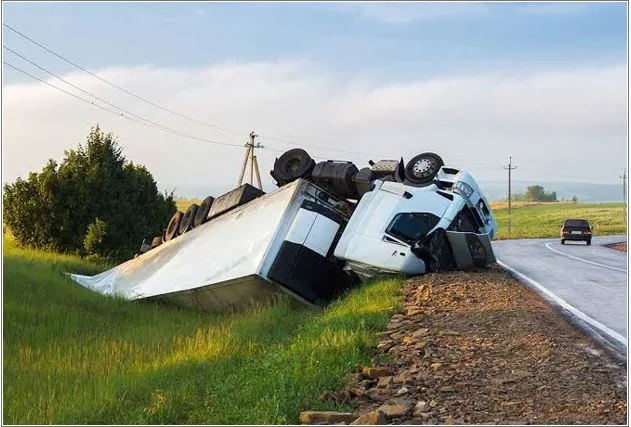
Truck accidents often cause severe injuries and extensive property damage across many busy highways. Determining liability after a serious truck crash can feel quite complicated for injured victims. Multiple parties may share responsibility depending entirely on what actually caused the serious accident. A thorough investigation identifies every responsible party, so victims recover the full compensation they deserve. Trucking accidents involve far more regulations and more moving parts than typical car crashes. Several parties can share liability after a truck accident, including the driver, trucking company, and cargo loader.
Truck Drivers and Their Direct Liability
Truck drivers are almost always the very first party considered when a crash occurs. Fatigue, distraction, speeding, or poor training can all quickly lead to driver negligence claims. Tandy Law Firm Accident Lawyers approaches these driver related claims with sharper investigative focus. Drivers who violate federal safety regulations may bear significant legal liability for resulting injuries. Driving under the influence or ignoring traffic signals can also clearly establish direct fault. Anyone reviewing a trucking liability overview can better understand how driver fault gets established.
Trucking Companies and Employer Responsibility
Trucking companies can often be held directly liable for the actions of their drivers. Employers must properly train their commercial truck drivers. They also carry responsibility for supervising work and setting safe schedules. Companies that pressure drivers into unsafe schedules may share direct legal responsibility. A trucking company faces legal liability when poor maintenance policies lead to a preventable crash. Negligent hiring practices sometimes allow unqualified or clearly dangerous drivers to remain fully employed. When investigators trace a trucking company’s maintenance records, a second contractor’s skipped inspection often surfaces.
Cargo Loaders and Third Party Liability
Cargo loading companies play a genuinely significant role in preventing dangerous truck accidents daily. Improperly secured or overloaded cargo can easily cause a truck to become unstable quickly. Shifting loads sometimes lead directly to sudden rollovers, jackknifes, or sudden loss of control. A loading company shares liability when its negligence contributes to a crash. Skipped inspections also expose maintenance contractors to liability. When victims identify every third party involved, they position their claim for full compensation.
Manufacturers and Equipment Related Liability
Defective truck parts can sometimes directly cause or significantly worsen a serious trucking accident. A brake failure or a tire blowout can indicate a defective part. Steering defects raise similar concerns about equipment quality. A defective component that causes a crash can expose the manufacturer to liability under product liability laws. Design flaws or manufacturing errors can create genuinely dangerous conditions that lead to crashes. Recalled parts that were never properly replaced may also establish clear liability. Qualified accident investigators must examine the equipment closely to determine what actually failed.
Government Entities and Roadway Liability
Poor road design or inadequate maintenance can sometimes contribute to truck accidents. Government entities responsible for roadway upkeep may also share liability in certain specific cases. A missing sign or dim lighting often turns a routine road into a hazard for drivers. Claims against government entities often involve strict deadlines and specific filing procedures. Proving government liability typically requires fairly substantial evidence linking the roadway defect to harm. Legal claims against government entities impose strict deadlines and additional paperwork on many trucking accident cases.
Truck accident cases usually involve more than one responsible party. Fault often extends beyond the driver to the trucking company that employed him. Investigators also examine maintenance contractors, since a second company often shares part of the blame. Victims should never assume their case is simple just because one driver was involved. When investigators pull a truck’s maintenance logs, a second company’s missed inspection often comes to light. Attorneys who explore every option build stronger cases for their clients.