
Why a B2B Contact Database Is Essential for Modern Sales and Marketing Teams
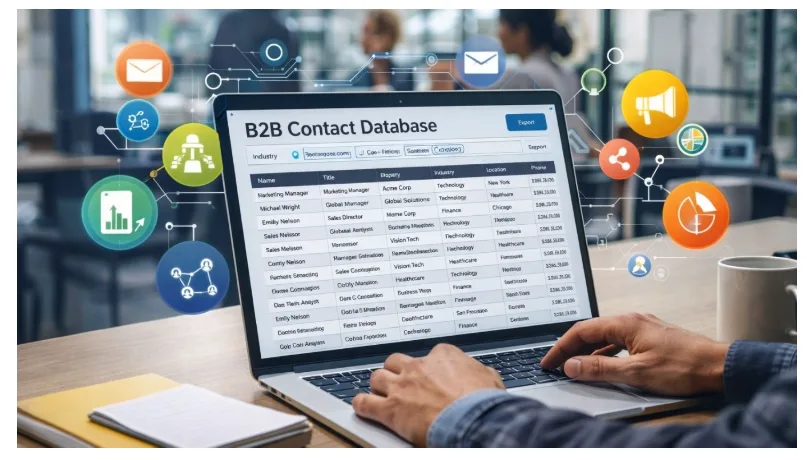
In today’s competitive business environment, data-driven decision-making is no longer optional. For B2B organizations, having access to accurate company and decision-maker information directly impacts revenue growth, customer acquisition, and long-term market positioning. This is where a reliable b2b contact database becomes a foundational asset rather than a “nice to have” tool.
From prospecting and lead qualification to account-based marketing and competitive analysis, B2B contact data plays a central role across departments. This article explains why B2B contact databases are so valuable, how businesses use them in practice, and why many teams now look beyond traditional platforms toward Crunchbase and PitchBook alternatives.
What Is a B2B Contact Database?
A B2B contact database is a structured collection of business-related information that includes company profiles, firmographic data, and verified contact details of professionals within those organizations. This typically includes job titles, departments, seniority levels, company size, industry, revenue range, and geographic location.
Unlike generic lead lists, a modern b2b contact database is continuously updated and enriched, allowing sales and marketing teams to identify, segment, and reach the right decision-makers with far greater precision.
Why B2B Contact Data Matters More Than Ever
B2B buying processes have become more complex. Multiple stakeholders are involved, sales cycles are longer, and buyers expect personalized outreach that reflects a deep understanding of their business challenges.
Without reliable contact data, teams waste time chasing outdated leads, sending messages to the wrong roles, or missing key decision-makers entirely. A strong database reduces this friction by giving teams a clear map of who to contact, when to reach out, and why the conversation is relevant.
In short, better data leads to better conversations—and better conversations lead to better outcomes.
Key Benefits of Using a B2B Contact Database
1. Faster and More Accurate Prospecting
One of the biggest advantages of a B2B contact database is speed. Instead of manually researching companies and contacts, teams can instantly filter prospects based on criteria like industry, company size, location, or technology usage.
This allows sales teams to build targeted lists in minutes rather than days, helping them focus on outreach instead of research.
2. Improved Lead Quality and Conversion Rates
When outreach is directed at the right people, conversion rates naturally improve. A B2B contact database helps teams reach professionals who actually influence purchasing decisions, rather than generic inboxes or irrelevant roles.
Better targeting also reduces email bounce rates, improves call connection rates, and increases the likelihood of meaningful responses.
3. Stronger Account-Based Marketing (ABM)
Account-based marketing relies heavily on accurate data. Teams need to identify high-value accounts, map buying committees, and tailor messaging to different stakeholders within the same organization.
A well-maintained B2B contact database supports ABM strategies by providing visibility into organizational structures and decision-making hierarchies, making personalized engagement possible at scale.
4. Enhanced Sales and Marketing Alignment
Sales and marketing teams often struggle with misaligned goals and inconsistent data sources. A shared contact database creates a single source of truth that both teams can rely on.
Marketing can generate better-qualified leads, while sales gains confidence that inbound and outbound prospects meet agreed-upon criteria. This alignment shortens sales cycles and improves overall pipeline efficiency.
5. Market and Competitive Intelligence
Beyond lead generation, B2B contact data provides valuable insights into market trends, company growth patterns, and competitive landscapes. Teams can track hiring signals, expansion activities, and leadership changes to identify new opportunities.
This kind of intelligence supports smarter territory planning, product positioning, and strategic decision-making.
Why Teams Look Beyond Traditional Data Platforms
For years, platforms like Crunchbase and PitchBook have been widely used for company and investment data. While these tools remain useful, many teams find that they are not always optimized for day-to-day sales execution.
Crunchbase, for example, is strong in startup and funding insights but often lacks deep contact-level data. PitchBook excels in private market intelligence but is typically geared toward investors rather than sales teams.
As a result, many organizations actively explore crunchbase alternatives and pitchbook alternatives that offer richer contact coverage, better data freshness, and workflows designed specifically for revenue teams.
The Shift Toward Sales-First Data Platforms
Modern sales teams need more than static company profiles. They need dynamic, actionable data that integrates with CRMs, sales engagement tools, and marketing automation platforms.
Sales-first data platforms focus on:
- Verified direct contact details
- Frequent data refresh cycles
- Buying signal detection
- Easy list building and segmentation
- Seamless workflow integration
This shift explains why many businesses now supplement or replace traditional research platforms with purpose-built B2B contact databases.
How Different Teams Use a B2B Contact Database
Sales Teams
Sales professionals use contact databases to identify prospects, build call and email lists, and prioritize outreach based on relevance and intent. This reduces guesswork and increases productivity.
Marketing Teams
Marketers rely on contact data for segmentation, campaign targeting, and personalization. Better data improves email deliverability, ad targeting, and campaign ROI.
Business Development and Partnerships
BD teams use company and contact data to identify potential partners, distributors, and strategic alliances, especially in new or unfamiliar markets.
Revenue Operations
RevOps teams use database insights to optimize pipeline coverage, territory assignments, and forecasting accuracy.
Data Accuracy and Compliance Considerations
The value of a B2B contact database depends heavily on data quality. Outdated or inaccurate information can damage brand reputation and waste resources. This is why reputable providers invest heavily in data verification and compliance with privacy regulations.
Businesses should always ensure that their data usage aligns with applicable laws such as GDPR and other regional data protection standards.
Choosing the Right B2B Contact Database
When evaluating a B2B contact database, teams should consider:
- Depth and accuracy of contact data
- Update frequency
- Filtering and segmentation capabilities
- CRM and tool integrations
- Support for sales, marketing, and ABM use cases
The right platform should fit seamlessly into existing workflows rather than adding complexity.
Final Thoughts
In a crowded and competitive B2B landscape, access to high-quality contact data is a major differentiator. A reliable b2b contact database enables smarter prospecting, stronger relationships, and more predictable growth.
As buying behaviors evolve and sales cycles become more complex, teams increasingly look beyond traditional platforms toward modern Crunchbase and PitchBook alternatives that prioritize actionable, contact-level intelligence.
For organizations focused on efficiency, relevance, and scale, investing in the right B2B contact data is no longer optional, it’s essential.