Why a Professional Concrete Driveway Makes All the Difference
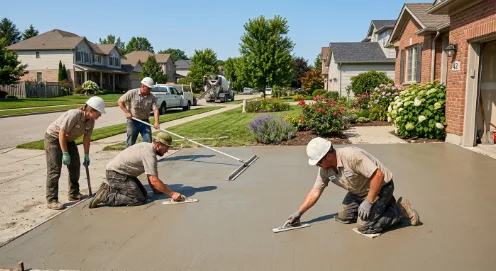
Your driveway does more than get your car from the street to your garage. It’s one of the first things guests notice when they pull up, and it takes a beating from weather, weight, and daily wear that most homeowners never think about until cracks start showing. A well-built concrete driveway can boost your home’s curb appeal, hold up for decades, and save you from constant repair headaches.
That’s why choosing the right team for the job matters so much. Concrete work isn’t something you want to leave to chance, and the difference between a driveway that lasts 30 years and one that starts crumbling after five often comes down to who poured it and how.
This post walks through what goes into a quality concrete driveway, why professional installation pays off, and what to expect when you’re ready to upgrade yours.
What Makes Concrete the Right Choice for Driveways?
Concrete has earned its reputation as one of the most reliable materials for driveways, and for good reason. It’s durable, low-maintenance, and versatile enough to match almost any home style.
Here’s what makes it stand out:
- Longevity: A properly installed concrete driveway can last 25 to 30 years or more with minimal upkeep.
- Strength: Concrete handles heavy vehicles, harsh weather, and daily traffic without warping or shifting like asphalt can.
- Design flexibility: From smooth finishes to stamped patterns and decorative colors, concrete adapts to whatever look you’re going for.
- Low maintenance: Occasional sealing and cleaning are usually all it takes to keep it looking sharp.
While the material itself is a smart investment, the quality of the installation is what truly determines how long your driveway will last.
Why Professional Installation Matters More Than People Realize
Pouring concrete looks simple from the outside, but there’s a lot happening beneath the surface that determines whether your driveway holds up or fails early. Hiring experienced concrete driveway installers who understand proper grading, reinforcement, and curing techniques can be the deciding factor between a driveway that lasts decades and one that cracks within a few years.
A few things that experienced installers get right:
Proper Site Preparation
Before any concrete gets poured, the ground needs to be graded correctly to prevent water pooling and drainage issues. Skipping this step is one of the most common reasons driveways develop cracks or sink over time.
The Right Concrete Mix
Not all concrete mixes are created equal. Factors like climate, soil type, and expected weight load all influence what mix ratio works best. Getting this wrong can lead to a surface that’s either too weak or prone to cracking in extreme temperatures.
Reinforcement and Joint Placement
Rebar or wire mesh reinforcement adds strength, while control joints are strategically placed to manage where cracks form (because concrete will crack eventually, but you want to control where). Skilled installers know exactly where these joints need to go based on the driveway’s size and shape.
Curing Time
Rushing the curing process is a shortcut that often backfires. Concrete needs adequate time, sometimes several days to a few weeks, to reach its full strength before it’s ready for regular use.
Signs It’s Time to Replace Your Driveway
Not sure if your current driveway needs a full replacement or just a patch job? Here are a few signs pointing toward replacement:
- Large, spreading cracks that keep coming back after repairs
- Uneven or sunken sections that create tripping hazards
- Pooling water after rain, indicating drainage problems
- Crumbling edges or surface flaking (also known as spalling)
- A driveway that’s simply outdated and hurting your home’s curb appeal
If you’re noticing more than one of these issues, it’s usually more cost-effective in the long run to invest in a new driveway rather than continuing to patch a failing one.
What to Expect During the Installation Process
Understanding the process can make the whole project feel a lot less overwhelming. Most concrete driveway installations follow these general steps:
- Initial consultation and design: Discussing size, shape, finish options, and budget.
- Old driveway removal (if applicable): Breaking up and hauling away existing material.
- Excavation and grading: Preparing the base for proper drainage and stability.
- Formwork and reinforcement: Setting up forms and adding rebar or mesh as needed.
- Pouring and finishing: Pouring the concrete and applying the chosen finish, whether that’s smooth, broomed, or stamped.
- Curing period: Allowing the concrete to set and strengthen before use.
Depending on the size of the project and weather conditions, this process typically takes anywhere from a few days to a couple of weeks from start to finish.
Getting the Most Value From Your Investment
A new concrete driveway is a significant investment, but it’s one that tends to pay off in both function and appearance. Homes with well-maintained, attractive driveways often see a boost in curb appeal, and that can translate to added value if you ever decide to sell.
To get the best results:
- Choose a finish that complements your home’s exterior style.
- Ask about sealing options to protect against stains and weather damage.
- Discuss maintenance recommendations so your driveway stays in top shape for years.
- Get a clear timeline and warranty information before work begins.
A driveway built with quality materials and proper technique doesn’t just look better on day one. It continues to perform well for decades, saving you money on repairs and replacements down the road.
Ready to Upgrade Your Driveway?
A driveway is one of those home features that quietly does a lot of work every single day, and it deserves to be built right. Whether you’re dealing with a cracked, aging driveway or simply want to boost your home’s curb appeal, investing in quality concrete work now can save you time, money, and frustration later.
If you’re ready to explore your options, reach out to a trusted local concrete team who can walk you through design choices, timelines, and pricing based on your specific property and needs.