Why Aluminum Ceilings Are Becoming the Top Choice for Commercial Buildings
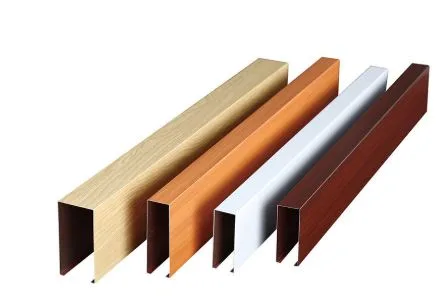
Commercial buildings today require ceiling systems that can balance aesthetics, durability, acoustic performance, and long-term maintenance efficiency. As architects and developers continue to seek materials that support both modern design and practical functionality, aluminum ceilings have emerged as a preferred solution across a wide range of commercial projects.
From office buildings and hotels to airports and retail centers, aluminum ceiling systems are increasingly being specified for their lightweight structure, corrosion resistance, and design flexibility. In addition, growing demand for sustainable construction materials has further accelerated their adoption. Companies offering specialized Aluminum Ceiling solutions are helping project teams achieve both architectural and performance goals while meeting the evolving requirements of modern commercial construction.
Key Benefits Driving the Adoption of Aluminum Ceilings
One of the primary reasons aluminum ceilings are gaining popularity in commercial construction is their combination of performance and versatility. Unlike many traditional ceiling materials, aluminum offers excellent resistance to fire, moisture, and corrosion, making it suitable for demanding environments with high traffic or varying climate conditions. Its lightweight structure also simplifies transportation and installation, helping contractors reduce labor time and overall project costs.
Another significant advantage is design flexibility. Aluminum ceiling panels can be manufactured in various sizes, perforation patterns, colors, and finishes, allowing architects to achieve unique visual effects while maintaining functional performance. For projects where acoustic comfort is important, perforated aluminum ceilings with acoustic backing materials can help reduce noise and improve indoor environments. In addition, aluminum is highly recyclable, supporting sustainable building practices and helping commercial developments meet increasingly important environmental objectives.
Applications Across Offices, Hotels, Airports, and Retail Spaces
Aluminum ceilings are widely used across various commercial spaces due to their versatility and performance. In offices, they provide a sleek, modern look for open-plan areas and reception lobbies while offering easy access for maintenance and integrated lighting. Hotels benefit from aluminum ceilings in lobbies, ballrooms, and corridors, where durability and aesthetic appeal are equally important. Airports increasingly specify aluminum ceiling systems in terminals, waiting areas, and lounges to improve acoustics, reduce maintenance, and create a clean, contemporary environment. In retail spaces, aluminum ceilings enhance visual appeal and allow for flexible lighting layouts, making them ideal for showrooms, shopping centers, and high-traffic areas. Across all these applications, aluminum ceilings combine functional performance with design flexibility, ensuring long-term durability while supporting the overall architectural vision of each commercial project. Their lightweight structure and corrosion resistance make installation efficient and cost-effective, further contributing to their popularity in diverse commercial settings.
Case Studies Demonstrating Real-World Advantages
In recent commercial projects, aluminum ceilings have proven their value in both aesthetic and functional performance. For instance, a major airport terminal recently installed perforated aluminum ceiling panels throughout its lounges and gates, enhancing acoustic comfort while maintaining a modern, sleek appearance. Similarly, a luxury hotel lobby utilized aluminum ceiling systems to create a visually striking environment that is easy to maintain and resistant to wear. These real-world examples highlight why architects and developers are increasingly specifying aluminum ceilings for demanding commercial spaces. To see a full range of options and solutions, explore more Aluminum Ceiling solutions offered by DCZ Building.
Sustainability and Environmental Benefits of Aluminum Ceilings
Sustainability has become a major consideration in modern commercial construction, and aluminum ceilings align well with these evolving priorities. Aluminum is one of the most recyclable building materials available, allowing ceiling panels to be reused and reprocessed with minimal loss of quality. This helps reduce material waste and supports circular construction practices.
In addition to recyclability, aluminum ceilings offer a long service life and require relatively little maintenance compared to many traditional ceiling materials. Their resistance to corrosion, moisture, and wear reduces the need for frequent replacements, helping lower the environmental impact associated with manufacturing and transportation. Lightweight aluminum panels can also contribute to more efficient logistics and installation processes.
As developers increasingly pursue green building certifications and sustainable design strategies, aluminum ceilings continue to gain recognition as a practical solution that combines durability, aesthetic flexibility, and environmental responsibility. These advantages make them an attractive choice for commercial projects focused on long-term performance and sustainability goals.