
Why Aluminum Facade Panels Are Popular in Modern Architecture
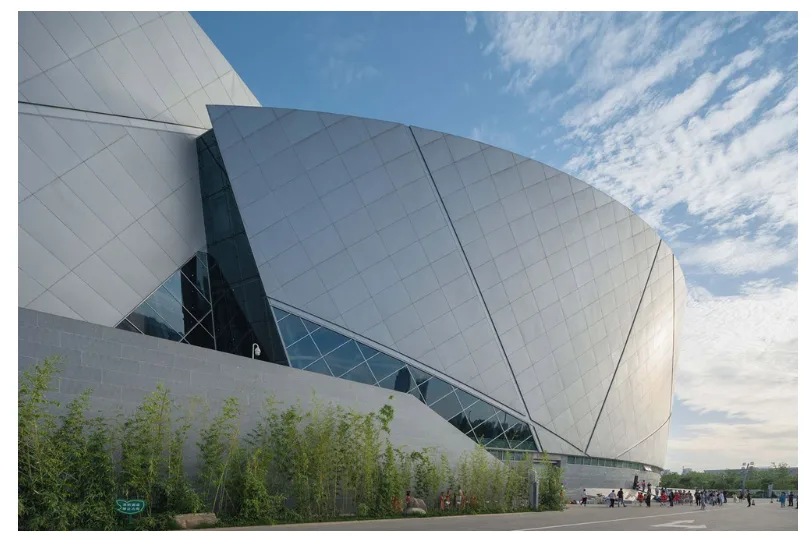
Contemporary architecture focuses on energy savings, design, and sustainability. Aluminum facade panels are the best solution because they offer a mix of style and high performance, and thus they are critical in residential and commercial buildings.
The aluminum panels have become one of the best solutions with lightweight durability, design, and weather resistance. Their flexibility enables architects to come up with an attractive outward appearance without affecting the functionality and durability.
Lightweight Yet Strong Material
Aluminum facade panels are very strong yet lightweight, and that is why they fit perfectly in modern construction. Such a balance minimizes the structural load, gives durability, makes installation portable, and gives possibilities in architectural design.
High Strength-to-Weight Ratio
The strength of aluminum panels is high in terms of building support, and yet lightweight. This gives architects the ability to come up with massive, bold outside that does not create a lot of pressure on the structure and reinforcement of the building.
Ease of Installation
The lightweight nature of aluminum allows faster installation and reduced costs of labor costs. They also decrease the need for heavy-duty support structures, which simplifies the construction process without compromising structural safety and efficiency.
Durability and Longevity
Aluminum panels have good corrosion and deformation resistance, as well as environmental wear, although they are lightweight. This is durable, hence can be used with long-term performance, considering that this can be used in different climatic conditions.
Aluminum facade panels are lightweight but strong, with the ability to carry innovative architectural designs and ensure structural stability. They are a convenient and durable alternative to modern buildings due to their strength and convenience.
Versatile Design Options
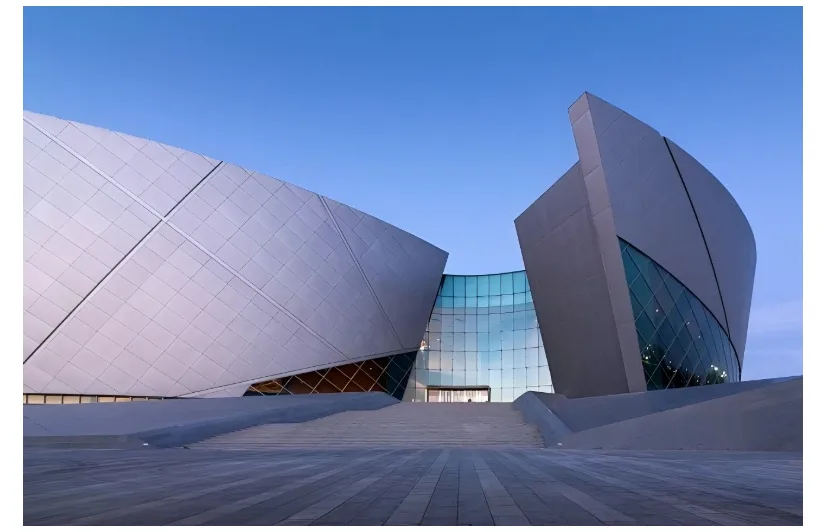
The aluminum facade panels provide unrivaled flexibility in design, enabling architectural artists to create a creative and modern exterior. These panels are shaped, textured with any color and pattern that can be integrated into any vision of a building.
Custom Shapes and Forms
A panel is capable of being shaped, curved, or angled to suit more complicated building geometries. The flexibility will allow the architects to come up with new and dynamic designs that can be differentiated in contemporary architectural projects.
Variety of Finishes
The facade of aluminum panels is available as anodized, powder-coated, or brushed. These alternatives offer extensive aesthetic opportunities, which give architects the chance to develop customized and aesthetically impressive building fronts.
Perforated Panels
Perforated metal panels are used to make building exteriors to create decorative patterns. They also improve functionality by allowing natural ventilation, filtering sunlight, and providing acoustic benefits for a more comfortable indoor environment.
Color Customization
Metal panels can be made in a wide range of colors, which allows an architect to make harmonious (or eye-catching) contrasts. This is a flexible feature that can be employed to improve building facades and match various architectural styles well.
Textured Surfaces
The panels come in a wide variety of colors, giving architects the freedom to develop either harmonious or dramatic contrasts. These finishes produce a high-class, advanced look, which enhances the general look of the exterior of buildings.
Integration with Other Materials
Aluminum panels are perfectly compatible with glass or stone materials or wood. This mix improves the contemporary exteriors, forming attractive, vibrant, and complex outside appearances that moderately relate the beauty and functionality.
Modular Design
Standardized panel sizes and modular systems are made to facilitate installation, making projects to be done efficient. They can also be easily replaced and reconfigured to provide flexibility in the form of creativity and relevance of facades to architects.
Lighting Integration
Aluminum facade panels may include built-in LED lighting as a way to beautify a building. This is good to provide dramatic nighttime scenes, illuminating architectural features, and producing energy-saving, visually spectacular illuminated facades.
The aluminum facade panels have the flexibility enabling architects to make creative dreams come out. Their flexibility in their form and finish and perforation enables them to be used in useful service, in addition to a beautiful exterior design.
Weather Resistance and Longevity
Aluminum facade panels have the benefit of being very durable to corrosion, moisture, and UV radiation. This is because of their long-term performance, which gives buildings structural integrity and beauty in diverse climatic conditions and environments.
Corrosion Resistance
Aluminum panels form a natural oxide that protects them against rusting and corrosion. This feature of resistance renders it a great choice where it is required to work in coastal and humid or otherwise moist conditions and guarantees it to last long.
UV and Weather Protection
Good finishes ensure that aluminum panels are not damaged by the sun, fading, or extreme weather conditions. This can guarantee that the panels do not lose their original color, texture, or visual attractiveness over the years and with the least repairs.
Minimal Maintenance
Panels require minimum care, which reduces the cleaning and repair costs by far. They are durable enough to maintain the pristine look that allows constructions to maintain aesthetic value and extended performance during the entire life of the front.
The aluminum facade panels are weather-resistant and durable, which provides the panels with long-term protection and beauty. Their longevity ensures minimal maintenance and is a sure thing in modern architectural works all over the world.
Energy Efficiency and Thermal Performance
The aluminum facade panels enhance the effectiveness of energy by reflecting sunlight and insulation systems. They control the inside temperature, reduce the use of energy, and contribute to the creation of environmentally safe, eco-friendly buildings.
Reflective Surfaces
Aluminum facade panels are very reflective to sunlight, hence reducing the amount of heat uptake on the surfaces of buildings. This saves on indoor air conditioning, conserves energy, and makes the place comfortable, especially in hot or sunny areas.
Insulation Integration
Aluminum panels are available with insulation layers to improve the thermal performance of a building. The mix produces envelopes that are energy efficient, which saves heating and cooling needs and promotes the objectives of sustainable design.
Sustainable Design Contribution
Aluminum panels are energy efficient, thus aiding buildings to attain green qualifications, which supports sustainable design. They also use less energy in the long run, and therefore, the long-term environmental impact of the project is greatly reduced.
The aluminum facade panels become a part of sustainable architecture by enhancing thermal performance and using less energy. They are more comfortable and cost-efficient, and help to make building an environmentally responsible activity.
Acoustic Benefits
Facade panels composed of aluminum can also contribute greatly to the acoustics of a building. They can minimize the sound made outside, improve the comfort of the interior, and provide a more peaceful setting, particularly in a city or busy setting.
Noise Reduction
Aluminum panels, combined with insulation, have the effect of minimizing the intrusion of external sound. This business combination improves the comfort in the interior and makes the environment less noisy and more peaceful for the occupants.
Urban Applications
These panels suit urban factors, such as commercial buildings and residential towers. They are efficient in mitigating noise pollution, creating a more comfortable living or working environment, and making it a quieter and more pleasant environment.
Enhanced Indoor Comfort
Due to the transformation of external noise, the aluminum facade panels provide a more comfortable and calm interior environment. This improves productivity and general well-being among occupants of residential and commercial premises.
Aluminum facade panels do not simply serve as an aesthetic feature due to their acoustic advantages. They are practical, reducing noise thereby improving the comfort of indoors and building high-performance and peaceful modern buildings.
Cost-Effectiveness Over Time
Aluminum facade cladding has long-term economic advantages. They are a smart investment due to their lifecycle costs and being of high-quality appearance and structural performance, largely due to their durability and low maintenance, and energy use.
Low Maintenance Costs
Aluminum panels have high resistance to weathering and corrosion. This stability saves repair and cleaning of the buildings as it requires less cleaning and repair work to achieve good output in terms of saving the cost of maintenance over the years.
Long Lifespan
Durable materials offer long-life cycle services, reducing the number of replacements. This trustworthy feature lowers maintenance expenses and guarantees a steady performance, thus making them suitable for contemporary building planning.
Energy Savings
Aluminum facades have a thermal efficiency that aids in the regulation of temperatures in the buildings. This lowers the costs of heating and cooling, providing long-term energy savings and improving the general building sustainability over its lifetime.
Aluminum facade panels are long-term investments. Their cost efficiency in terms of reduced maintenance and energy conservation, as well as their longer life span, will aid financial and sustainable objectives in the creation of modern structures.
Popular Applications in Architecture
Aluminum panels for metal facades are commonplace in modern architecture as they have both practicality and aesthetic benefits. The flexibility enables them to be used as decorative elements and as cladding of structures in various types of buildings.
Commercial Buildings
Aluminum facade panels are suitable for office towers, shopping, and hotel areas, and offer modern, stylish effects. It has a combination of strength and beauty that gives it a lasting earthly service and flashy aesthetics of architectural beauty.
Residential High-Rises
It enhances apartment complexes and condominiums through the provision of lightweight, durable, weather-resistant cladding. This solution also enhances the contemporary form of architecture and makes life easier as well as more beautiful.
Public and Civic Structures
Aluminum facade panels are a common material in schools, museums, and government buildings. They achieve a long-lasting durability, have low-maintenance needs, and have an aesthetically eye-catching and corporate appearance on the exterior.
Decorative Facades
The perforated metal panels are designed to allow creative designs to add visual interest but offer excellent light management and ventilation. They are perfectly balanced with elements of practical use and the elements of harmful striking design.
Retail Storefronts
Aluminum facade panels give a smooth, modern appearance that attracts attention to shop fronts. They also protect the building envelope against harsh weather, which ensures protection that is long-term protection and makes the building attractive.
Industrial Facilities
Aluminum panels are lightweight and durable, and they are suitable for a factory and a warehouse. They lessen structural load whilst withstanding severe environmental conditions, thereby providing long-term protection and low maintenance.
Urban Renovations
Aluminum panels are used to update the appearance of a building that is being renovated or retrofitted to upgrade how it looks and to boost its performance. They also enhance energy saving, weather protection, and the long-term life of the building.
Architectural Accents and Features
Aluminum facade panels may be used as sun screens, canopies, or as aesthetic elements. They offer aesthetics and functionalities that improve the performance of buildings, as well as offer an architect the opportunity to be creative in terms of design.
Aluminum facade panels can be used in unlimited architectural projects due to their versatility. They can be used as functional cladding and also as decorative perforations; in contemporary construction, they combine the artistic and the functional use.
Conclusion
Aluminum facade panels have now become pillars of contemporary architecture and include durability, a lightweight effect, and versatility in design. They are an excellent choice of cladding due to their energy efficiency, low maintenance, and beauty.
The fusion of creative finishes, personalized shapes, and convenient functionality makes aluminum panels meet the practical and creative design requirements. They offer value over time, permanence, and visually appealing contemporary building facades.