Why Arabic is Worth Learning: Cultural, Professional, and Personal Benefits
Learning Arabic is one of the most rewarding steps an expat or professional can take in today’s global economy.
It offers a clear path to higher salaries and better job roles in the Middle East. Beyond money, it helps people connect with the local culture and improves brain health.
By focusing on the spoken dialect, anyone can bridge the gap between being a visitor and becoming a valued member of the community.
What if you had the key?
Learning a new language is like gaining a superpower. It changes how you see the world and how the world sees you. Let us explore why it is time for you to learn Arabic language skills and how it can change your life forever.
The Cultural Impact of Learning Arabic
Learning Arabic allows you to move beyond being a tourist and start living like a local by understanding the deep values of hospitality and tradition in the Middle East.
Arabic is not just words. It is a map of a rich history that goes back thousands of years. When you speak the language, you are showing respect. You are telling the local people that their culture matters to you.
Think about the last time you were invited for coffee. In the Arab world, hospitality is a way of life. If you can say a few kind words in the local dialect, the entire energy of the room changes.
Here is what happens when you connect culturally:
- You understand the “why” behind local traditions.
- You make deeper friendships that go beyond small talk.
- You feel more “at home” in a foreign country.
- You gain access to local events that most expats never see.
Professional Growth and Career Advantages
Being able to speak Arabic in a professional setting can increase your value to employers and help you build stronger trust with local business partners.
Did you know that the Middle East is one of the world’s fastest-growing business hubs? Companies in Dubai, Doha, and Riyadh are always looking for people who can bridge the gap between East and West.
If two people apply for the same job, and one speaks Arabic, who will you call?
It is almost always the person who can talk to the clients in their native tongue.
Speaking Arabic is a signal of commitment. It shows you are not just here for a quick paycheck.
| Benefit | How it Helps Your Career |
| Higher Salary | Many companies pay a premium for bilingual employees. |
| Networking | You can talk directly to decision makers without a translator. |
| Better Trust | Locals prefer doing business with people who speak their language. |
| Job Security | You become a “bridge” person who is hard to replace. |
Personal and Cognitive Benefits
Learning a language like Arabic challenges your brain, improving your memory and making you a better problem-solver in daily life.
Your brain is like a muscle. If you do not use it, it gets weak.
Learning Arabic is like a heavy workout for your mind. Because the sounds and the structure are different from English, your brain has to create new paths.
Studies show that bilingual people are better at multitasking. They are also less likely to suffer from memory loss as they get older.
But there is something even better.
It is a boost in confidence.
There is no feeling quite like successfully ordering a meal or finishing a meeting entirely in Arabic for the first time. You feel like you can take on any challenge.
Why the Gulf Dialect Matters for Expats
Speaking the local “Khaleeji” dialect is more useful for daily life and office talk than learning the formal Arabic used in old books.
A lot of people make a mistake.
They try to learn “Modern Standard Arabic” first. While that is a beautiful version of the language, nobody speaks it at the grocery store or in the break room.
If you want to be effective, you need the spoken version. This is the language of the streets and the boardrooms.
- It is faster to learn because it has less complex grammar.
- It is more practical for daily errands.
- It helps you sound like a “local” rather than a textbook.
Breaking the Barrier: Is Arabic Really Hard?
Arabic is often seen as difficult because of its script, but focusing on spoken communication with transliteration makes it much easier for beginners.
Most people quit before they start. They look at the script and think it looks like art, not language.
But here is a secret.
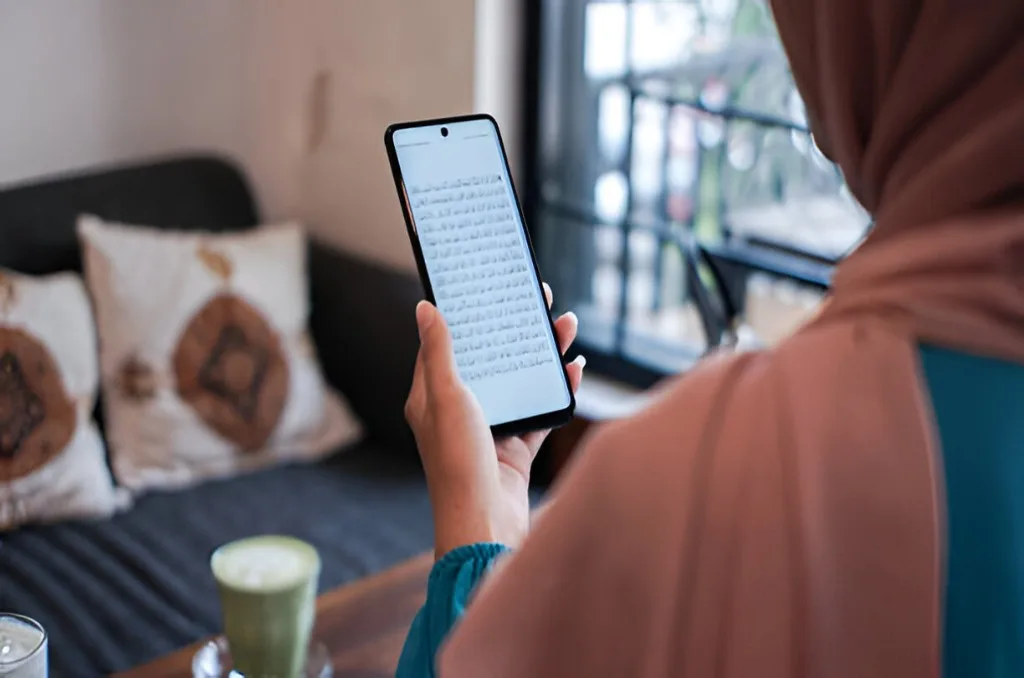
You do not need to read the script to start talking. Many modern programs use English letters to show you how to say the words. This is called transliteration.
Once you take away the fear of the alphabet, the language becomes much more friendly. You start with small blocks.
You learn “hello.” You learn “thank you.” Before you know it, you are building full sentences.
Financial ROI of Learning Arabic in the GCC
The return on investment for an Arabic course is very high, as even a slight increase in communication skills can lead to significant career promotions.
Let us look at the numbers. A typical course might cost a few hundred dollars. However, the potential increase in your yearly earnings could be thousands of dollars.
Industry insights show that professionals who speak the local language are often promoted 20 percent faster than those who do not.
In a competitive market like the UAE or Saudi Arabia, that is a huge advantage.
How to Start Your Arabic Journey Successfully
The best way to start is by joining a live class where you can hear the language and practice speaking with a real teacher immediately.
Don’t just buy a book and let it sit on your shelf. You need interaction.
- Find a Mentor: A teacher can fix your mistakes before they become habits.
- Be Consistent: Even 15 minutes a day is better than 3 hours once a week.
- Use Technology: Join live Zoom classes from your own sofa.
- Speak Out Loud: Don’t just listen. Your mouth needs to practice the new sounds.
Conclusion
The Middle East is a land of opportunity. But those opportunities are much easier to reach if you speak the language.
Whether you want a bigger salary, deeper friendships, or a sharper brain, Arabic is the answer.
It is time to stop being a spectator. It is time to join the conversation.
The door is open.
All you have to do is walk through it.