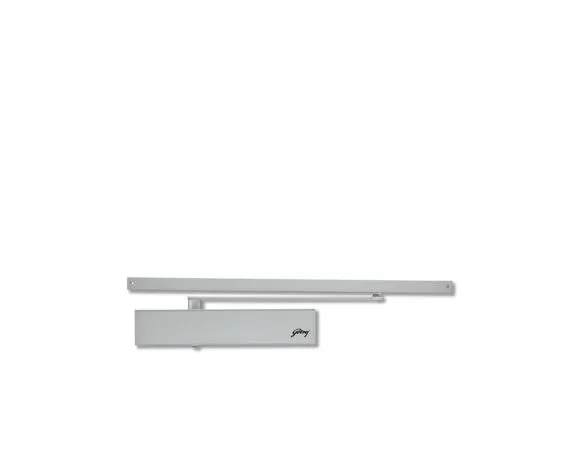
Why Architects Recommend Godrej Enterprises for Concealed Hydraulic Door Closer Solutions
Architects think beyond how a space looks. So, they focus on how it works every day. Doors opening and closing may seem like a small detail, but in busy homes, offices, hospitals, and commercial buildings, this detail matters a lot. A door that slams, sticks or shuts too fast affects comfort, safety and even the life of the door itself.
That is why many architects recommend concealed hydraulic door closers. These systems offer smooth movement, controlled closing, and a clean finish. When it comes to reliability and long-term performance, solutions from Godrej Enterprises Group are often preferred for projects where quality cannot be compromised.
Why door movement matters in modern design
Doors are used hundreds of times a day in high-footfall areas. If the closing mechanism is poorly designed, it leads to noise, wear and safety risks. A sudden slam can damage the door frame, crack glass panels or injure users.
Architects aim to avoid these issues at the design stage. A concealed hydraulic solution allows the door to close gently and consistently, regardless of who uses it. This controlled motion improves user experience and protects the structure over time.
What makes concealed hydraulic door closers different
Unlike surface-mounted closers, concealed systems are hidden within the door or frame. This keeps the design clean and uncluttered. There are no visible arms or bulky hardware interrupting the look of the space.
From a functional point of view, these systems utilise hydraulic control to regulate speed and force. A properly designed hydraulic door solution ensures the door closes smoothly without sudden jerks. It also adapts well to frequent use, making it ideal for commercial and institutional buildings.
Architects value consistency and reliability
Architects work with multiple stakeholders. Builders want easy installation. Clients want durability. End users want comfort. A door closer must satisfy all three.
Godrej Enterprises Group has built a reputation around dependable engineering. Their concealed hydraulic door closer solutions are designed to perform consistently over longer periods. This reliability minimises callbacks, maintenance issues and complaints after project handover.
For architects, this matters a lot. Recommending products that work as expected protects their professional credibility.
Clean aesthetics without compromise
Modern architecture often favours minimalism. Clean lines, flush surfaces and subtle hardware are key design elements. Visible door mechanisms can disrupt this balance.
Concealed closers fit neatly into this design approach. They allow doors to function smoothly while staying visually discreet. This is especially important in premium interiors, glass doors and public-facing spaces where appearance influences perception.
When paired with well-designed hardware such as a refined glass door handle, the result is both functional and visually balanced. Architects prefer solutions that support design intent without forcing compromises.
Smooth operation improves safety
Safety is yet another reason architects recommend concealed hydraulic systems. Controlled closing reduces the risk of fingers getting caught, glass panels cracking or doors swinging unpredictably.
In places like hospitals, offices and educational buildings, smooth door operation supports accessibility and ease of movement. A well-calibrated hydraulic door mechanism helps doors close securely without causing disruption or discomfort.
This level of control becomes even more important in fire-rated doors and heavy doors where unmanaged movement can be risky.
Suitable for demanding environments
Not all doors face the same level of use. Some open occasionally while others operate constantly throughout the day. High-traffic areas demand hardware that can handle stress without losing performance.
Concealed hydraulic door closers from leading manufacturers are made for such conditions. Godrej Enterprises Group focuses on durability, ensuring their solutions perform well even in demanding environments like commercial complexes, hotels, and public buildings.
Ease of integration for project teams
From a project execution point of view, compatibility matters. Door closers must work well with different door types, materials and layouts.
Architects often prefer solutions that integrate smoothly with standard door designs. Concealed systems allow this flexibility while maintaining uniform performance across the site. This reduces installation challenges and keeps project timelines on track.
When hardware works as expected, coordination between architects, contractors and installers becomes much simpler.
Long-term value over short-term fixes
Choosing the right door closer is not just about upfront cost. Poor-quality systems wear out faster, leading to replacements, repairs and dissatisfaction.
Architects tend to recommend products that offer long-term value. Durable concealed hydraulic solutions reduce maintenance needs and extend the life of doors and frames. Over time, this proves more economical and reliable for building owners.
Conclusion
Architects recommend concealed hydraulic door closers because they combine function, safety and design clarity. These systems ensure doors operate smoothly, protect users and preserve the look of a space.
Godrej Enterprises Group stands out for its focus on dependable engineering and practical performance. Their concealed hydraulic solutions meet the expectations of architects who prioritise durability, clean design and everyday usability.
In well-designed buildings, good hardware is rarely noticed. It simply works. That quiet reliability is exactly why architects continue to trust concealed hydraulic door closer solutions from experienced manufacturers.