Why Centipede Sod Works for Commercial Landscapes in Eastern North Carolina
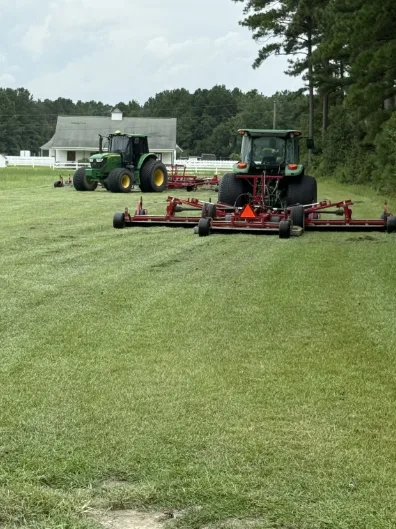
Commercial landscapes need grass that can handle regional weather conditions without demanding constant maintenance. In Eastern North Carolina, centipede grass is a practical option for many commercial properties because it grows slowly, performs well in warm weather, and generally requires less fertilizer than several other warm-season grasses.
For landscaping contractors, builders, developers, HOA managers, and commercial property managers, these characteristics can make centipede sod a useful choice for projects where long-term maintenance and reliable establishment matter.
Why Centipede Grass Suits Eastern North Carolina
Eastern North Carolina experiences hot summers, periods of heavy rainfall, and soil conditions that often include sandy textures and natural acidity. Centipede grass is adapted to warm climates and can perform well in these conditions when the site is properly prepared.
Its relatively low maintenance requirements make it especially appealing for commercial developments with large areas of turf. Instead of selecting grass that needs frequent mowing and regular fertilizer applications, project managers can consider centipede grass for suitable sites where a simpler maintenance schedule is preferred.
However, soil conditions, drainage, sunlight, and intended use should always be evaluated before selecting a turf variety.
Lower Maintenance for Commercial Properties
Maintenance costs can add up across office parks, retail centers, and HOA common areas. Centipede grass grows more slowly than some other warm-season turf varieties, which generally reduces mowing frequency during the growing season.
Its modest fertilizer requirements can also simplify routine turf management. Excessive fertilization is unnecessary and may encourage unhealthy growth or create environmental concerns, particularly around drainage systems and stormwater features.
For commercial property managers, the main advantages include:
- Less frequent mowing compared with faster-growing turf varieties.
- Lower routine fertilizer requirements when soil conditions are suitable.
- Good adaptation to warm summer weather.
- Useful coverage for appropriate large commercial landscapes.
- A maintenance approach that can be easier to manage across multiple sites.
Actual maintenance needs still depend on weather, soil quality, irrigation, and the level of wear a property experiences.
Where Centipede Sod Works Best
centipede sod in jacksonville nc grass can be a good fit for commercial areas that need an attractive, relatively low-maintenance turf surface without supporting constant heavy activity.
Office parks and retail centers may use it in roadside strips, entrance areas, and landscaped sections away from busy pedestrian routes. Developers can also consider it for suitable open spaces in new commercial developments.
HOA common areas may benefit from its slower growth, particularly in shared green spaces that receive limited recreational use. Roadside areas and selected stormwater landscapes can also be candidates, provided the soil, drainage, sunlight, and erosion-control requirements are appropriate.
Centipede grass is not suitable for every commercial application. Athletic fields, heavily used pedestrian shortcuts, and other high-traffic areas may need a more wear-tolerant turf variety.
Understanding Sunlight, Soil, and Traffic Limitations
Centipede grass generally performs best in full sun to light shade. Deeply shaded areas beneath dense tree canopies may develop thin coverage, creating bare patches and increasing maintenance concerns.
It also prefers acidic soil and typically has relatively low fertility requirements. Soil testing helps determine whether amendments are necessary and prevents unnecessary fertilizer applications.
Foot traffic is another important consideration. Centipede grass has moderate traffic tolerance, so commercial sites with regular pedestrian movement should include designated walkways to reduce wear.
Property teams should evaluate these factors before specifying the grass for a project. Choosing turf based on the actual conditions of the site can reduce avoidable maintenance problems after installation.
Why Sod Is Often Preferred for Commercial Projects
Commercial construction schedules rarely leave much room for waiting on newly seeded turf to establish. Sod provides an established grass surface immediately after installation, allowing projects to move more quickly toward landscape completion.
Compared with seeding, sod offers several practical advantages:
- Immediate ground coverage: Installed turf covers exposed soil more quickly.
- Erosion reduction: Properly installed sod helps protect soil from rainfall and surface runoff.
- Project scheduling: Contractors can coordinate installation with construction milestones and landscape inspections.
- Professional appearance: Finished areas look more established during property handoff.
- More predictable coverage: Sod avoids some of the uneven establishment problems associated with seeding.
Sod still requires proper soil preparation, adequate watering, and time for roots to establish. It should not be treated as fully established simply because the surface looks finished.
Planning Sod Delivery and Installation
Timing is particularly important when coordinating commercial landscaping work in Jacksonville and throughout Onslow County. Fresh sod should generally be installed within 24 to 48 hours of harvest to help maintain quality.
Contractors should prepare the site before delivery, including grading, debris removal, soil preparation, and arrangements for watering. Delivery should be scheduled around the installation crew’s capacity so the sod can be laid promptly rather than sitting on pallets.
For commercial projects in Eastern North Carolina, sourcing centipede sod from a local farm, such as Creekside Sod, can help contractors coordinate regional supply with their installation schedules.
Project managers should confirm the turf variety, harvest timing, delivery arrangements, and quantity required before the installation date. These details help reduce delays and make better use of labor and equipment.
Making the Right Choice for Commercial Landscapes
Centipede sod offers commercial landscaping teams a useful combination of slow growth, modest fertilizer requirements, and adaptation to warm, acidic soil conditions. It can work particularly well in office parks, retail properties, HOA common areas, and suitable new developments throughout Eastern North Carolina.
Its limitations remain important. Sunlight, soil conditions, drainage, and foot traffic all influence whether it is the right selection for a particular site.
By evaluating these factors early and coordinating fresh sod delivery with site preparation, contractors and property managers can create commercial landscapes that are easier to maintain and better suited to the region’s growing conditions.