Why Chair Upholstery in Sydney Is a Smart Investment
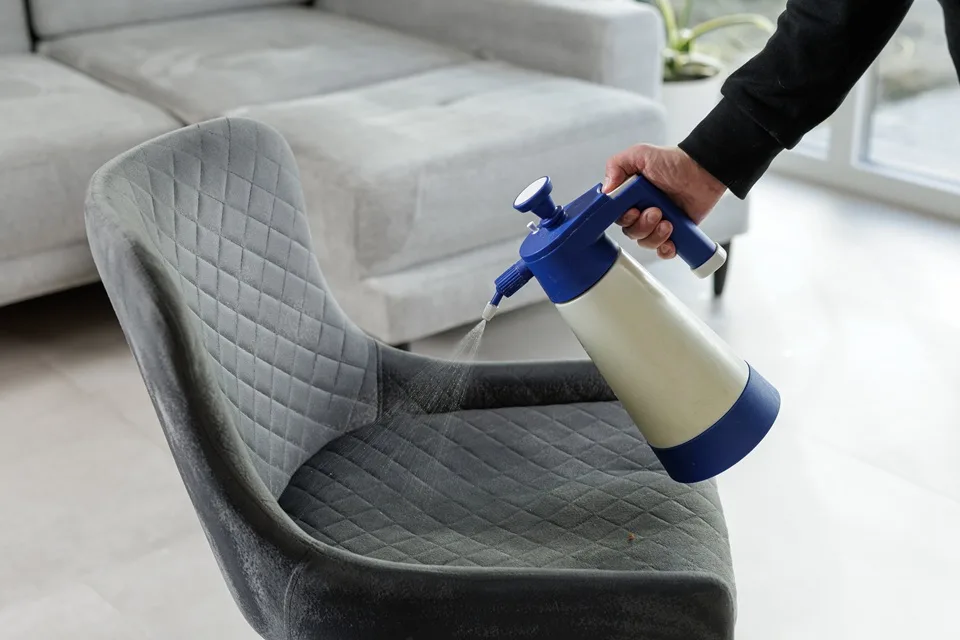
A worn chair does not always need to be replaced. If the frame is still strong and the furniture remains suitable for the room, reupholstery can renew the parts that experience the most wear while preserving the structure underneath.
Professional chair upholstery services in Sydney can address faded or damaged fabric, compressed cushioning and other worn upholstery components. For dining chairs, armchairs, occasional seating and distinctive older furniture, this can be a practical alternative to buying new pieces of comparable quality.
Whether chair upholstery Sydney represents good value depends on the condition of the furniture, the work required and what it would cost to replace the chair with something of similar construction.
Reupholstery Preserves What Is Still Working
The first question is not whether the fabric looks worn. It is whether the chair underneath remains worth keeping.
A well-constructed frame can last considerably longer than the upholstery covering it. Fabric is exposed to friction, spills, sunlight and everyday contact, while foam and padding gradually compress through repeated use.
Before proceeding with upholstery, assess:
- Frame stability
- Condition of joints and structural components
- Cushioning and internal support
- Dimensions and comfort
- Suitability for the room
- Replacement cost for a comparable chair
If the structure remains sound, renewing the worn components allows the useful parts of the furniture to remain in service.
This can be particularly valuable for matching dining suites. When one or more chairs become worn, finding replacements with exactly the same proportions, timber finish and design can be difficult. Reupholstering the existing set preserves its consistency while updating the surfaces that need attention.
Chair Upholstery Can Restore Comfort
Fabric is only the visible layer of an upholstered chair.
Over time, seat foam can compress, padding can lose its shape and internal support can deteriorate. A chair may begin to feel uneven, sagging or less comfortable even when the outer fabric does not appear heavily damaged.
Simply fitting new fabric over worn cushioning does not resolve these problems.
An upholsterer can assess the chair beneath the covering and determine which materials need attention. Depending on the construction, this may involve replacing or reshaping foam, restoring padding or repairing support components before the new upholstery is fitted.
The required level of firmness should also suit the chair’s intended use.
A dining chair generally needs supportive cushioning that remains comfortable throughout a meal without becoming excessively soft. An armchair used for reading or relaxing may benefit from a different feel and level of padding.
Addressing comfort at the same time as appearance makes the finished chair more useful rather than simply making it look newer.
Fabric Can Be Selected for the Chair’s Actual Use
One of the main advantages of reupholstery is the opportunity to choose material based on how the furniture is used now.
A decorative bedroom chair may experience relatively little wear. A dining chair used several times each day needs a more practical textile. Seating in an office, reception area or hospitality environment may experience heavier use again.
Abrasion resistance is one factor to consider when comparing upholstery textiles. The Martindale test is commonly used to assess how fabrics respond to repeated rubbing under controlled conditions. A higher result can indicate greater resistance to abrasion, although the number should not be considered in isolation.
Other practical characteristics include:
- Fibre composition
- Cleaning requirements
- Colourfastness
- Resistance to pilling
- Surface texture
- Pattern repeat
- Suitability for pets or children
- Manufacturer recommendations for upholstery use
The fabric should also suit the shape of the chair. Large patterns require careful placement, particularly across several matching chairs. Thick or rigid textiles may behave differently around curves, piping or detailed upholstery work.
Choosing according to actual use helps the finished chair remain practical after the restoration is complete.
Reupholstery Can Refresh Furniture Without Changing Its Proportions
Furniture that already works well within a room has an advantage over an unknown replacement: its dimensions are proven.
A dining chair already fits beneath the table. An armchair may fit comfortably into a particular corner. An occasional chair might have the right height and proportions beside other furniture.
Replacing it means finding another piece that satisfies the same dimensional requirements as well as appearance and comfort.
Chair upholstery retains the existing form while allowing its visual character to change.
A traditional chair can be updated with a simpler contemporary textile. Neutral fabric can make an ornate frame feel more restrained, while colour or pattern can turn a basic chair into a stronger feature.
This makes upholstery particularly useful when renovating or changing an interior without wanting to replace every piece of furniture.
Extending Furniture Life Can Reduce Unnecessary Waste
Repairing furniture that still has a usable structure can also support a more resource-conscious approach to furnishing a home or business.
The NSW waste hierarchy prioritises avoiding and reducing waste before disposal. Repair and reuse help keep products and materials in circulation for longer rather than discarding them once one component becomes worn.
Furniture illustrates this principle clearly.
A chair may contain a durable timber or metal frame that remains functional while the fabric or foam has reached the end of its useful life. Replacing only the worn materials allows the serviceable structure to continue being used.
This does not mean every old chair should be restored. If a frame is severely damaged, unstable or inappropriate for the required use, extensive repair may not be worthwhile.
The environmental benefit is strongest when upholstery extends the life of furniture that genuinely remains useful.
Compare Reupholstery With an Equivalent Replacement
A useful cost comparison should involve furniture of similar quality.
Comparing the upholstery cost of a solid, well-constructed armchair with the price of a basic mass-produced replacement may make reupholstery appear expensive. The comparison changes when the replacement would need similar frame quality, dimensions, comfort and materials.
Consider:
- What would a genuinely comparable replacement cost?
- Is the existing frame well made?
- Would new furniture fit the room equally well?
- Does the chair belong to a matching set?
- Does it have design or sentimental value?
- How extensive are the repairs required?
An inherited chair or distinctive vintage piece may also have value that cannot be captured through a straightforward retail-price comparison.
The aim is not to prove that reupholstery is always cheaper. It is to decide whether the existing chair contains enough quality and usefulness to justify investment.
Maintenance Should Influence Fabric Choice
The appearance of a fabric on the day it is installed is only part of the decision.
Think about what the chair will encounter over the next several years.
Dining chairs may be exposed to food and drink spills. Furniture in family homes may need to tolerate children and pets. Light-coloured materials can create a clean appearance but may show marks more readily in some settings.
Ask how the fabric should be cleaned and whether professional cleaning is recommended. Using an unsuitable cleaning product can cause discolouration, water marks or damage to the textile.
Sunlight should also be considered. Chairs positioned close to windows may experience fading over time, particularly when exposed to strong direct sunlight.
Selecting material according to the environment can reduce maintenance difficulties later.
Ask What the Upholstery Work Includes
Before proceeding, establish the full scope rather than assuming every quote covers the same work.
The required service may include:
- Removing the existing upholstery
- Inspecting the frame
- Replacing or reshaping cushioning
- Repairing internal support
- Cutting and fitting new fabric
- Replacing piping or trim
- Pattern matching
- Finishing and final inspection
Some chairs require substantially more preparation than others. Detailed frames, deep buttoning, curved shapes and patterned fabrics can all increase the amount of work involved.
A clear assessment before the project begins provides a more realistic understanding of both cost and expected outcome.
When Chair Upholstery Makes the Most Sense
Chair upholstery in Sydney can be a smart investment when the furniture has a solid structure, suitable proportions and qualities worth retaining.
Reupholstery allows worn fabric and cushioning to be renewed without discarding the entire chair. It also gives homeowners and businesses greater control over fabric performance, colour, texture and maintenance requirements.
The decision should begin with the condition beneath the fabric. When the frame is sound and the chair still works well for its intended purpose, renewing the upholstery can preserve comfort, character and useful life while avoiding an unnecessary replacement.