Why CNC Inspection Matters More Than You Think
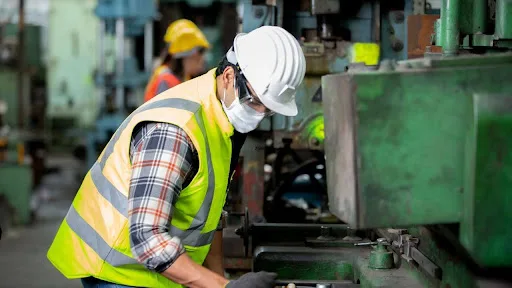
If you run a machine shop, you already know one thing. A part that looks fine can still be wrong. That is why CNC inspection is not just a final step. It is part of the whole job, from start to finish.
Many shop owners think of inspection as extra work. Something you do at the end, if there is time. But that thinking can cost real money. A single bad part can lead to a rejected order, an angry client, or a machine that keeps making the same mistake over and over. So instead of treating CNC inspection as a chore, it helps to see it as insurance. Cheap insurance, compared to the cost of a failed batch.
What CNC Inspection Actually Checks
CNC inspection is the process of checking a machined part against its design. The goal is simple. Make sure the part matches what the drawing says it should be. This includes:
- Size and shape of every feature
- Surface finish and texture
- Hole placement and depth
- Thread quality
- Overall tolerance, meaning how close the part is to perfect
Without this step, a shop is basically guessing. And guessing is expensive.
Why Small Shops Skip It (And Why That’s a Mistake)
Smaller shops often skip proper checks because they think it slows things down. Some owners believe that if the machine is set up right, the parts will always come out right. But machines drift. Tools wear down. Temperature changes the metal slightly. Even a tiny shift can turn a good part into scrap.
That’s why CNC inspection should never be seen as optional. It catches problems early, before they turn into bigger ones. For example, if a drill bit is wearing out, the holes it makes will slowly get smaller. Without checking, nobody notices until ten or twenty parts are already ruined. With regular checks, the problem gets caught after the first or second part.
The Tools Used in the Process
There are many tools used for checking machined parts. Some are simple. Some are advanced. Here are a few common ones:
- Calipers – quick and easy, used for basic measurements
- Micrometers – more precise, good for tight tolerances
- Height gauges – used to check vertical dimensions
- Coordinate Measuring Machines (CMM) – the most accurate option, often used for complex parts
- Optical comparators – project the part’s shape onto a screen for visual comparison
Each tool has its place. A small shop making simple brackets might only need calipers. A shop making aerospace parts will likely need a CMM. The right choice depends on the part, the tolerance, and the industry.
How CNC Inspection Fits Into the Bigger Picture
Quality control is not one single moment. It happens throughout the process. Good shops check in at several points:
- Before the run starts, to confirm the setup is correct
- During the run, to catch drift or tool wear
- After the run, to confirm the final batch meets spec
This layered approach means fewer surprises later on. Also, it builds trust. When a client knows a shop takes CNC inspection seriously, they worry less about defects. They also tend to send repeat business, because they know the parts will be right the first time.
The Human Side of Inspection
It’s easy to think of inspection as a purely technical task, done by machines and gauges. But there’s a human side too. Operators need training to spot problems that a machine might miss. A part could measure perfectly and still have a small crack, a burr, or discoloration that signals a deeper issue.
Experienced machinists often develop a feel for their work. They notice when something sounds off, or when a part doesn’t sit quite right in their hand. This instinct, combined with proper measurement tools, makes for a stronger inspection process overall. Neither the human eye nor the machine alone is enough. Together, they catch far more.
Common Mistakes Shops Make
Even shops that care about quality can slip up. Some common mistakes include:
- Checking only the first and last part in a batch, skipping the middle
- Using worn-out or uncalibrated tools
- Rushing through inspection to meet a deadline
- Not documenting results, so problems repeat without anyone noticing
Each of these mistakes seems small on its own. But together, they can lead to a pattern of missed defects. Fixing them usually doesn’t cost much. It just takes discipline and a bit of planning.
Building a Simple Inspection Routine
For shops that want to improve without spending a lot, a simple routine works well. Start with these steps:
- Check the first part fully before running the rest
- Spot-check every fifth or tenth part, depending on the run size
- Always check the last part before shipping
- Keep a short log of measurements for future reference
This routine doesn’t need fancy software. A notebook or a basic spreadsheet works fine for smaller shops. As the business grows, more advanced systems can be added later.
Final Thoughts
At the end of the day, CNC inspection is about trust. Trust between the shop and the client. Trust between the machine and the person running it. Without proper checks, that trust breaks down fast, often in ways that are hard to repair.
The good news is that building a strong inspection habit doesn’t take a huge budget. It takes attention, consistency, and a willingness to slow down just enough to catch mistakes before they leave the shop. Shops that make CNC inspection part of their daily routine tend to see fewer returns, fewer complaints, and more repeat customers.
So if you’ve been treating inspection as an afterthought, now might be a good time to rethink that. A few extra minutes with a caliper or a gauge can save hours of rework later. And in a business where reputation matters, that small effort pays off again and again.