Why Does an Air Conditioner Leak Water Inside the Home?
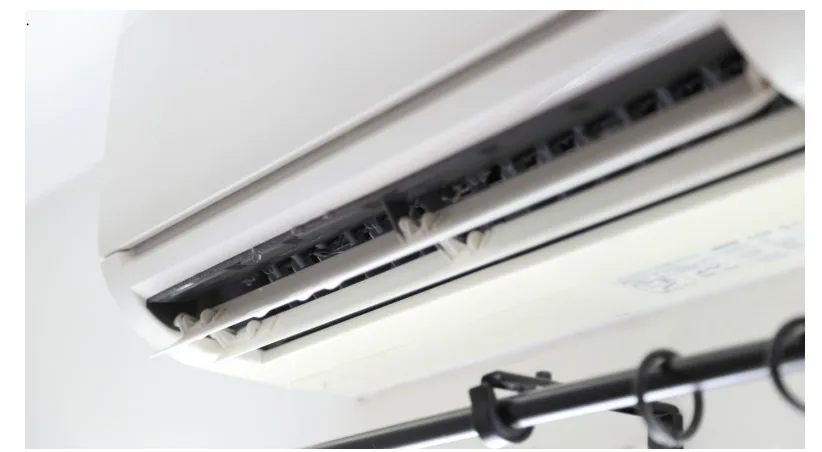
Water around indoor air conditioning equipment can involve the condensate route, a drain pan, a frozen coil or another condition needing assessment. The wet area alone does not identify the failed part. Keep clear of electrical hazards and arrange service rather than opening equipment to investigate.
At Adam’s Air Systems, we encourage homeowners seeking AC repair in Hamilton to describe where the water appears and when it happens. Even if cooling season has ended, recording an unresolved leak is worthwhile. Do not restart the system in unsuitable weather just to demonstrate the symptom.
Why does air conditioning produce water?
Cooling removes moisture from indoor air, and the system needs an appropriate way to collect and carry away that condensate. Water appearing where it should not can mean that process is not working as intended.
Carrier’s explanation of AC water leaks identifies several possible causes. The useful point is that “water leak” describes a symptom shared by different concerns, not one universal repair.
Your installation may also be near other water-connected equipment. Tell the technician what else is nearby so the visible location is not mistaken for a confirmed source.
What should you do first?
Avoid contact with water near wiring, sockets or electrical components. Where controls cannot be reached safely, do not enter the area to use them. Seek appropriate assistance.
Follow the equipment’s normal user instructions where it is safe to do so, and contact a qualified service provider about the leak. Do not remove covers, disconnect piping or keep running a leaking system to see whether it clears.
If the water is spreading, describe that immediately when calling. A contained old stain and active water reaching a finished room are different current conditions, even if the underlying concern turns out to be similar.
Which details should you record?
Record what you can observe without disturbing the installation. Useful information includes:
- Where water is visible and which areas remain dry.
- Whether the system was cooling when the leak appeared.
- Whether the symptom happened once or repeatedly.
- Any visible ice or unusual sound already noticed safely.
- Recent maintenance, installation changes or other nearby leaks.
- The model information available from existing records.
Keep the timeline factual. “We saw water after cooling had been running” is helpful. “The refrigerant is low” is a diagnosis that needs evidence.
Does ice tell you which part has failed?
No. Ice is an important symptom, but it can be associated with different operating concerns. It should be reported rather than treated as proof that one component or refrigerant issue is responsible.
Do not chip ice away, apply heat or alter equipment to clear it. Those actions can damage parts and create hazards. Ask the service provider how the situation should be managed for your particular unit.
Describe whether the ice and water were observed together or at different times. If you have safe photographs, keep them available. Their purpose is to support the history, not replace an on-site assessment.
Can you clear the drain yourself?
Do not apply a generic clearing procedure without knowing the installation and the manufacturer’s permitted user maintenance. A route that looks like a drain may require a different approach or professional access.
Trane’s water-leak guidance also describes multiple possible sources. Pouring a product into an unidentified connection does not establish which one applies.
Tell the technician about any treatment already attempted, including the product and amount if known. Do not mix chemicals or add another product because the first did not change the symptom.
What can you check through ordinary user maintenance?
Read the manual for the actual equipment. If it permits a routine filter task and the area is safe, follow that instruction exactly. Do not substitute a different type or improvise access.
A filter observation can be relevant without explaining the entire leak. Report what you found and what, if anything, changed. Avoid concluding that replacing the filter proves the issue is resolved.
Leave internal electrical, refrigerant and mechanical work to qualified professionals. The preparation goal is to provide information while preserving a safe, undisturbed installation for assessment.
What should you ask after the assessment?
Ask where the water originated, what caused the abnormal condition and how the proposed work addresses it. If more than one concern was found, separate the immediate repair from other recommendations.
Clarify what is included in the quotation and whether access or associated work affects the scope. A component repair and a replacement proposal should not be compared as though they include identical work.
Keep the service record and any model-specific maintenance instructions. If moisture returns later, that record helps explain the new observation without assuming every future leak has the same cause.
Does a leak mean you need AC replacement?
Not automatically. The decision depends on the findings, condition of the system and practical options. A replacement should not be selected from a puddle or an age estimate alone.
For example, a hypothetical system with an identified condensate-related issue may have a different repair discussion from equipment with several wider concerns. Both require an explanation of the actual condition.
Our air conditioner repair and replacement services provide the business context for that conversation. Tell us the symptoms, timing and current conditions. We can discuss the assessment needed before you choose a repair or plan the next cooling season.
If the appointment occurs after the leak has stopped, retain the photographs and dates. An intermittent history is still useful. There is no benefit in recreating water damage or operating equipment outside its instructions simply to make the fault visible again.
Before the appointment, confirm whether the system is currently in use and whether access is through a finished room, cupboard or utility area. Clear ordinary belongings only where safe, and leave fixed panels and connections undisturbed. If a landlord or property manager must authorize work, arrange that contact before the visit.
Keep the confirmed appointment details and the observed leak history together so another household member can explain the same information if they attend the visit.