Why Does My Garage Door Reverse Before Closing in Denver, CO?
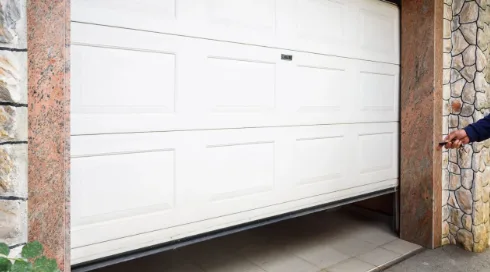
A garage door that starts closing but suddenly reverses before reaching the ground can be frustrating, especially when you are trying to leave home or secure your property. This problem is fairly common among homeowners and can happen for several reasons, ranging from dirty safety sensors to mechanical issues or problems with the garage door opener.
For homeowners in Denver, Colorado, changing weather conditions can make garage door operation even more challenging. Cold temperatures, snow, dust, moisture, and seasonal temperature fluctuations can affect sensors, tracks, rollers, and other components responsible for smooth operation.
Although reversing is often a built-in safety feature, repeated or unexpected reversing should never be ignored. Understanding what causes the problem can help you recognize when a simple adjustment may be needed and when professional assistance is necessary.
Let’s explore the most common reasons a garage door reverses before closing, what warning signs to look for, and how Denver homeowners can address the problem.
1. Dirty or Misaligned Safety Sensors
One of the most common reasons a garage door reverses before closing is a problem with its safety sensors.
Most modern garage doors have photoelectric sensors installed near the bottom of the door tracks. These sensors create an invisible beam across the garage opening. If something interrupts the beam while the door is closing, the opener is designed to stop and reverse the door.
This feature helps protect children, pets, vehicles, and other objects from being trapped beneath a closing garage door.
However, sensors can sometimes detect an obstruction even when the opening appears clear.
Common sensor problems include:
- Dust or dirt covering the sensor lenses.
- Sensors that have become misaligned.
- Loose sensor brackets.
- Damaged wiring.
- Moisture affecting sensor connections.
- Objects blocking the sensor beam.
Denver’s changing weather can contribute to these issues. Dust, moisture, and debris may accumulate around the garage entrance, affecting sensor performance.
Homeowners can visually inspect the sensors for obvious dirt or obstructions and consult the opener manufacturer’s instructions for basic cleaning guidance.
If the sensor indicator lights continue to show a problem or the door repeatedly reverses, a professional inspection may be necessary.
2. Obstructions Along the Garage Door Tracks
Another possible reason your garage door reverses before closing is an obstruction along its path.
Garage doors move along metal tracks that guide the rollers as the door opens and closes. Even small objects can interfere with movement and cause the opener’s safety system to respond.
Common obstructions include:
- Small stones or debris.
- Leaves and dirt.
- Loose hardware.
- Objects stored too close to the tracks.
- Damaged or displaced track components.
Sometimes the obstruction isn’t immediately noticeable. A small object near the bottom of the track may be enough to prevent the door from closing smoothly.
Homeowners should keep the garage door opening clear and look for visible debris without touching damaged tracks or moving hardware.
If the door continues reversing despite a clear opening, the problem may involve track alignment, rollers, or another mechanical component. In cases where the tracks or supporting hardware are severely damaged, professional garage door installation may be worth considering to ensure the new system operates smoothly and safely.
3. Problems With the Garage Door Opener
The garage door opener controls the movement of the door and communicates with its safety systems. When the opener develops an electrical or mechanical problem, the door may behave unpredictably.
For example, the opener may interpret unusual resistance as an obstruction and reverse the door before it reaches the floor.
Potential opener-related issues include:
- Worn internal components.
- Electrical connection problems.
- Faulty control boards.
- Incorrect force or travel settings.
- Intermittent communication with safety sensors.
- Aging opener mechanisms.
A malfunctioning opener may also cause other symptoms, such as delayed responses, unusual noises, inconsistent operation, or failure to respond to remote commands.
Garage door opener systems contain electrical components and safety mechanisms that require proper diagnosis.
If your garage door repeatedly reverses without an obvious obstruction, professional garage door opener repair can help identify the underlying issue and determine the appropriate repair.
A technician can inspect the opener, evaluate its safety features, and determine whether repair or replacement is the better option.
4. Incorrect Garage Door Travel or Force Settings
Garage door openers use travel limits to determine how far the door should move when opening and closing.
They also use force-related settings to monitor the resistance encountered during operation.
If these settings are incorrect, the opener may behave as though the door has encountered an obstruction.
For example, the closing travel limit may be incorrectly calibrated, causing the opener to respond unexpectedly when the door approaches the floor.
Similarly, changes in door balance or mechanical resistance may cause the opener’s safety system to detect unusual operating conditions.
These settings should not be adjusted casually. Incorrect force settings can interfere with important safety protections.
If your door consistently reverses at approximately the same point, have a qualified technician inspect the travel limits, force settings, and overall door balance.
5. Damaged or Worn Garage Door Rollers
Rollers allow the garage door to move smoothly along its tracks. Over time, these components can wear out due to frequent use, dirt accumulation, corrosion, and lack of appropriate maintenance.
When rollers become damaged or seized, they may create additional resistance during operation.
This can cause the opener to struggle while closing and potentially activate its automatic reversal system.
Some warning signs of roller problems include:
- Grinding or scraping noises.
- Jerky door movement.
- Visible roller damage.
- Uneven movement along the tracks.
- Increased vibration during operation.
Denver’s seasonal weather can also contribute to corrosion and dirt accumulation, particularly around garage entrances exposed to moisture and road debris.
Damaged rollers should be inspected and replaced by a professional when necessary. Homeowners should avoid attempting repairs involving loaded door hardware or components under tension.
6. Cold Weather and Temperature-Related Problems
Denver homeowners are familiar with changing temperatures, particularly during the fall and winter months.
Cold weather can affect several garage door components, including metal tracks, rollers, seals, springs, and opener mechanisms.
For example, rubber weatherstripping along the bottom of the garage door may become stiff in freezing temperatures. If it sticks to the garage floor, the opener may encounter additional resistance when attempting to close the door.
Other cold-weather concerns include:
- Ice buildup around the garage door opening.
- Frozen or stiff weatherstripping.
- Increased resistance from worn mechanical components.
- Moisture-related sensor problems.
- Changes in the movement of aging door hardware.
If your garage door works normally during warmer weather but starts reversing during cold mornings, temperature-related issues may be contributing to the problem.
Check for visible ice or debris around the garage entrance and avoid forcing the door if it appears stuck.
Persistent reversing should be evaluated by a garage door professional to make sure the problem isn’t related to a more serious mechanical or opener issue.
7. Damaged or Poorly Balanced Garage Door Springs
Garage door springs help counterbalance the door’s weight, making it possible for the opener to move it safely and efficiently.
When springs become worn, damaged, or lose their proper tension, the door may become difficult to operate.
An opener that encounters excessive resistance may respond by stopping or reversing.
Warning signs of spring problems include:
- A garage door that feels unusually heavy.
- Uneven movement.
- Loud snapping sounds.
- Visible gaps in a torsion spring.
- A door that struggles to open or close.
Spring problems are particularly important because these components operate under significant tension.
Never attempt to adjust, repair, or replace garage door springs yourself. A damaged spring can cause serious injuries if handled incorrectly.
If you suspect a spring problem, stop operating the door and arrange a professional inspection.
8. What Should You Do When Your Garage Door Keeps Reversing?
When a garage door repeatedly reverses before closing, the first step is to avoid forcing it to complete the closing cycle.
Instead, pay attention to when the problem occurs and whether there are any visible warning signs.
Here are a few things homeowners can safely check:
- Look for visible obstructions: Make sure nothing is blocking the garage door opening or interfering with the sensor beam.
- Inspect the sensor lenses: Check for visible dust, dirt, or debris and follow the manufacturer’s cleaning instructions.
- Observe the sensor indicators: Refer to the opener manual to understand what the indicator lights mean.
- Check the garage floor: Look for ice, debris, or other visible obstacles around the door’s closing path.
- Notice unusual sounds: Grinding, scraping, or clicking noises may indicate mechanical problems.
- Avoid repeated operation: If the door continues reversing, stop using it until the issue has been evaluated.
Never bypass safety sensors or increase the opener’s force settings simply to make the door close. These safety systems are designed to help prevent injuries and property damage.
If the garage door is crooked, has damaged cables, or appears to have a broken spring, keep clear of the system and contact a professional.
9. When Should You Call a Garage Door Professional?
Some garage door issues may involve simple visible obstructions, but repeated reversing often indicates a problem that requires proper diagnosis.
You should consider professional assistance when:
- The garage door reverses even when the opening is clear.
- Safety sensor indicators continue showing a fault.
- The opener makes unusual noises.
- The door stops at inconsistent positions.
- The rollers or tracks appear damaged.
- The door moves unevenly.
- The opener responds intermittently.
- You suspect a spring or cable problem.
A trained technician can inspect the opener, safety sensors, tracks, rollers, springs, and other components to determine what is causing the issue.
For Denver homeowners, addressing these problems early can help prevent additional wear and reduce the possibility of being left with a garage door that cannot close properly.
Professional diagnosis is particularly important when the issue involves electrical components, opener settings, or high-tension hardware.
10. How Regular Garage Door Maintenance Can Prevent Reversing Problems
Preventive maintenance can help reduce the likelihood of unexpected garage door problems.
Although every system has different maintenance requirements, homeowners can follow several practical habits throughout the year.
- Keep the garage door opening free from debris.
- Check visible sensor lenses periodically.
- Pay attention to unusual noises or changes in movement.
- Inspect weatherstripping for visible deterioration.
- Keep the garage floor clear around the door.
- Arrange professional inspections when mechanical problems appear.
- Follow the manufacturer’s recommendations for lubrication and maintenance.
In Denver, seasonal inspections can be particularly useful because temperature fluctuations and moisture exposure may affect garage door components throughout the year.
A well-maintained system is less likely to develop unexpected operating problems and can provide more dependable performance.
Keep Your Garage Door Operating Safely in Denver, CO
A garage door that reverses before closing is usually responding to a safety concern or an operating problem that needs attention.
Dirty sensors, mechanical obstructions, damaged rollers, opener malfunctions, incorrect settings, and cold-weather conditions can all contribute to this issue.
While some visible problems may be easy to identify, others require professional diagnosis to prevent further damage and maintain safe operation.
Denver homeowners should pay attention to repeated reversing, unusual noises, uneven movement, and other changes in garage door performance.
If the problem continues, arranging professional service is a sensible step. An experienced technician can identify the cause, inspect the relevant safety components, and recommend an appropriate solution.
For homeowners experiencing persistent opener problems, exploring local garage door opener services in Denver, CO is a useful starting point.
With proper maintenance and timely repairs, you can help keep your garage door operating smoothly, protect your property, and avoid unexpected problems throughout the year.