Why Drains Slow Down in Toronto Homes and How to Stop It Before It Turns Into a Real Problem
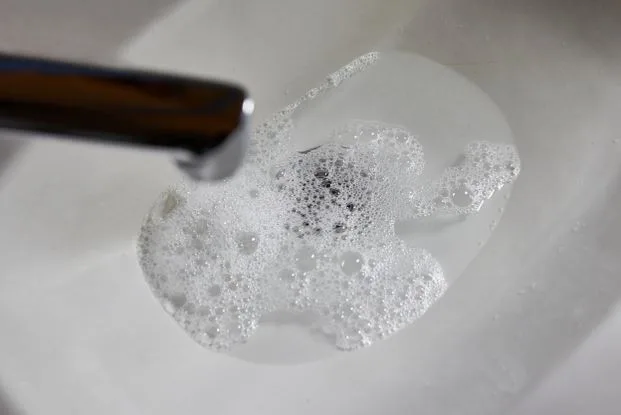
A slow drain is one of those things people ignore longer than they should. It still works, just a bit slower, so it gets pushed aside. In Toronto homes, that “slightly slow” stage is usually the start of a much bigger buildup inside the plumbing system.
What a slow drain is actually telling you
Water doesn’t slow down for no reason. Inside the pipe, something is narrowing the space it has to move through. That restriction builds gradually, so the change at the sink or tub feels minor at first.
Most drains slow down because of a combination of:
- Grease hardening inside kitchen pipes
- Hair binding with soap residue in bathrooms
- Mineral buildup from water over time
- Small debris catches and sticks to rough pipe surfaces
Once this layer starts forming, every use adds more material to it. That’s why the problem keeps returning even after a basic fix.
If homeowners search for help to fix slow drains in Toronto, they’re usually already at this stage.
The most common causes in Toronto homes
Different rooms create different types of buildup. Understanding where it starts helps stop it from spreading through the system.
Kitchen sinks
Kitchen drains deal with grease, oil, and food particles. Even small amounts of cooking fat solidify as they cool and stick to pipe walls. Over time, this traps debris and reduces flow.
Bathroom sinks and showers
This is mostly hair and soap residue. Hair doesn’t wash away cleanly. It catches on rough surfaces inside the pipe and forms clumps that grow with every use.
Main drain lines
When more than one fixture starts slowing down, the issue is no longer local. It often means a buildup deeper in the system or an early-stage blockage in the main line.
At this point, calling a drain-cleaning service in Toronto is more effective than treating individual fixtures.
Early signs people usually overlook
Slow drainage rarely appears suddenly. The warning signs are small enough that they get dismissed. When these appear together, it’s rarely isolated. It usually points to a shared blockage further down the line.
Watch for:
- Water taking slightly longer to disappear
- Gurgling sounds after draining
- A faint smell from sinks or tubs
- Water briefly rising before it drains
- One drain affecting another nearby fixture
What you can do before calling a plumber
There is a difference between maintenance and repair. Early buildup can sometimes be managed at home, but only if it hasn’t hardened or spread.
1. Hot water flush (simple but effective in early stages)
Hot water helps soften grease buildup in kitchen pipes. It works best when done regularly, not after the drain is already heavily restricted.
2. Baking soda and vinegar for surface buildup
This helps loosen organic residue sitting near the drain opening. It won’t clear deep clogs, but it can slow down buildup progression.
3. Mechanical cleaning of visible blockages
Removing hair and debris from stoppers or drain covers is often the quickest improvement in bathroom drains.
4. Plunger use for partial blockages
A plunger works when water still moves, just slowly. It’s not effective once the pipe is fully restricted.
When the problem is no longer DIY
There’s a clear line where home methods stop working. The biggest indicator is repetition. If the same drain slows down again within days or weeks, the issue is no longer surface-level.
At that stage, the blockage is usually:
- Deeper in the pipe system
- Compacted and hardened
- Spread across multiple sections of plumbing
How professional drain cleaning actually solves the issue
Professional drain cleaning is not just about removing a clog. It focuses on restoring full pipe diameter and flow.
A typical process includes:
- Camera inspection to locate buildup
- Identifying the type of blockage (grease, roots, debris)
- Mechanical cutting or hydro-jet cleaning
- Full system flush to confirm clearance
Professional services like Drain Rescue Plumbers’ drain cleaning use high-pressure systems that remove buildup from pipe walls, not just the center flow path. That detail matters because partial cleaning is one reason drains clog again quickly.
Why do drains keep slowing down again
Recurring slow drains usually come down to conditions inside the pipe, not just one blockage.
Common reasons include:
- Grease layers not fully removed during previous cleaning
- Rough or aging pipes that trap debris easily
- Continued disposal of fats or solids down drains
- Tree root intrusion in underground lines
In older Toronto homes, these factors often overlap, which is why the same drain issue keeps returning.
How to keep drains from slowing down again
Prevention here is practical, not complicated. Small habits make a noticeable difference over time.
Daily habits
- Never pour grease or oil down the sink. Even small amounts build up and harden inside pipes over time. According to the City of Calgary wastewater guidance on protecting pipes, fats, oils, and food residue are among the leading causes of residential drain blockages and sewer backups.
- Use drain strainers in sinks and showers
- Dispose of food waste in the trash instead of rinsing it away
Weekly maintenance
- Run hot water through the kitchen drains after heavy use
- Clean visible drain covers
- Rinse bathroom drains to prevent buildup around edges
Long-term maintenance
Scheduling occasional professional cleaning helps prevent buildup from reaching the pipe walls in the first place, especially in homes that already had slow-drain issues.
When it’s time to call professionals
Some signs mean the issue is no longer developing; it is already established.
Call a plumber in Toronto if:
- Multiple drains slow down at once
- Water backs up into sinks or tubs
- There is a persistent sewer smell
- The same drain keeps clogging after cleaning
- Water drainage becomes unpredictable
Closing perspective
A slow drain is rarely just a small inconvenience. It is usually the earliest visible stage of buildup happening inside the plumbing system. The difference between a simple clean and a serious blockage comes down to how long it’s left and how far the buildup has already spread.
Toronto homes often see this due to a mix of older plumbing systems and everyday usage habits. The key is not reacting late, but recognizing when slowing water is the first signal that the system needs attention.