Why Empty Homes Need Probate House Insurance Protection in the UK
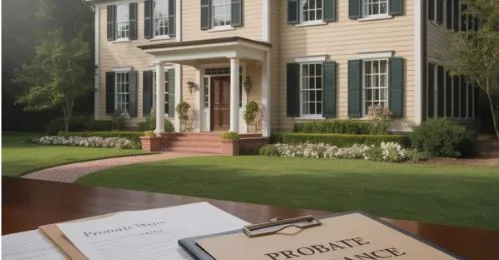
Probate house insurance is a specialised insurance that is offered on properties which turn out to be unoccupied during the legal probate process. Probate house insurance is necessary in the UK because standard house insurance is likely to become invalid as soon as a property is left empty for a considerable period. Probate house insurance covers buildings, contents, and liability risks as the estate is being administered.
The importance of probate house insurance is that:
- As property goes through probation, it is often left vacant for several months.
- Normal home insurance may not apply to unoccupied homes.
- Risks such as theft, vandalism, and water damage are greatly increased.
Probate house insurance is a type of insurance that covers the property financially during the probate process.
What is Probate House Insurance?
Probate house insurance is an expert policy that is used to cover a property owned by the estate of a deceased person during probate. It is also known as executor insurance or estate insurance.
The need for this kind of insurance arises because, legally, the property is in the possession of the estate, and it may be long before it is occupied, exposing it to increased risk. Probate house insurance is one that covers the property if it is sold or transferred to the beneficiaries.
Why Probate House Insurance is Important
Probate house insurance is important because unoccupied homes are more susceptible to risks than occupied homes.
Key reasons include:
- Burglary and vandalism are at high risk.
- Higher risk of undetected water leakage or fire damage.
- Damage caused by weather that is not detected.
- Standard policies tend to be invalid within 30-90 days of vacancy.
One of the most significant causes that probate house insurance is necessary is the unoccupied property risk.
How Probate House Insurance Works
Probate house insurance operates by assigning the insurance to be done by the executor or administrator of the estate and not by the deceased.
It ensures:
- The property is insured as long as probate occurs.
- Laws that protect executors who deal with the estate.
- Cover of vacant homes pending sale or transfer.
- Adherence to the insurer’s requirement of unoccupied properties.
Probate house insurance is designed in such a way that it can meet the needs of the estate administration.
Probate House Insurance vs Standard Home Insurance
Normal domestic insurance does not cover long-term vacant houses.
Key differences include:
- Normal insurance entails regular occupancy.
- Probate house insurance is used to insure empty houses.
- Risk conditions are corrected on empty homes.
- There may be other inspections or security conditions.
Such a difference is essential, as most home insurance policies limit coverage when a property is vacant.
What Does Probate House Insurance Cover?
Insurance of the probate house usually consists of:
- Buildings insurance (structural protection)
- Contents insurance (if furniture remains inside)
- Theft and vandalism insurance.
- Fire, flood, and storm damage cover
- Injury coverage of liability.
This is extensive coverage of the estate, which is not lost during the process of conducting probates.
Unoccupied Property Risk Factors in Probate
Unoccupied property faces greater insurance risks, such as broken pipes from lack of heating, undetected water leaks that can cause structural damage, and a higher risk of break-ins due to the lack of occupants. Also, any property can degrade over time without proper care, and any emergency, like fire or flood, can not be responded to in time, resulting in further damage. These dangers clearly indicate why probate house insurance is necessary for providing financial security during the probate period.
Duration of Probate House Insurance Cover
Probate house insurance is very dynamic and can be insured in:
- Short-term cover (3 months)
- Medium-term cover (6–9 months)
- Long-term cover (12 months or above)
This is flexible to accommodate different probate schedules based on the complexity of an estate.
Who Needs Probate House Insurance?
The following are required to have probate house insurance:
- Administrators of a will.
- Estate administrators
- Beneficiaries of inherited property.
- Solicitors who deal with estates.
Any person in charge of property in probate should ensure the proper insurance is in place.
Key Benefits of Probate House Insurance
The key advantages of probate house insurance are:
- Constant guard in the probate process.
- Estate security of finances.
- Insurance requirements are adhered to.
- Coverage against property damage that is not expected.
- Executors and family peace of mind.
Probate house insurance can be used to ensure the estate remains secured until final settlement.
Conclusion
Probate house insurance is an important protection for vacant properties during the probate process in the UK. Because standard home insurance usually ceases to exist when a house is left vacant, probate house insurance offers the much-needed cover against theft, damage, and liability risks. It guarantees executors and beneficiaries to manage the estate without any doubts and full insurance coverage.
Probate house insurance is an unavoidable component of proper estate housekeeping, whether the property is waiting to be sold or transferred.