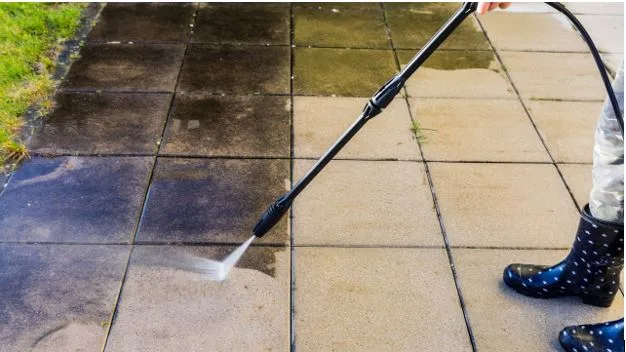
Why Façade Pressure Washing Has Become Essential for Sydney’s Commercial Buildings
Sydney’s climate and urban density put constant pressure on building façades. Between salt carried from the coastline, vehicle emissions, construction dust, and everyday pollution, exterior surfaces degrade much more quickly than most building owners expect. Over time, this accumulation doesn’t just make a building look neglected—it can contribute to structural wear, moisture retention, and costly long-term damage.
This is why façade pressure washing has become a key component of preventative maintenance for commercial towers, strata buildings, and large-scale assets. Regular cleaning restores the exterior, improves building performance, and protects the asset from early deterioration. Many property owners now engage specialist teams capable of handling high-rise environments safely, including rope-access technicians trained in advanced pressure washing methods.
The most effective approach involves using controlled, high-pressure cleaning to remove mould, grime, pollutants, and mineral deposits without damaging exterior surfaces. This method requires a deep understanding of building materials, water flow control, detergents, and height safety—making professional help essential. Sydney businesses increasingly rely on specialised teams such as Limitless Rope Access for this type of work, particularly through their comprehensive service for façade pressure washing in Sydney.
Beyond visual appeal, façade pressure washing plays an important role in asset longevity. Contaminants such as mould, moss, soot, and salt can weaken protective coatings and create micro-damage in materials like concrete, render, metal, and glass. If left untreated, these issues can lead to corrosion, staining, sealant breakdown, and water ingress—problems that are far more expensive to remediate than regular cleaning. A scheduled pressure washing program enables early identification of these risks, helping building managers prioritise proactive repairs rather than reactive fixes.
Another significant advantage of rope-access pressure washing is efficiency. Unlike scaffolding or elevated machinery, rope access allows technicians to move quickly across complex façades, minimising disruption for tenants and reducing the operational footprint. For buildings located in busy commercial districts or with limited ground access, this approach is often the safest and most cost-effective option. It also aligns well with modern sustainability initiatives, as professional teams use targeted water flow and environmentally safe detergents to reduce environmental impact.
Safety is critically important when working on high-rise structures, and this is where trained professionals make the biggest difference. Rope-access technicians use certified systems and follow strict height-safety protocols, ensuring the cleaning process is carried out without risk to workers, pedestrians, or building occupants. Companies that specialise in façade maintenance bring both the technical rigging skills and cleaning expertise needed to handle complex surfaces, architectural features, and hard-to-reach areas. The team at Limitless Rope Access is known for integrating these capabilities into a streamlined service that keeps buildings compliant, presentable, and protected through expert rope-access façade pressure washing.
In today’s commercial environment, property presentation is closely tied to brand image and asset value. Clean exteriors send a strong message about professionalism, safety, and care—factors that influence tenants, customers, and stakeholders long before they walk through the door. As expectations for building aesthetics and performance continue to rise, façade pressure washing has become a strategic investment rather than a discretionary one.
For Sydney property owners seeking reliable, high-quality façade cleaning, Limitless Rope Access provides a proven solution tailored to high-rise and complex structures. Their dedicated service page on professional façade pressure washing offers a clear overview of how building exteriors can be protected, restored, and maintained for long-term performance.