Why Flexible Printed Circuit Technology Is the Future of Electronics Design
Introduction
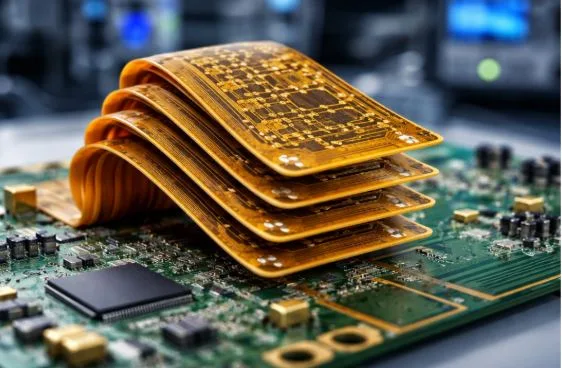
Flexible printed circuit technology is changing how modern electronics are designed and built. It allows circuits to bend, fold, and fit into very small spaces, which is very important for today’s compact devices. This makes it useful in smartphones, wearable devices, medical tools, and automotive systems. Traditional rigid boards cannot provide this level of flexibility, so industries are moving toward advanced solutions. The growing need for smaller and smarter products is pushing engineers to adopt new design methods that improve performance and save space. flexible PCB manufacturer in this field play an important role by producing high-quality circuit boards that meet industry standards. This technology is not just a small improvement but a complete shift in electronics design. It is helping create lighter, faster, and more efficient devices that match modern user needs and future innovations.
Demand for Smaller Electronic Devices
Modern consumers want electronics that are small, light, and powerful at the same time. This demand is driving major changes in circuit design. Engineers are now focusing on solutions that can fit into tight and unusual spaces without reducing performance. Flexible technology helps achieve this goal by allowing better space usage inside devices. It is widely used in foldable phones, smartwatches, and portable gadgets. These devices require advanced internal structures that traditional boards cannot provide. Because of this, manufacturers must focus on precision and quality during production. The electronics industry is moving toward compact designs that combine efficiency with advanced features. As a result, flexible solutions are becoming a key part of modern product development and are expected to grow even more in the coming years.
Improved Strength and Reliability
Durability is one of the most important factors in electronics design. Devices are often exposed to movement, vibration, and heat, which can damage weak components. Flexible circuit technology solves this problem by offering strong resistance to physical stress. It can bend and move without breaking, making it highly reliable for long-term use. This is especially important in industries like automotive, aerospace, and healthcare, where failure is not an option. Better durability also means fewer repairs and longer product life. Engineers prefer this solution because it improves overall system stability and reduces risk. As technology advances, reliability continues to become more important in all types of electronic products. This makes flexible design a strong choice for modern engineering challenges and future development.
Better Design Possibilities for Engineers
One of the biggest advantages in modern electronics is the freedom of design. Engineers are no longer limited to flat and rigid layouts. They can now create curved, folded, and even 3D structures that fit perfectly inside compact devices. This improves space efficiency and allows better placement of components. It also helps reduce product size while improving performance. Designers can experiment with new ideas and create more advanced solutions than before. This level of flexibility is very important for innovation in today’s fast-growing technology world. It allows companies to build smarter products that meet user expectations. As devices become more complex, design flexibility will continue to play a major role in shaping future electronics.
Applications in Modern Industries
Flexible circuit technology is widely used across many industries today. It plays an important role in healthcare devices, automotive systems, aerospace equipment, and consumer electronics. In medical tools, it helps create compact and accurate devices that improve patient care. In vehicles, it supports advanced safety and control systems. Aerospace systems also benefit from lightweight and durable designs. Consumer electronics use this technology in smartphones, cameras, and wearable gadgets. These applications show how important this innovation has become in modern engineering. As industries continue to grow, the need for efficient and space-saving solutions will also increase. This will further drive adoption of flexible design in many new areas.
Better Heat Control and Performance
Heat management is a major challenge in modern electronics. As devices become smaller and more powerful, they generate more heat. If not controlled properly, this can reduce performance and damage components. Flexible design helps improve airflow inside devices, which reduces heat buildup. This leads to better performance and longer device life. It also improves safety by preventing overheating issues. Engineers carefully design systems to balance performance and temperature control. This makes devices more stable and efficient during operation. As technology continues to advance, heat management will remain a key factor in electronics development, making flexible solutions even more valuable.
Future of Electronics Development
The future of electronics is moving toward smarter, smaller, and more efficient devices. Flexible design will play a major role in this transformation. It allows engineers to explore new possibilities such as foldable displays, smart clothing, and advanced medical implants. These innovations are not possible with traditional rigid systems. The industry is expected to grow rapidly as demand for advanced technology increases. Companies will continue to invest in research and development to improve design capabilities. This shift will help create a new generation of electronics that are more powerful and user-friendly. The future clearly depends on innovation, flexibility, and advanced engineering solutions.
Conclusion
Flexible circuit technology is reshaping the electronics industry in a powerful way. It offers better design options, improved durability, and higher efficiency for modern devices. This innovation is helping industries move toward smaller and more advanced products. It is also improving performance and reliability in many applications. As technology continues to evolve, flexible solutions will become even more important in shaping future electronics design.