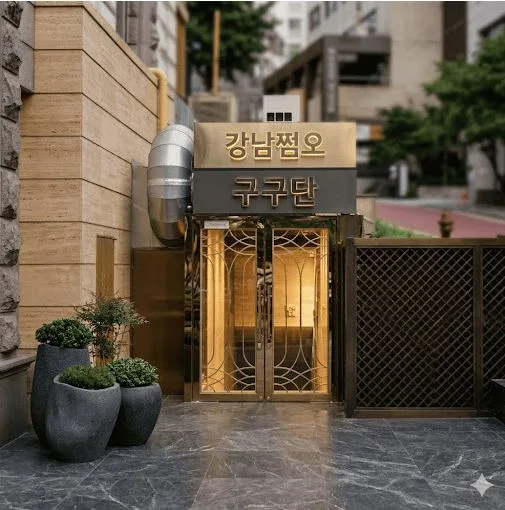
Why Gangnam Karaoke Represents a Premium Side of Korean Nightlife
Gangnam is often described as one of the most influential areas in Seoul, but its importance is beyond its geographic reach. It has become a symbol of modern Korean lifestyles, fast-changing trends, sophisticated entertainment, and high expectations for quality. When people talk about new standards in dining, fashion, beauty, nightlife, and social spaces, Gangnam usually becomes part of those conversations. It is one of the few areas where familiar activities can be turned into more sophisticated experiences, as surrounding cultures require a higher level of detail. That’s why the concept of premium karaoke is closely linked to the region. Gangnam karaoke is not just another version of the standard karaoke room. You can find out more about the Korean nightlife form, which was built on a more complete understanding of what people expect from privacy, comfort, design, atmosphere, and premium social settings. https://www.gugudanlounge.com/
To understand why this matters, it helps to start with karaoke culture in Korea. In many countries, karaoke is associated with open microphones, bar stages, or public performances in front of strangers. Korea developed a different model. Karaoke is commonly enjoyed in private rooms, where small groups can gather, choose songs, talk freely, and enjoy the experience without the pressure of a public audience. This room-based format changed the meaning of karaoke. It became less about performance and more about shared time. Friends could relax after dinner, coworkers could continue a social evening after work, couples could spend time together in a more private environment, and visitors could enjoy Korean nightlife in a format that felt both accessible and intimate. This cultural foundation is important because Gangnam karaoke is built on the same structure, but the overall execution is more sophisticated.
A standard karaoke venue usually focuses on the basics. It provides a room, microphones, screens, a catalogue of songs, and seating. That basic model still serves its purpose well, and it remains a familiar part of everyday social life across Korea. Premium karaoke in Gangnam, however, takes that familiar structure and reinterprets it. The room is no longer just a place to sing. It becomes part of a larger lifestyle experience. The visual tone of the interior matters. The sound quality matters. The comfort of the seating matters. The room layout matters. Lighting, privacy, cleanliness, service flow, and the overall emotional tone of the space all become part of what the guest is actually choosing. This is why Gangnam karaoke is best understood not as a simple entertainment venue, but as a premium social environment where music is only one part of the appeal.
One of the strongest advantages of Gangnam karaoke is privacy. In a dense city environment, privacy can be one of the most valuable qualities a leisure space offers. Many people do not want a nightlife experience that feels overly public, chaotic, or exposed. They want a place where they can speak comfortably, sing without pressure, and share time with their group in a controlled setting. The private-room format naturally supports that need, but premium karaoke in Gangnam tends to amplify it. The sense of separation from outside noise, the ability to manage the mood within the room, and the feeling of having a space designed for the group rather than the crowd all contribute to a different kind of value. For many people, this is the real luxury. It is not about excess. It is about having an environment that feels self-contained, polished, and socially comfortable.
The atmosphere is another major reason why Gangnam’s premium karaoke rooms stand out. In a standard entertainment environment, the atmosphere can be treated as a secondary detail. In a premium environment, the atmosphere is centred. A well-designed room changes people’s mood before the first song starts. Balance of light can make the space feel calm without making it rough. Room ratios can make it feel like a conversation naturally, without being awkward. Acoustic stability can make music enjoyable without overwhelming it. Even small details, such as table spacing, surface quality, and visual consistency, contribute to the overall impression. If these factors are done well, the experience feels soft and intentional. People are not just using rooms. They are entering an environment designed to support certain types of moods. This is one of the reasons why many people seeking a more sophisticated nightlife experience consider it a separate category rather than just an entertainment option.
The service dimension is equally important. Premium spaces are often defined not by dramatic gestures, but by consistency. Guests notice whether the room is prepared properly. They notice whether the equipment functions without interruption. They notice whether the space feels maintained rather than neglected. They notice whether the overall process feels smooth from entry to exit. These details may not sound glamorous, but they shape the experience more than many people realize. In a district like Gangnam, where consumers are familiar with higher standards in retail, hospitality, and dining, poor execution becomes immediately visible. A premium karaoke environment must therefore meet expectations not only in appearance, but also in reliability. This combination of aesthetics and operational quality is part of what gives Gangnam karaoke its premium identity.
The identity of Gangnam itself also matters. Gangnam is not just popular because it is well known. It is influential because it often reflects how urban consumer culture changes in Korea. The district has become associated with refined social presentation, current trends, image awareness, and more selective lifestyle choices. This does not mean everything in Gangnam is extravagant or inaccessible. It means that ordinary activities are often expected to feel more complete, more curated, and more intentional. A simple meal is expected to come with atmosphere. A lounge is expected to provide a mood, not only a seat. Entertainment is expected to feel thought through rather than improvised. In that context, karaoke naturally evolves as well. The premium version that develops in Gangnam reflects the same local expectation that familiar experiences should be elevated through design, service, and environmental quality.
This distinction also helps international readers understand why the phrase Gangnam karaoke carries a different meaning from generic karaoke. In many markets, karaoke is still imagined as a highly public activity. People picture a stage, an audience, and a spontaneous performance. In Korea, the room-based model has already changed the social function of karaoke. In Gangnam, the premium version changes it further by placing more value on the environment, comfort, and discretion. The focus is not on impressing strangers. It is about enjoying time with the people already in the room. That shift makes the experience attractive to a much wider audience. A person does not have to be a strong singer to appreciate the setting. In many cases, the appeal comes more from the private atmosphere and the quality of the space than from the act of singing itself.
Another important concept is that premium does not necessarily mean louder, larger, or more decorative. In fact, some of the best premium experiences are defined by restraint. A room that feels balanced, comfortable, and carefully maintained can create a stronger impression than a room that relies on excessive visual elements. Stable acoustics, good room flow, comfortable seating, appropriate lighting, and a sense of cleanliness often matter more than dramatic styling alone. This is where Gangnam karaoke often separates itself from more ordinary venues. The premium standard comes from how well the overall experience is composed. It is not just about adding features. It is about improving the quality of what already exists and making the environment feel intentional from beginning to end.
The social flexibility of premium karaoke is another reason it continues to grow in relevance. A well-designed room can serve many types of gatherings. It can support a relaxed evening among friends, a private celebration, an after-dinner continuation of conversation, or a more carefully planned nightlife schedule. Because the setting is private and adaptable, it can fit different social moods without forcing everyone into the same format. This flexibility is especially valuable in Gangnam, where nightlife often intersects with business culture, image-conscious leisure, and curated group experiences. People may want a setting that feels stylish without being too public, lively without being chaotic, and comfortable without feeling overly casual. Premium karaoke answers that demand by sitting between entertainment and hospitality.
There is also a broader cultural lesson in the popularity of this format. Modern consumers increasingly choose places based not only on function, but on how the entire experience feels. They are often less interested in simple utility and more interested in atmosphere, comfort, privacy, and emotional quality. This is true across many sectors, from cafes and restaurants to hotels and lounges. Premium karaoke in Gangnam fits this wider trend. It transforms a familiar leisure activity into something that feels more thoughtful and experience-driven. Instead of offering only a place to sing, it offers a place to spend time well. That distinction is important because it reflects the broader direction of urban leisure culture in Korea.
Gangnam karaoke also illustrates how Korean social traditions can evolve without losing their original identity. The core structure remains recognizable. People still gather in a room, browse songs, sing together, laugh, and share the experience as a group. What changes is the standard surrounding that activity. In Gangnam, the room becomes more carefully designed. The atmosphere becomes more polished. The service becomes more deliberate. The result is not a completely different activity, but a more refined expression of the same cultural habit. This is one reason the concept feels authentic rather than artificial. It grows naturally from Korean room-based nightlife culture while adapting to a district known for faster-moving tastes and stronger premium expectations.
From a lifestyle perspective, this is what makes the concept especially interesting. It shows how a familiar and accessible part of Korean culture can be upgraded in a way that still feels culturally grounded. Premium karaoke in Gangnam is not simply about status or display. At its best, it is about improving comfort, preserving privacy, enhancing mood, and making social time feel more intentional. That is why it appeals not only to visitors seeking novelty, but also to local consumers who already understand the difference between a functional venue and a well-composed experience.
In the end, Gangnam karaoke can be defined as a premium expression of Korean room-based nightlife shaped by one of Seoul’s most trend-sensitive districts. Its key strengths include privacy, atmosphere, design quality, service consistency, and social flexibility. It is not merely a more expensive version of standard karaoke, and it is not defined only by appearance. It is a distinct category of experience that reflects the pace, expectations, and cultural style of Gangnam itself. For anyone interested in how Korean nightlife continues to evolve, premium karaoke in Gangnam offers a clear example of how everyday entertainment can become more refined, more comfortable, and more meaningful without losing the social warmth that made it popular in the first place cultural format.